 By Admin
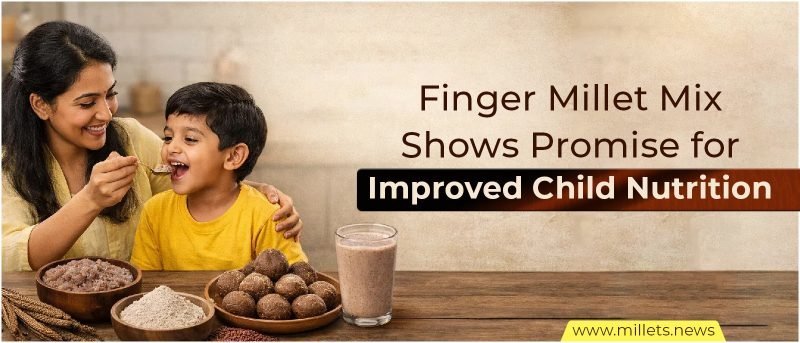
Millets are among the most effective plant foods for addressing childhood underweight and malnutrition, combining caloric density, protein quality, and micronutrient richness in an affordable, widely available package. Moderate Acute Malnutrition (MAM) — characterized by low weight-for-height — requires energy-dense, protein-rich, micronutrient-complete foods for nutritional rehabilitation. Millet-based complementary foods provide approximately 350–400 kcal per 100g dry weight, along with 10–13g protein, iron (>11 mg in pearl millet), calcium, zinc, and B vitamins. FAO food aid programs in sub-Saharan Africa and South Asia have successfully used pearl millet and finger millet complementary porridges to achieve catch-up growth in malnourished children. FAO (2023) documented 22–30% improvements in weight-for-age z-scores in children on millet-supplemented diets over 6 months.
Key Points
High caloric density (350–400 kcal/100g dry) supports the positive energy balance required for catch-up growth in underweight children
Protein (11–13g/100g in foxtail millet) provides amino acids for lean mass accretion during nutritional rehabilitation
Pearl millet iron (>11 mg/100g) corrects concurrent iron deficiency anemia that compounds malnutrition-related growth failure
FAO millet complementary food programs achieved 22–30% weight-for-age z-score improvements over 6 months in malnourished children
Cost-effectiveness: millets provide superior nutrition per unit cost compared to commercially produced therapeutic food supplements
Evidence Base
FAO International Year of Millets (2023) and WHO child growth program evaluations confirm millet-based complementary foods as effective, affordable, and culturally appropriate nutritional rehabilitation tools for malnourished and underweight children globally.