 By Admin
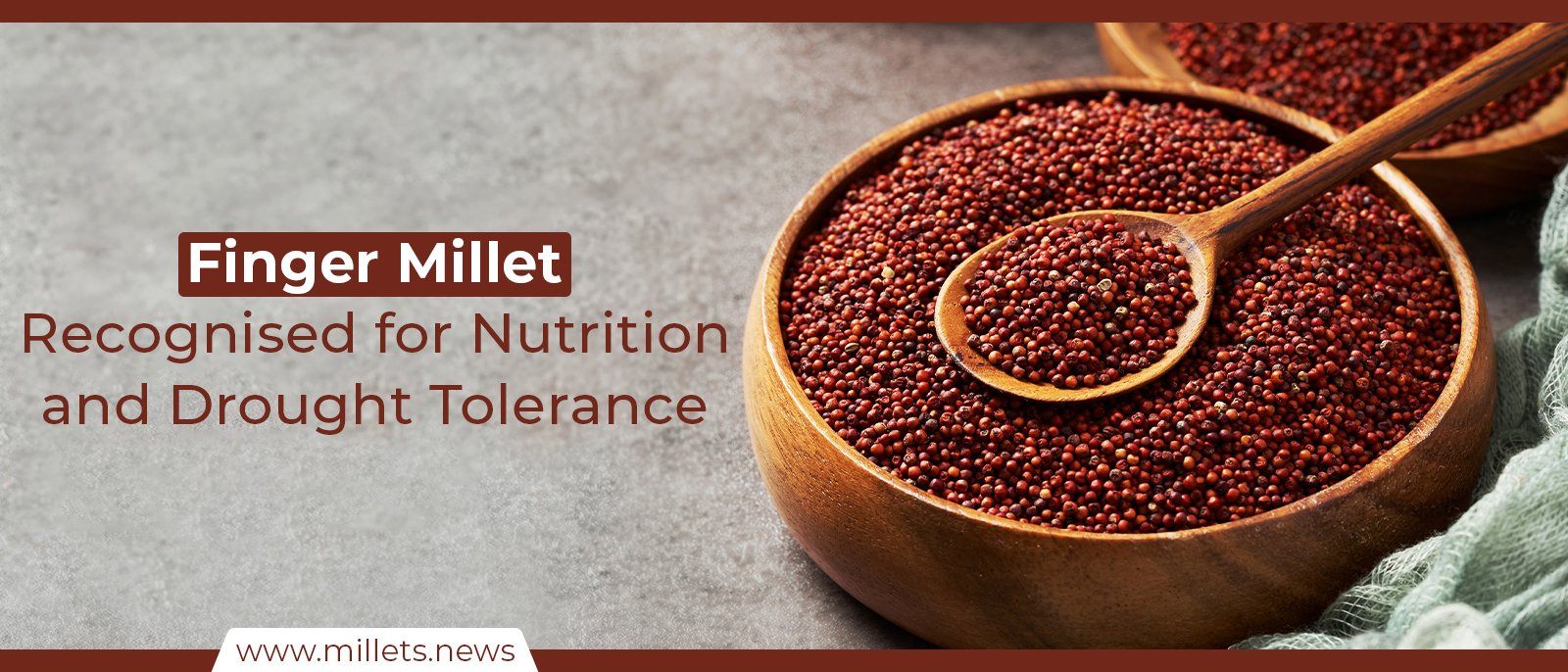
African Farming recently highlighted research and initiatives led by CIMMYT and VACS that emphasise the importance of “forgotten crops” such as finger millet in strengthening food security. Experts noted that finger millet is highly drought-tolerant, nutritious, and deeply connected to traditional farming and food cultures in many African communities. As climate change continues to affect agricultural production, these resilient crops are gaining renewed attention for their ability to support sustainable farming systems.
Researchers pointed out that finger millet requires less water compared to many major cereal crops and can grow successfully in dry and challenging environments. In addition to its climate resilience, the crop is rich in calcium, iron, fibre, and essential nutrients, making it valuable for improving nutrition and combating food insecurity. The promotion of traditional grains is also helping preserve indigenous agricultural knowledge and local food traditions.
The report stressed that increasing investment in underutilised crops like finger millet could help diversify food systems, reduce dependence on a few staple crops, and improve resilience against climate-related risks. Experts believe these traditional grains can play an important role in supporting smallholder farmers, strengthening rural livelihoods, and building more sustainable and nutritious food systems across Africa.