 By Admin
India’s food processing sector is witnessing major growth through the Production Linked Incentive (PLI) Scheme, which is helping the country move from ensuring food security to becoming a global leader in value-added food products. The scheme has encouraged investments in modern food processing, improved manufacturing infrastructure, and strengthened the supply chain for processed foods. It has also opened new opportunities for farmers, food entrepreneurs, and agri-based industries across the country.
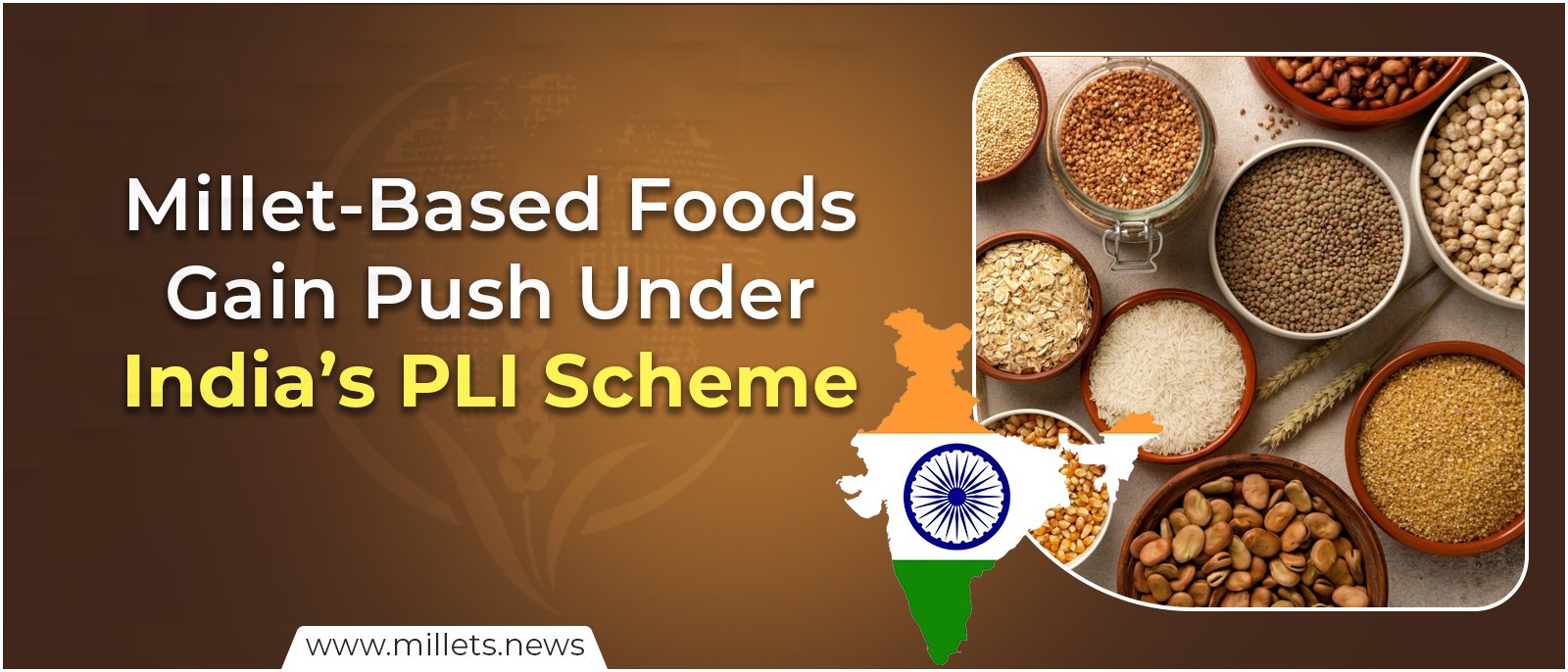
The PLI scheme has played an important role in promoting innovative and nutritious food products, including millet-based foods, ready-to-eat meals, organic products, and fortified foods. By supporting companies that focus on value addition and exports, the initiative is helping Indian food brands expand into international markets. The growing demand for healthy and sustainable food products has further increased interest in traditional grains such as millets, which are now being used in snacks, bakery items, breakfast foods, and health-focused products.
Experts believe the scheme is also contributing to rural development and employment generation by creating stronger market linkages between farmers and food processing industries. Investments in processing facilities, cold storage, packaging, and logistics are reducing post-harvest losses while increasing income opportunities for agricultural communities. Small and medium enterprises are also benefiting from better access to technology, infrastructure, and organised markets.
The transformation of India’s food processing sector is expected to strengthen the country’s position in the global food economy. Industry leaders say continued focus on innovation, sustainability, and nutrition can help India emerge as a major supplier of high-quality processed foods worldwide. With increasing emphasis on millets, traditional crops, and healthy eating, the sector is moving towards a future that combines economic growth with better nutrition and sustainable agriculture.