 By Admin
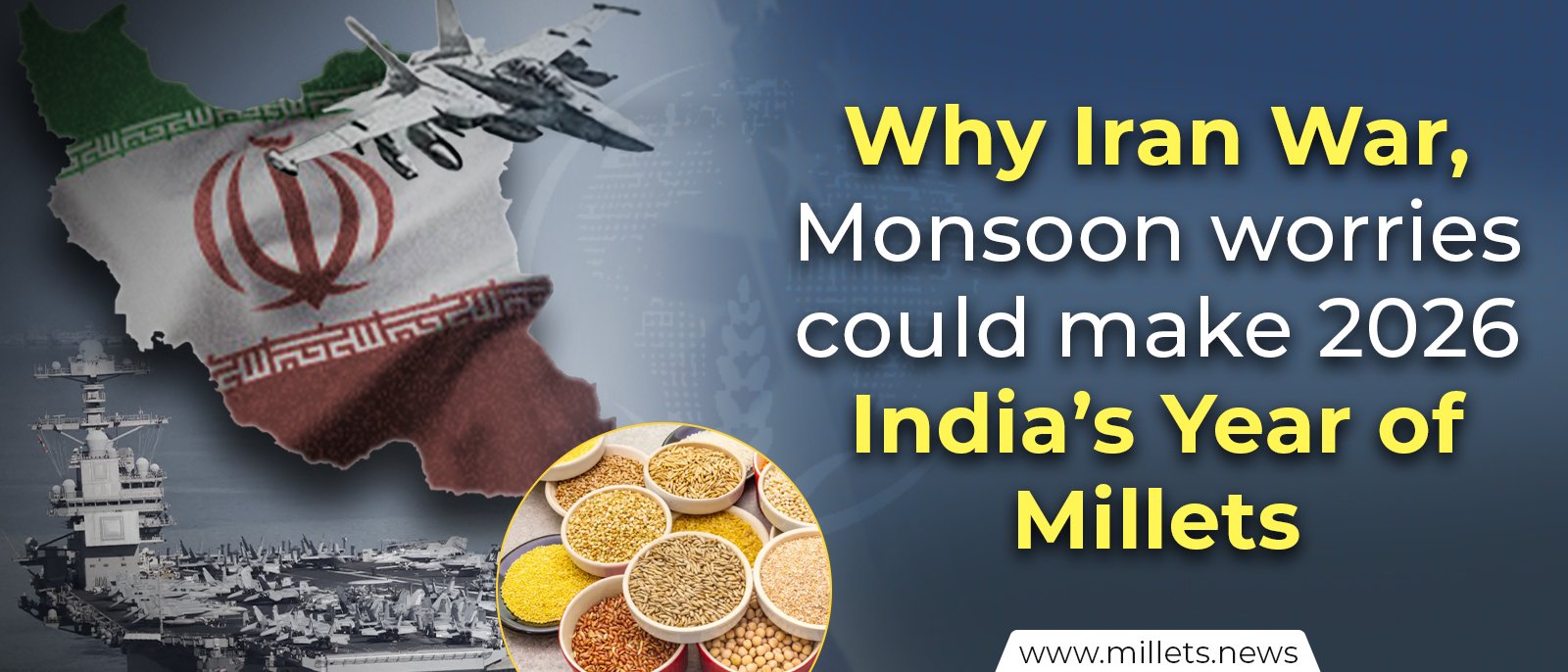
Rising tensions linked to the Iran conflict and concerns over a below-normal monsoon are expected to significantly influence India’s agricultural landscape during the 2026 kharif season. Disruptions around the Strait of Hormuz have affected global energy and fertilizer supply chains, leading to sharp increases in the prices of key agricultural inputs such as urea and DAP.
India, which depends heavily on Gulf countries for LNG imports used in fertilizer production, has also witnessed a decline in domestic urea output due to feedstock shortages. At the same time, the India Meteorological Department has forecast a weaker monsoon influenced by expected El Niño conditions, raising concerns for rain-fed agriculture across the country.
These combined pressures are encouraging farmers, particularly in Northwest India, to shift away from input-intensive crops like cotton, rice, and maize toward more climate-resilient alternatives such as millets and pulses. Bajra, or pearl millet, is emerging as a preferred crop because it requires minimal irrigation, fewer fertilizers, and lower production costs while offering shorter crop duration and greater resilience under dry conditions. Farmers in states like Haryana, Punjab, and Rajasthan are increasingly adopting millet cultivation as cotton yields continue to suffer from pest attacks, rising labour costs, and higher input expenses.
Government initiatives are also supporting this transition through schemes such as the Shree Anna Mission, higher MSP for bajra, and the inclusion of millets in food distribution and nutrition programmes. Experts believe that millets not only support sustainable agriculture and food security but also provide important nutritional benefits due to their rich iron, zinc, and fibre content. With increasing policy support, rising awareness, and growing climate challenges, 2026 is being viewed as a potentially important year for the expansion of millet cultivation in India.