 Millets National Media Portal
Millets National Media Portal
Millets National Media Portal
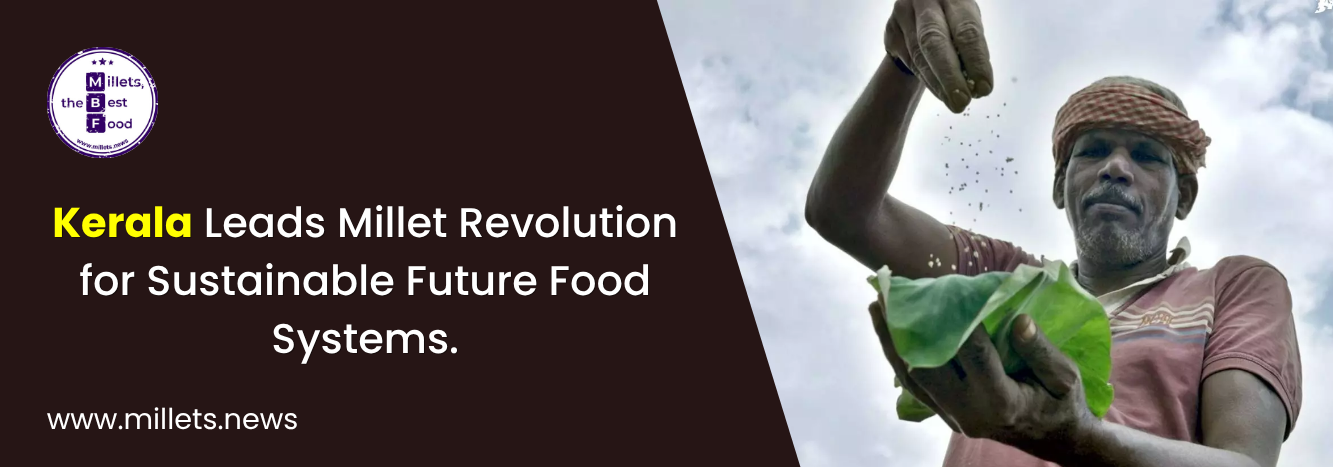
Kerala’s ambitious millet project is emerging as a transformative initiative that aims to reshape the future of sustainable agriculture, food security, and nutritional well-being in India. Rooted in the forest regions and tribal farmlands of the state, the project is reviving traditional millet cultivation while creating a bridge between indigenous farming knowledge and modern food systems. Once considered forgotten grains, millets are now gaining renewed importance due to their exceptional nutritional value, climate resilience, and ability to thrive in low-input farming environments. Kerala’s millet movement is not only restoring traditional agricultural practices but also positioning these ancient grains as a vital part of the future food ecosystem. The initiative reflects a broader vision of bringing millets from forest fields to urban dining plates, creating sustainable value chains that benefit both farmers and consumers.
In regions such as Attappadi and other tribal belts of Kerala, millet cultivation has witnessed remarkable growth over recent years. The state government, along with agriculture and tribal development departments, has actively supported farmers through training, subsidies, seed distribution, and technical assistance. This has encouraged tribal communities to return to millet cultivation, a practice deeply rooted in their heritage and traditional lifestyle. Farmers are increasingly adopting millet farming due to its low water requirement, natural resistance to pests, and ability to perform well under changing climatic conditions. As climate change continues to challenge conventional agriculture, millets are being recognized as resilient crops capable of supporting sustainable farming while conserving natural resources such as water and soil.
The project also emphasizes value addition, processing, and market development to ensure better economic returns for farmers. Millet-based foods such as porridge, dosa, puttu, snacks, flour mixes, and ready-to-cook products are gaining popularity among health-conscious consumers. This growing demand is creating fresh opportunities for food entrepreneurs, processors, and farmer collectives across Kerala. By integrating cultivation with processing and branding, the millet ecosystem is expanding beyond farming into a complete agribusiness model. Millet cafes and retail outlets are also helping promote millet consumption by making nutritious millet-based foods accessible to urban consumers. These initiatives are gradually changing consumer perception, positioning millets as premium health foods rather than traditional subsistence crops.
Kerala’s millet project represents more than an agricultural revival; it is a model for sustainable development that supports tribal livelihoods, biodiversity conservation, and nutritional security. By preserving indigenous crop diversity and promoting eco-friendly farming systems, the initiative contributes to long-term environmental sustainability while generating income opportunities for rural communities. As India continues to promote millets on national and global platforms, Kerala’s innovative approach demonstrates how traditional crops can become powerful drivers of future food security. The project stands as an inspiring example of how ancient grains can help build resilient farming systems and healthier food choices for generations to come.
© 2023 - 2026 Millets News. All rights reserved.

