 By Admin
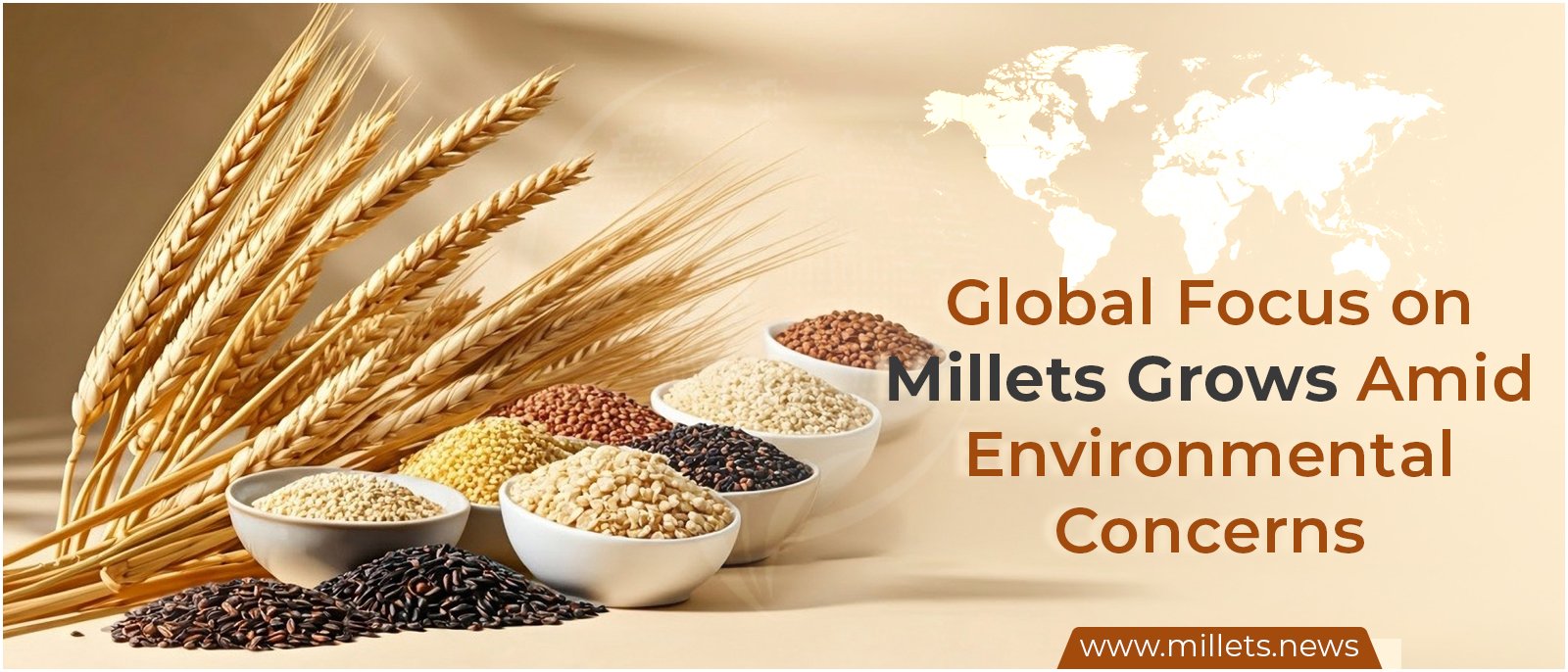
Millets are steadily gaining global attention as sustainable grains capable of supporting food security and climate-resilient agriculture. As countries face increasing environmental challenges such as droughts, water shortages, and rising temperatures, these traditional grains are being recognized for their ability to grow in harsh conditions with minimal water and fewer agricultural inputs. Their adaptability makes them an important crop for the future of sustainable farming.
In recent years, millets have moved beyond their image as traditional staple foods and are now valued for both their nutritional richness and environmental benefits. They are packed with dietary fiber, protein, essential minerals, and antioxidants that contribute to healthier eating habits. Growing awareness about nutrition and eco-friendly food systems has encouraged several countries, including India, China, and nations in Africa, to promote millet cultivation and consumption more actively.
Agricultural experts believe that expanding millet production can help strengthen food systems, support small farmers, and reduce pressure on natural resources. Global initiatives promoting millets have also highlighted the importance of indigenous crops and traditional agricultural knowledge in building resilient and sustainable food systems for future generations.