 By Admin
Community nutrition programmes in Jigawa State, Nigeria, are demonstrating how locally available staples such as millet and sorghum can become part of practical strategies to improve household diets and address persistent child malnutrition.
The interventions are operating in rural communities where nutritious and diverse diets can be difficult for families to access consistently. In Kyaurawa, residents described millet, guinea corn—commonly known as sorghum—and maize as familiar components of evening meals. Nutrition programmes are now helping households make better use of these locally available foods.
The challenge remains substantial. According to the 2023–24 Nigeria Demographic and Health Survey figures cited in the report, 56% of children in Jigawa are stunted, compared with a national average of 30.8%. The state figure has nevertheless improved from 64% recorded in 2018.
One programme highlighted in the report connects agriculture directly with household nutrition through the Advancing Local Dairy Development in Nigeria project.
The initiative worked with 6,030 dairy-farming households and 7,361 non-dairy farming households across several difficult-to-reach communities. Women represented thousands of the beneficiaries, making household nutrition and women's participation important components of the programme.
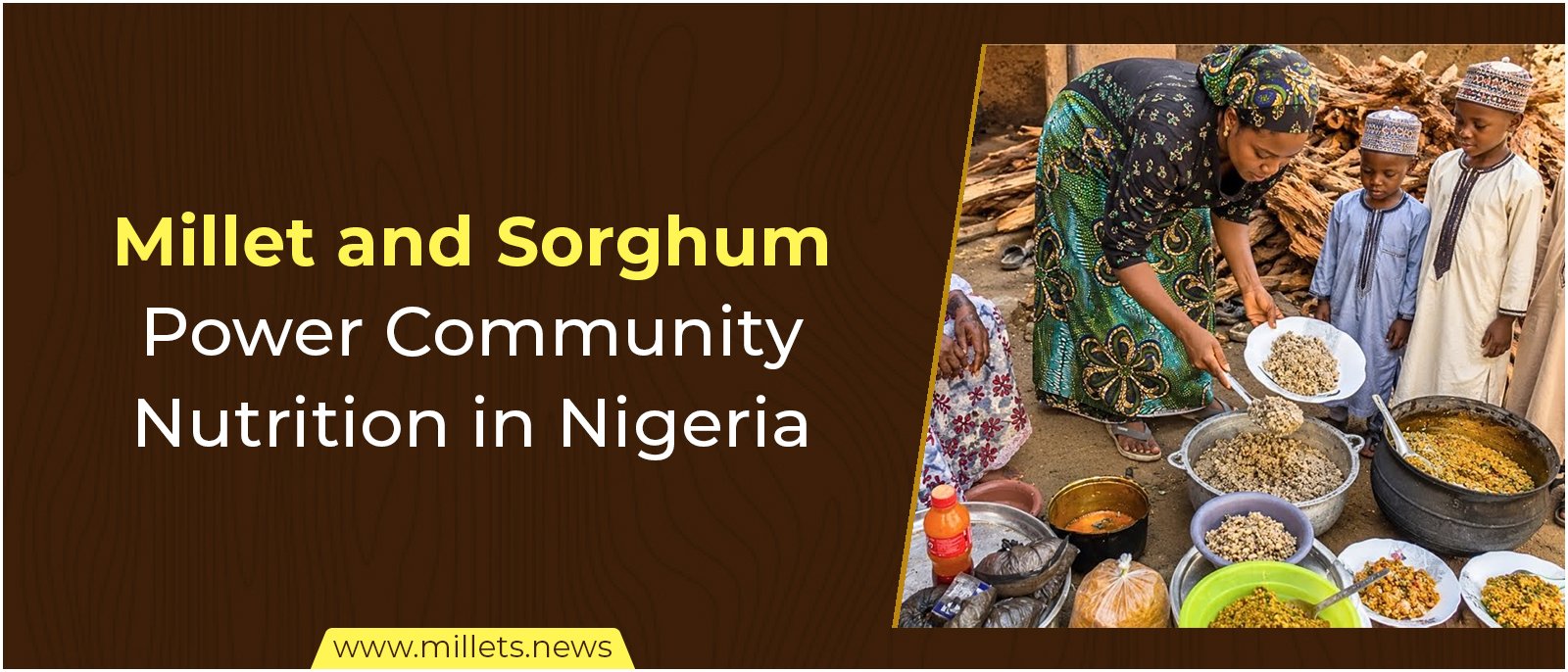
A particularly relevant component for the millet sector involves practical cooking demonstrations. Families bring ingredients already available in their homes—including millet, sorghum, moringa and beans—and facilitators demonstrate ways of combining them to improve the nutritional quality of meals for women and children.
This approach is significant because it does not depend entirely on introducing unfamiliar or expensive foods. Instead, it helps households obtain greater nutritional value from crops and ingredients that are already embedded within local agricultural and dietary systems.
The programme has also promoted homestead vegetable gardens to improve dietary diversity. Participating households received seedlings for crops including tomatoes, carrots and moringa, alongside practical guidance on backyard cultivation. Some families consume the vegetables themselves, while others sell part of their harvest for additional income.
Agriculture and nutrition interventions extend to livestock as well. Communities received guidance on improved animal feeding, milk production, preservation and processing. Residents reported improvements in livestock productivity, while better milk handling helped reduce losses and generate household income.
The wider nutrition response includes community volunteers who screen children for malnutrition, conduct food demonstrations and refer severe cases to health facilities. Health centres also provide treatment through Nigeria's Community Management of Acute Malnutrition programme.
In Jahun Local Government Area, an official reported that severe acute malnutrition cases had fallen by approximately 75% following nutrition interventions, although services continue to depend substantially on government and development-partner support. The figure refers specifically to Jahun and should not be interpreted as a statewide reduction.
For the millet sector, Jigawa provides an important example of how traditional cereals can contribute to nutrition strategies when combined with dietary diversity, nutrition education, vegetables, pulses, dairy and healthcare interventions.
Millet and sorghum alone cannot solve malnutrition. But when these familiar grains are incorporated intelligently into diversified diets, they can become valuable components of locally grounded food and nutrition programmes.