 By Admin
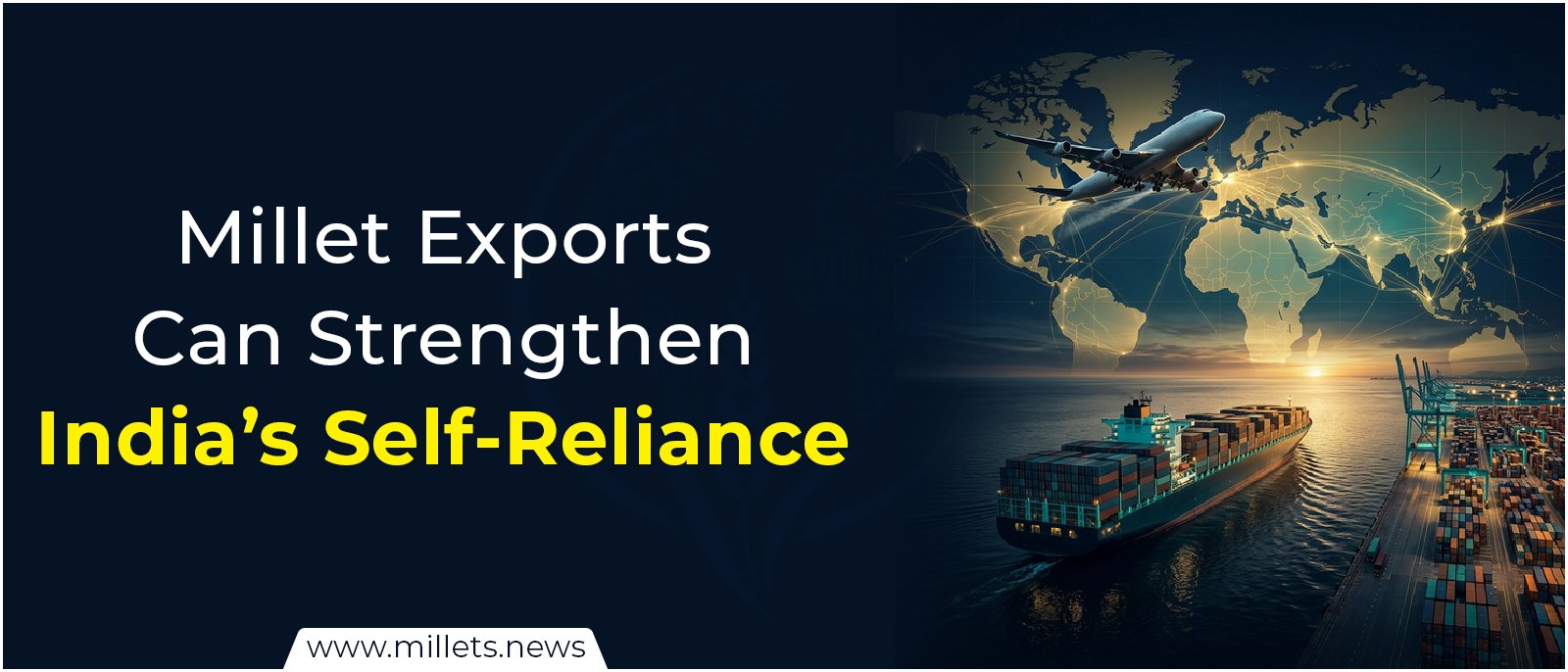
India’s millet sector could assume a larger role in the country’s pursuit of economic self-reliance as expanding trade agreements create new possibilities for agricultural exports. Experts discussing India’s development priorities have highlighted millets as crops with potential to serve both domestic consumers and increasingly diversified international markets.
The discussion followed Prime Minister Narendra Modi’s Independence Day address and examined several dimensions of national self-reliance, including indigenous defence manufacturing, agricultural exports and energy diversification. Within agriculture, millets emerged as one of the products considered capable of generating additional value through international trade.
Aditya Sesh, identified in the report as a member of the Ministry of Agriculture and Farmers’ Welfare, said India’s expanding network of free trade agreements could create greater opportunities for agricultural commodities, particularly millets. Improved market access could therefore become an important component of building a stronger millet export ecosystem.
Millets carry several characteristics that could strengthen their international positioning. The article highlights their comparatively lower water requirements, nutritional attributes and longer shelf life, qualities that can support their appeal within markets increasingly interested in nutritious and resource-efficient food ingredients.
The opportunity extends beyond exporting millet simply as grain. Sesh specifically pointed toward value-added applications such as cereal bars, suggesting that domestic production could potentially replace some imported products while also creating export possibilities. This value-addition approach could allow India's millet industry to capture more economic value from processing and product development.
The report also points to strengthening market acceptance. Sesh said millet prices had increased by approximately 15% to 25% during the year, interpreting the movement as evidence of growing acceptance. The figure should be treated as an expert statement reported by IANS rather than a comprehensive national millet-price index, since individual millet crops can follow different price trends.
For farmers, greater export opportunities could become more meaningful when combined with mechanisms that improve value realisation. The discussion highlighted Geographical Indication tags and the One District One Product initiative as approaches that could strengthen product identity and help agricultural producers capture greater value.
Maharashtra was specifically highlighted because its varied agro-climatic conditions support production across foodgrains, fruits and vegetables. Developing regionally distinctive agricultural products alongside processing and stronger market connections could contribute to broader rural economic opportunities.
For India's millet industry, the larger message is that self-reliance does not necessarily mean focusing exclusively on domestic consumption. A resilient millet economy can simultaneously serve Indian consumers, substitute selected imports, develop value-added products and compete in international markets.
The opportunity will ultimately depend on converting millet awareness into commercially competitive value chains. Quality standards, reliable supply, processing capabilities, export-ready products and international market access will be critical if India is to translate its strong millet identity into sustained global trade opportunities.