 Millets National Media Portal
Millets National Media Portal
Millets National Media Portal
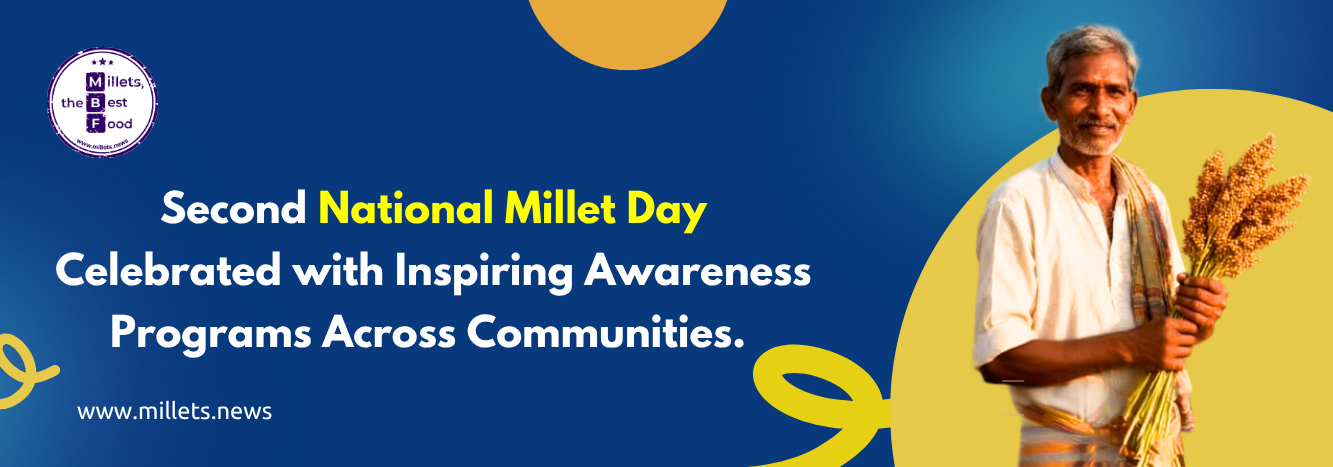
The Second National Millet Day is being celebrated across Nepal with a series of awareness programs aimed at promoting millet cultivation, improving nutrition, and encouraging sustainable agriculture. Observed annually on Saun 16, National Millet Day was officially established following a decision by the Council of Ministers in 2081 BS, based on a proposal from the Ministry of Agriculture and Livestock Development. The celebration highlights the growing importance of millets in strengthening food security, supporting farmers, and promoting healthy dietary habits throughout the country.
The recognition of National Millet Day follows years of advocacy by agricultural organizations, including the National Farmers' Group Federation, which had celebrated Millet Day for five consecutive years before the government's official declaration. The initiative also aligns with the United Nations' declaration of 2023 as the International Year of Millets, which brought global attention to the nutritional, environmental, and economic value of these ancient grains. The efforts of former Agriculture Minister Ramnath Adhikari played a significant role in establishing this important national observance.
Agricultural experts emphasize that millet is one of the most climate-resilient crops, requiring minimal water, pesticides, and chemical fertilizers compared to many other grains. It grows well in diverse climatic conditions and can be stored safely for extended periods without significant loss of quality. Scientists believe that increasing millet cultivation can help Nepal reduce food insecurity, strengthen agricultural sustainability, and decrease dependence on imported grains. They also encourage local communities to utilize vacant land for millet farming as part of a nationwide awareness campaign.
Health experts continue to promote millet as a nutrient-rich superfood that can play a vital role in reducing malnutrition, particularly among children. Rich in dietary fiber, essential minerals, protein, and antioxidants, millets support better digestion, heart health, blood sugar management, and overall wellness. Officials from the Ministry of Agriculture have highlighted the importance of expanding millet production to address nutritional challenges while supporting healthier food choices for future generations.
Despite Nepal's strong millet-growing potential, the country has witnessed a significant rise in millet imports over recent years. Government statistics show that millet imports have increased substantially, underscoring the need to strengthen domestic production and improve market opportunities for local farmers. Encouraging local cultivation can boost rural incomes, preserve traditional farming practices, and reduce reliance on imported agricultural products.
As part of the Second National Millet Day celebrations, the Department of Agriculture organized special awareness programs in Sindhupalchok, one of Nepal's leading millet-producing districts. These initiatives aim to educate farmers, consumers, students, and communities about the economic, environmental, and health benefits of millet cultivation. The celebration reflects Nepal's commitment to building a healthier population, empowering farmers, promoting sustainable agriculture, and ensuring long-term food security through the revival and expansion of millet farming.
© 2023 - 2026 Millets News. All rights reserved.

