 By Admin
Long before “superfoods” became a global wellness trend, Indian households regularly relied on simple, locally available ingredients such as bajra, pulses and sattu. A News18 feature has brought renewed attention to these traditional foods and the nutritional wisdom embedded in earlier generations' everyday diets.
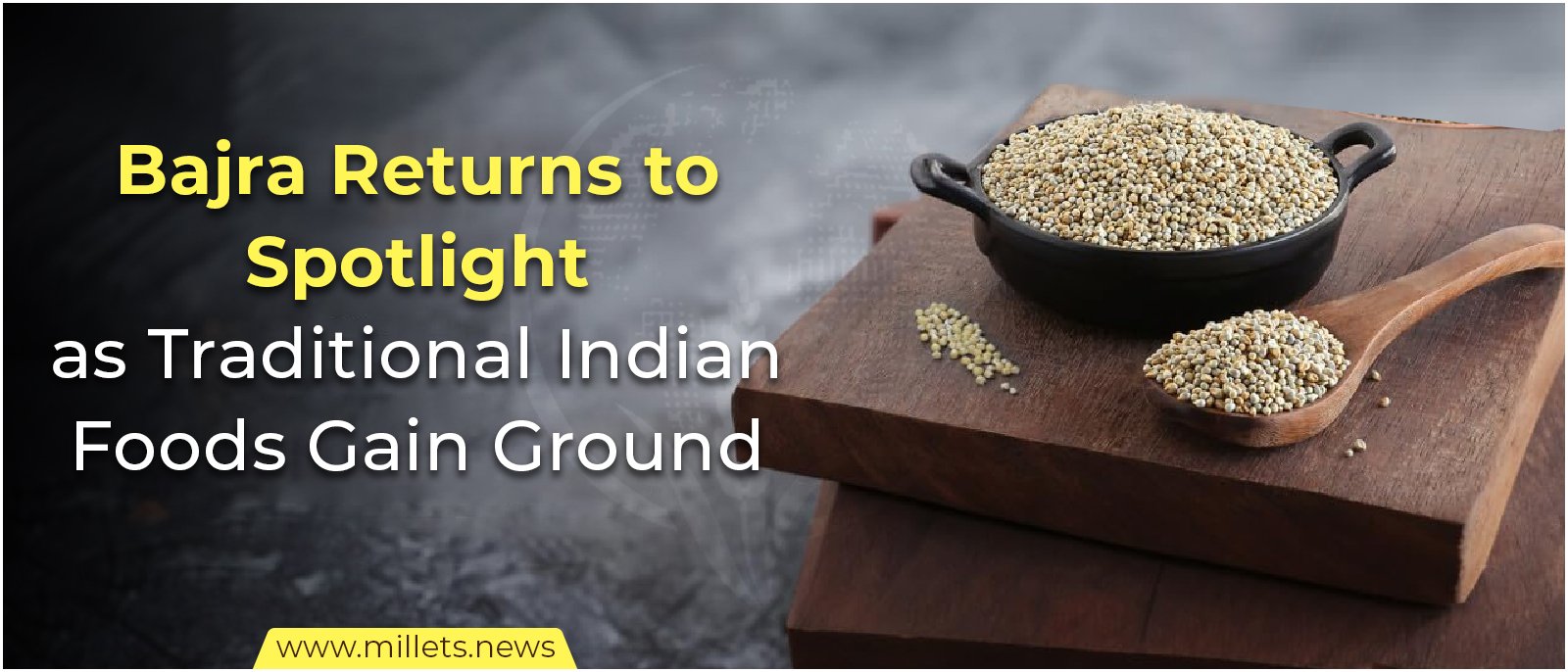
Among these foods, bajra or pearl millet holds particular relevance. For generations, it has been incorporated into regional Indian diets through rotis and other traditional preparations, especially in areas where millet cultivation is closely adapted to local agricultural conditions.
The renewed interest in such foods reflects a broader shift in the nutrition conversation. Consumers are increasingly looking beyond highly marketed ingredients and reconsidering traditional grains, pulses and minimally processed foods that have long formed part of regional cuisines.
Bajra's significance goes beyond nostalgia. Pearl millet provides important nutrients and dietary fibre and can contribute to diversified diets when consumed as part of an appropriately balanced food pattern.
Traditional diets also tended to combine cereals with other food groups rather than relying on a single ingredient. Pairing grains such as bajra with pulses, vegetables, dairy products and other locally available foods can create nutritionally diverse meals while preserving regional culinary traditions.
Sattu represents another example of an established Indian food now fitting comfortably into contemporary discussions around convenient nutrition. Traditionally prepared from roasted gram and sometimes other grains, it demonstrates that convenient foods do not necessarily have to originate from heavily processed modern formulations.
Dal similarly remains central to Indian dietary patterns, particularly as a source of plant-based protein. Together, foods such as dal, bajra and sattu illustrate how traditional food systems combined different ingredients according to geography, seasonality, affordability and cultural preference.
For the millet industry, renewed consumer attention toward heritage foods represents an important opportunity. Millet does not necessarily need to be positioned solely as a newly discovered health product. Its strongest identity may instead come from combining traditional credibility with contemporary convenience.
Modern millet products—from ready-to-cook mixes and breakfast foods to bakery products and snacks—can make traditional grains accessible to consumers with changing lifestyles. However, preserving nutritional quality while adapting these grains into convenient formats remains important.
The growing global conversation around indigenous grains also provides an opportunity to reconsider what qualifies as a “superfood.” Many nutritious foods celebrated internationally today have equivalents within longstanding regional food cultures.
Bajra's resurgence therefore represents something larger than another nutrition trend. It demonstrates how traditional food knowledge can find contemporary relevance without losing its cultural identity.
For India's millet ecosystem, this renewed appreciation could help move pearl millet from being perceived simply as an old-fashioned staple toward recognition as a versatile grain capable of serving both traditional and modern diets.