 By Admin
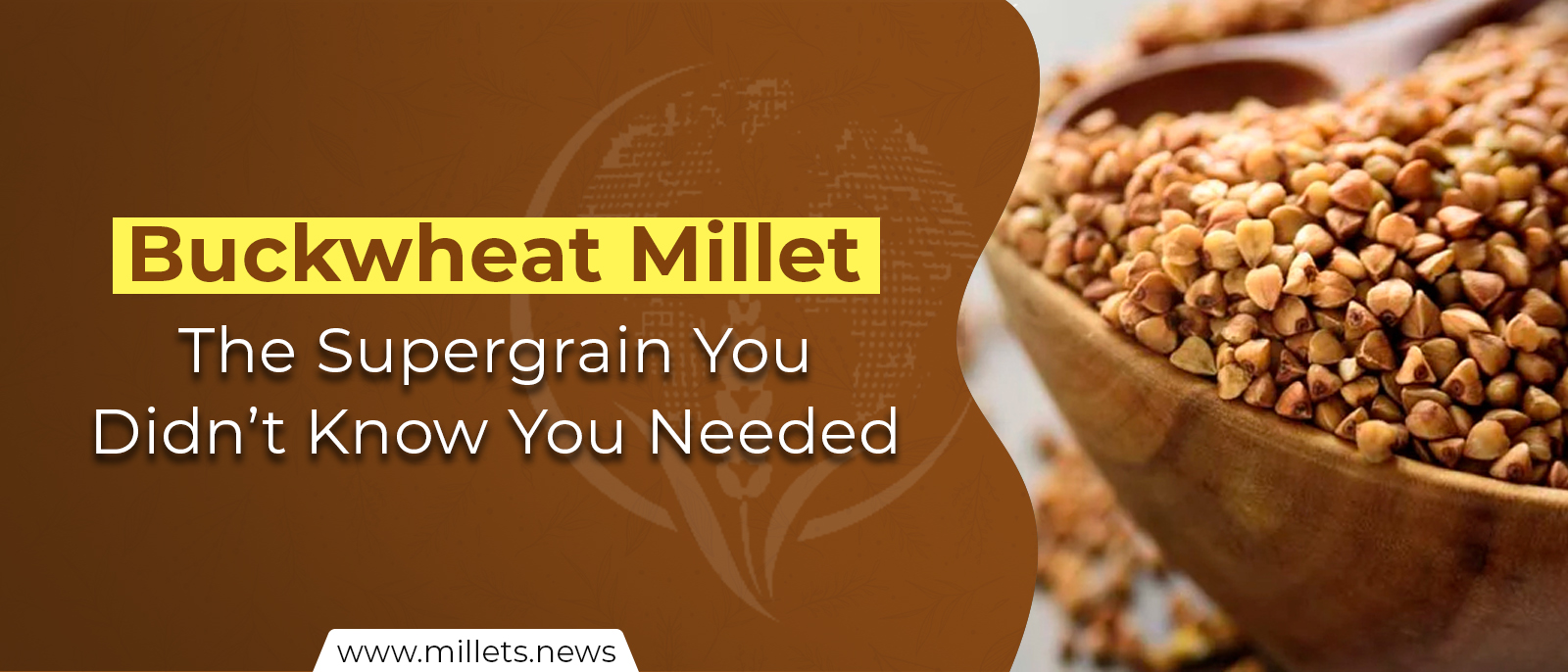
When it comes to healthy eating, superfoods like quinoa and chia often steal the spotlight. But there's a humble, hearty grain that deserves your attention—buckwheat millet. Despite its name, buckwheat isn’t actually a type of wheat, nor is it a true cereal grain. It’s a gluten-free seed that behaves like a grain and packs a serious nutritional punch.
Let’s explore the top benefits of buckwheat millet and why you should consider making it a staple in your diet.
1. Rich in Essential Nutrients
2. Supports Heart Health
Buckwheat is a natural source of rutin, a powerful antioxidant that strengthens blood vessels, reduces inflammation, and helps prevent blood clots. Its high levels of magnesium and fiber further contribute to lower blood pressure and improved cholesterol levels.
3. Gluten-Free and Gut-Friendly
For those with celiac disease or gluten sensitivity, buckwheat millet is a safe and satisfying grain alternative. It’s also rich in resistant starch and soluble fiber, which feed your gut microbiome and promote smooth digestion.
4. Great for Energy and Endurance
Thanks to its low glycemic index (GI), buckwheat millet provides steady energy without the sugar spikes. It’s an excellent food for athletes, active lifestyles, or anyone trying to manage blood sugar levels.
5. Antioxidant Powerhouse
Beyond rutin, buckwheat contains quercetin, tannins, and catechins, which fight oxidative stress and inflammation. These compounds are linked to reduced risk of chronic diseases like cancer and diabetes.
6. Versatile in the Kitchen
Buckwheat millet has a nutty, earthy flavor that works beautifully in both sweet and savory dishes.
7. Eco-Friendly and Sustainable
Unlike water-intensive crops like rice or wheat, buckwheat grows quickly, needs fewer inputs, and thrives in less fertile soils. This makes it a sustainable crop ideal for climate-resilient agriculture.