 By Admin
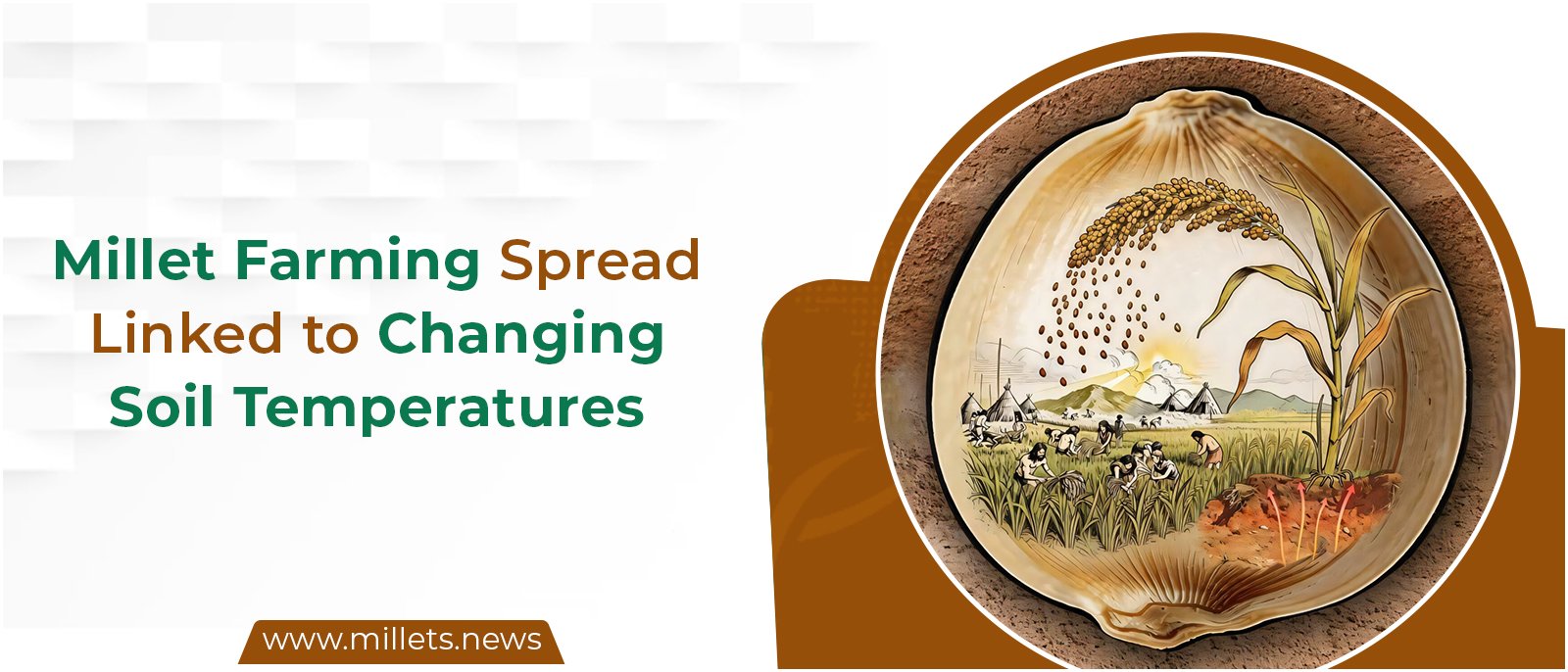
A new scientific study has found that soil temperature had a strong influence on the rise and spread of millet farming in ancient East Asia. Researchers discovered that changes in soil warmth during different historical periods affected the suitability of land for millet cultivation, shaping the growth of early agricultural communities. The findings offer valuable insights into how climate conditions influenced farming practices thousands of years ago.
The research focused on the Loess Plateau region in China, where scientists analysed ancient soil deposits and environmental records to understand past climate patterns. According to the study, warmer soil conditions during the early stages of the Neolithic period created favourable conditions for millet cultivation. However, a later cooling phase reduced the areas suitable for farming and may have slowed the expansion of millet-based agriculture.
As temperatures became warmer and more stable again in later periods, millet cultivation spread more widely across East Asia. Researchers believe that favourable environmental conditions, combined with improved farming methods, helped ancient communities strengthen food production and establish more stable agricultural systems.
Scientists say the study highlights the close relationship between climate and agriculture throughout human history. The findings may also help modern researchers better understand how crops respond to environmental changes and support the development of climate-resilient farming systems for the future.