 By Admin
As water shortages continue to affect agricultural regions in the western United States, including parts of the Pacific Northwest, millets are emerging as a practical and sustainable crop alternative. These traditional grains require far less water than crops such as rice and wheat, making them suitable for areas facing drought, declining groundwater levels, and unpredictable rainfall patterns.
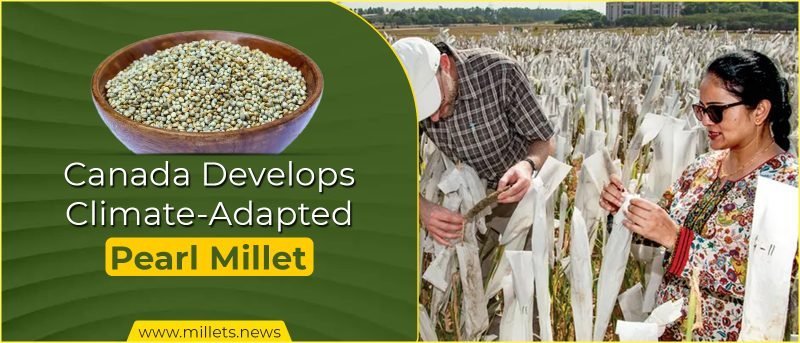
Millets are well adapted to harsh growing conditions and can thrive in dry climates, poor soils, and high temperatures. Their resilience and shorter growing periods help farmers maintain productivity while reducing dependence on heavy irrigation and costly agricultural inputs. Crops such as sorghum, pearl millet, and foxtail millet are increasingly being considered valuable options for climate-smart farming systems.
Beyond their environmental advantages, millets also provide strong nutritional benefits. They are rich in fiber, protein, iron, calcium, and antioxidants that support healthy diets and improved food security. As awareness about sustainable agriculture and nutritious grains continues to grow, researchers, policymakers, and farming communities are encouraging greater millet cultivation as part of a more resilient agricultural future.