 By Admin
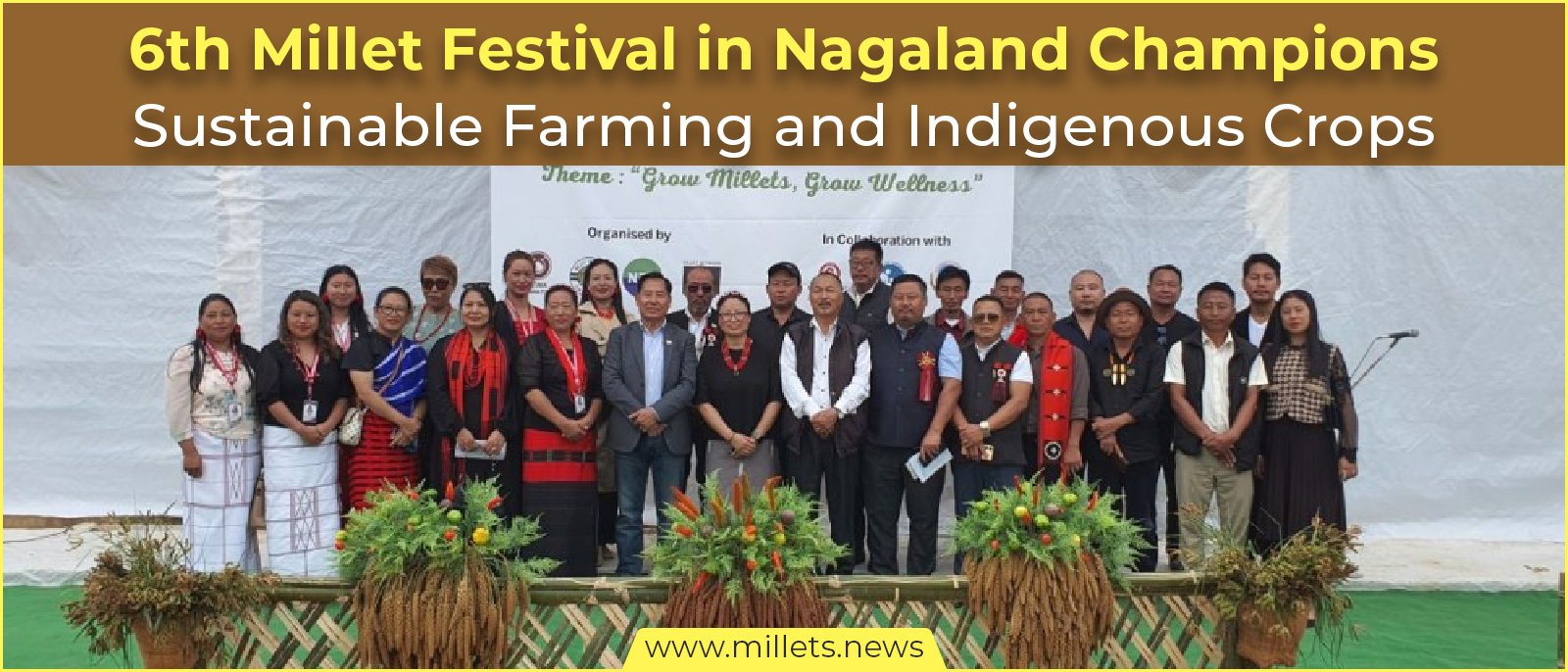
The 6th Millet Festival in Shamator, Nagaland, showcased the growing importance of millets in sustainable agriculture and rural development. The event brought together farmers, community groups and agricultural stakeholders. Locally grown millets, indigenous farm produce and traditional products were prominently displayed. The festival demonstrated how traditional crops can support both food security and local livelihoods.
A major focus was encouraging farmers to expand millet cultivation and preserve traditional farming practices. Millets are well suited to challenging environments because of their resilience and relatively modest resource requirements. Nagaland’s Agriculture Department highlighted its efforts to support millet-growing communities. Such initiatives can strengthen production, farmer knowledge and local millet value chains.
The festival also highlighted the significant contribution of women farmers to millet agriculture. SEWA representatives encouraged stronger community participation and greater involvement of women in cultivation and millet-based enterprises. Farmer achievements were recognised during the programme, including an award presented to Yinsola Yimkhiung as the highest millet producer. Such recognition can encourage more farmers to participate in millet cultivation.
Beyond farming, the festival connected millets with nutrition, entrepreneurship and local culture. Cooking competitions demonstrated different ways of transforming traditional grains into appealing foods. Farmers’ markets and exhibitions provided opportunities to showcase local produce and value-added products. Cultural programmes and traditional crafts further celebrated the agricultural heritage of the region.
By connecting farmers, women’s groups, government representatives and local communities, the festival demonstrated the wider potential of millet promotion. Stronger millet value chains can create new livelihood and market opportunities for rural producers. They can also encourage dietary diversity while preserving indigenous agricultural knowledge. Shamator’s initiative positions millets as both a traditional crop and an important resource for a sustainable future.