 By Admin
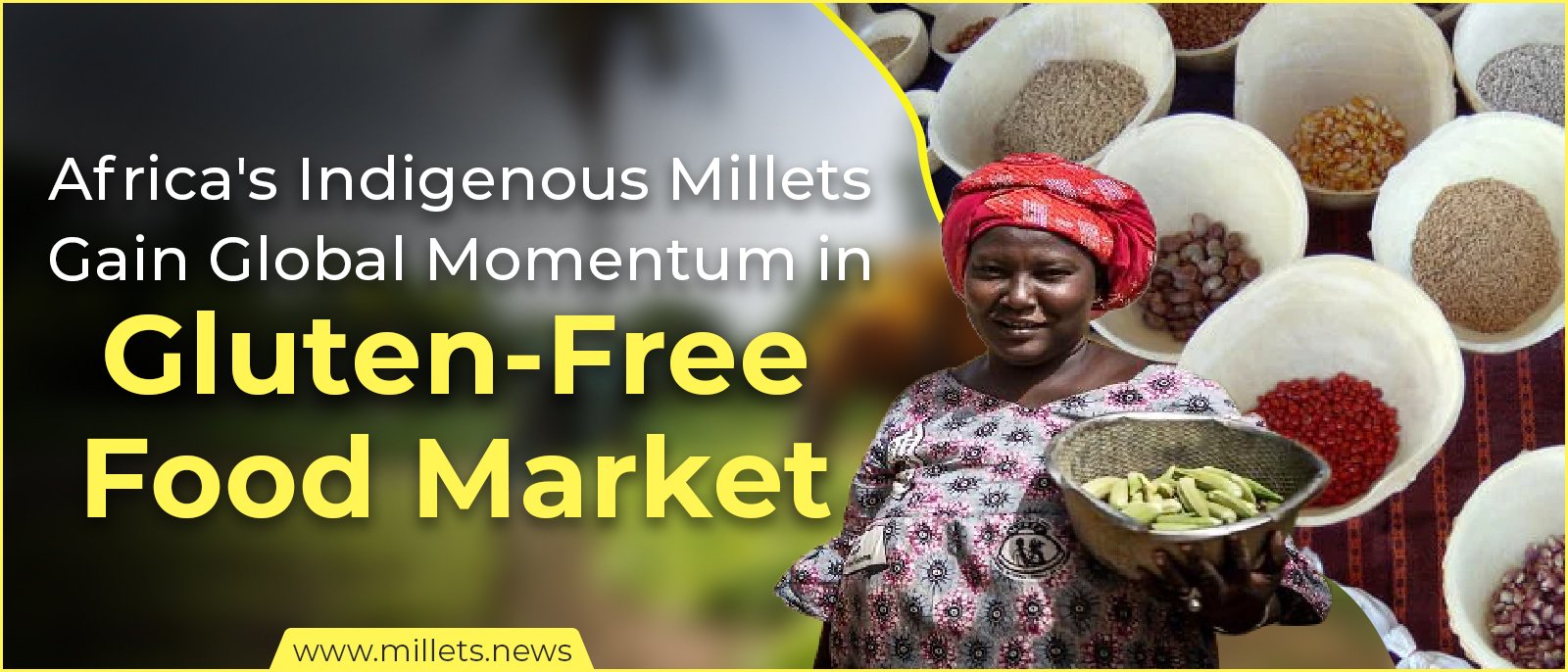
Africa's indigenous grains are gaining renewed commercial importance as consumer demand for gluten-free foods continues to expand worldwide. Food manufacturers, researchers and entrepreneurs are increasingly developing premium products from crops such as millets, sorghum, teff and cassava, offering nutritious alternatives to conventional wheat-based foods.
The shift is being driven by growing consumer interest in gluten-free diets, improved nutrition and sustainable food choices. Unlike imported wheat, many indigenous African grains are produced locally, helping strengthen domestic value chains while supporting farmers with crops that are naturally more resilient to drought and changing climatic conditions.
Research institutions across the continent are developing innovative technologies to improve the quality, affordability and functionality of gluten-free foods. Scientists are exploring new protein ingredients, value-added flours and sustainable food processing methods that enhance the texture and nutritional quality of bakery products while reducing food waste.
Governments and research organisations are also supporting the sector through international standards, improved crop varieties and investments in climate-resilient agriculture. Countries including Kenya, Nigeria, Ethiopia and South Africa are promoting indigenous grains for both domestic consumption and export, creating new market opportunities for farmers and food businesses.
As demand for clean-label and gluten-free products continues to rise globally, African millets and other traditional grains are becoming increasingly important in building sustainable food systems, improving nutrition and expanding agri-food exports.