 By Admin
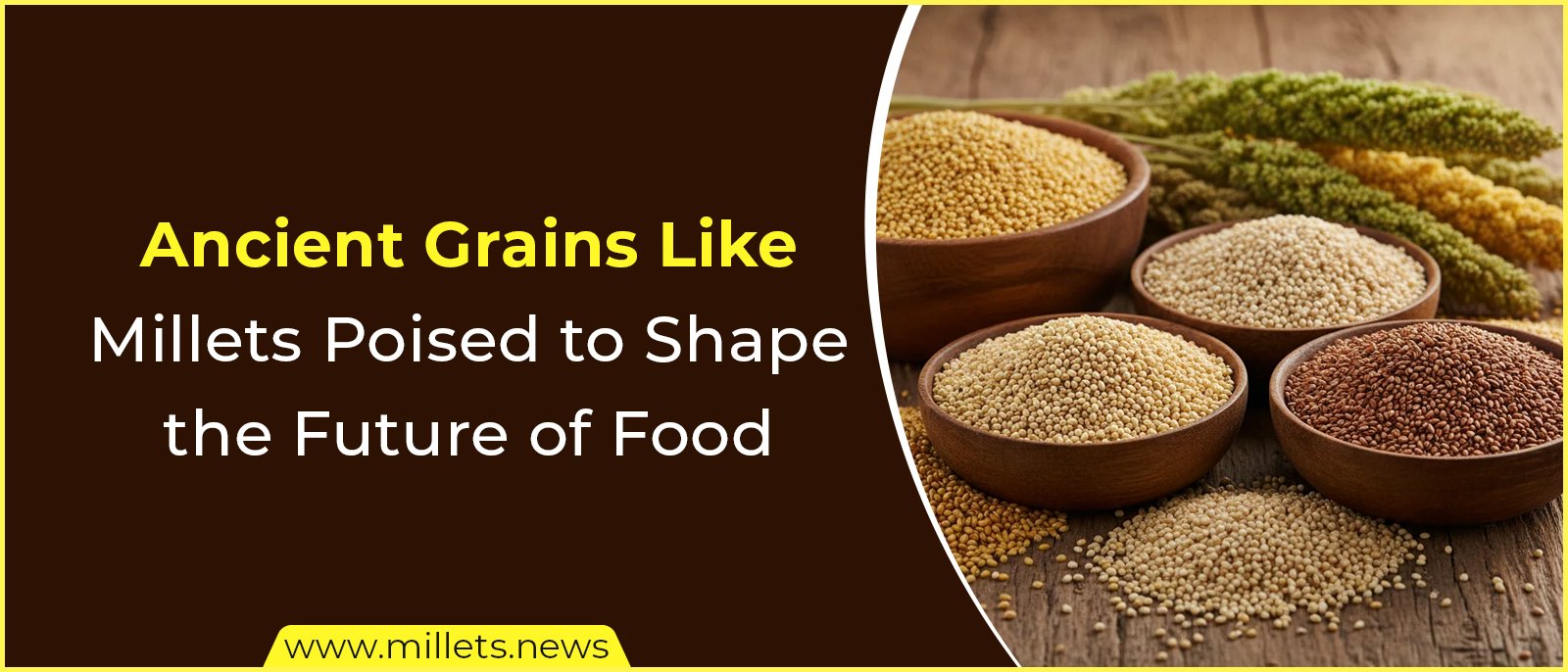
Ancient grains are receiving renewed global attention as researchers and nutrition experts recognize their potential to address future food and nutrition challenges. Among these grains, millets stand out for their exceptional nutritional profile, adaptability to harsh climates, and ability to support sustainable agricultural practices.
Millets are naturally rich in dietary fibre, essential minerals, and plant-based nutrients while requiring significantly less water than many conventional cereal crops. Their resilience to drought and heat makes them well suited to regions facing increasing climate variability, offering farmers a dependable crop under changing weather conditions.
Beyond their agricultural advantages, millets are becoming increasingly popular among health-conscious consumers. Their versatility in traditional and modern recipes, combined with growing awareness of whole grains, has strengthened demand in both domestic and international markets. Continued innovation in millet-based foods is further expanding their appeal.
As governments, researchers, and food industries search for sustainable solutions to feed a growing population, ancient grains such as millets are emerging as an important part of future food systems. Their combination of nutrition, environmental sustainability, and climate resilience positions them as a key crop for improving food security while supporting resilient farming communities.