 By Admin
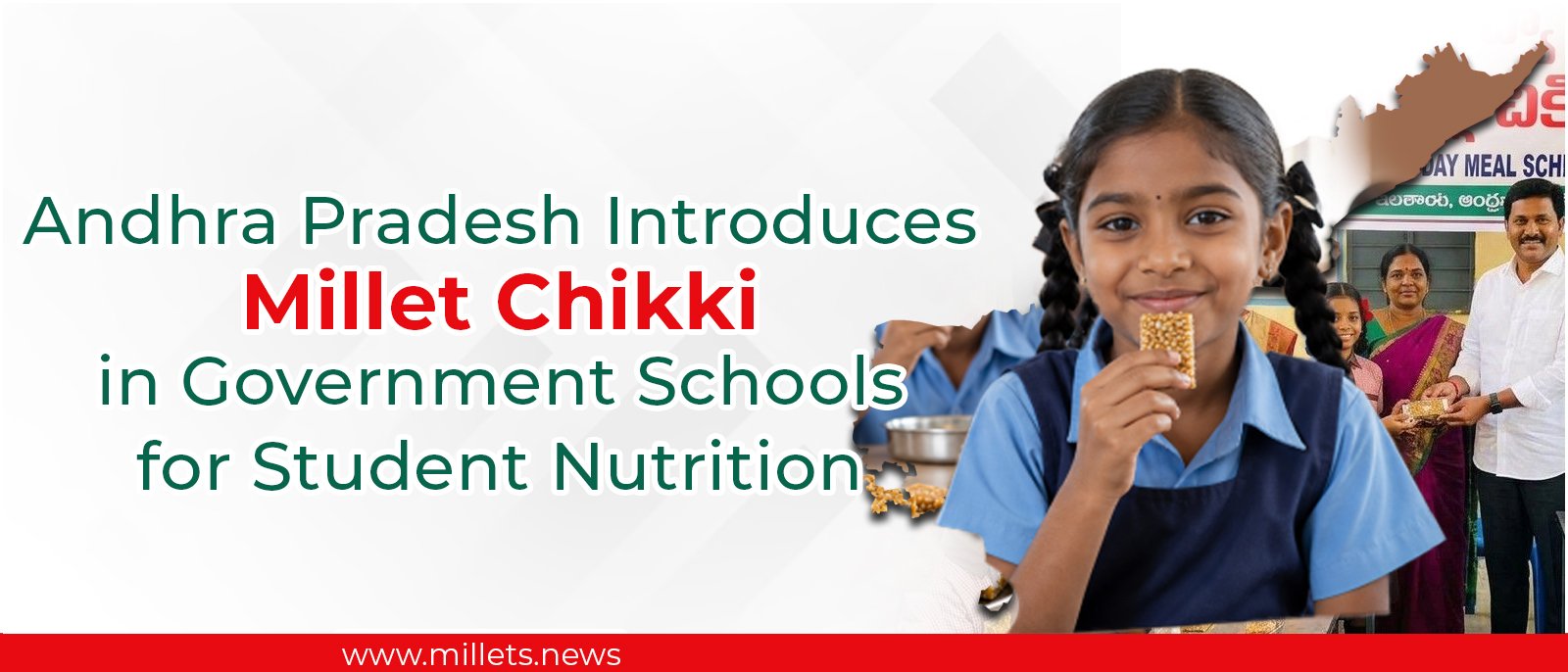
The Andhra Pradesh government has strengthened its commitment to child nutrition by introducing peanut millet jaggery chikki in government schools under the Dokka Seethamma Mid-Day Meal Scheme. Replacing the conventional peanut chikki, this upgraded millet-based snack is designed to provide students with improved nutrition while promoting healthy eating habits from an early age.
The initiative reflects the growing recognition of millets as nutrient-rich super grains that can play a significant role in addressing nutritional deficiencies among school-going children. By combining traditional ingredients with modern nutritional planning, Andhra Pradesh is setting an example for other states seeking sustainable and healthier school meal solutions.
The newly introduced millet chikki is prepared using peanuts, blended millets including ragi, jowar, and bajra, along with natural jaggery syrup. This carefully balanced combination offers higher levels of dietary fiber and calcium while preserving the protein and energy provided by peanuts.
Millets are naturally rich in essential minerals, vitamins, and antioxidants, making them an excellent addition to children's daily diets. The inclusion of jaggery further enhances the nutritional profile by supplying natural iron and energy without relying on refined sugar. Together, these ingredients create a wholesome snack that supports children's overall physical and cognitive development.
The Andhra Pradesh government aims to improve children's nutrition, promote healthy growth, strengthen immunity, and enhance concentration in classrooms through this initiative. Regular consumption of nutrient-dense foods can positively influence learning ability, energy levels, and attendance in schools. Millets are widely recognized for their ability to support digestion, improve bone health, regulate blood sugar levels, and provide sustained energy throughout the day.
Introducing millet-based snacks into school meal programs helps children develop healthier food habits while encouraging greater awareness of traditional grains among families and communities. To ensure continuity and convenience, the government has retained the existing distribution schedule. Students will receive the peanut millet jaggery chikki three times every week on Monday, Wednesday, and Friday.
Maintaining the familiar schedule ensures a smooth transition while consistently providing children with additional nutritional support. To facilitate efficient distribution across the state, Andhra Pradesh has divided supply operations into six packages covering all districts, ensuring timely delivery to government schools without disrupting the existing mid-day meal system.
Quality assurance has been made a priority in implementing the program. Authorities have mandated procurement only from reputed branded manufacturers that meet established food safety standards. Each chikki packet is packed using advanced multi-layer protective packaging to preserve freshness, hygiene, and nutritional quality throughout transportation and storage.
Additionally, barcode-based monitoring has been introduced for individual packets and transport cartons to improve transparency, strengthen supply chain management, and ensure accountability at every stage of distribution. These measures demonstrate the government's commitment to delivering safe, high-quality food products to school children.
The introduction of peanut millet jaggery chikki represents a significant milestone in India's efforts to promote millet consumption through public nutrition programs. By integrating nutrient-rich traditional grains into a popular school snack, Andhra Pradesh supports the objectives of sustainable agriculture, healthier diets, and improved child welfare. The initiative also creates greater demand for locally grown millets, benefiting farmers while encouraging environmentally sustainable farming practices.
As awareness of millet-based nutrition continues to grow, this innovative school meal initiative has the potential to become a model for similar programs across India, helping build healthier generations through nutritious, locally sourced, and culturally familiar foods.