 By Admin
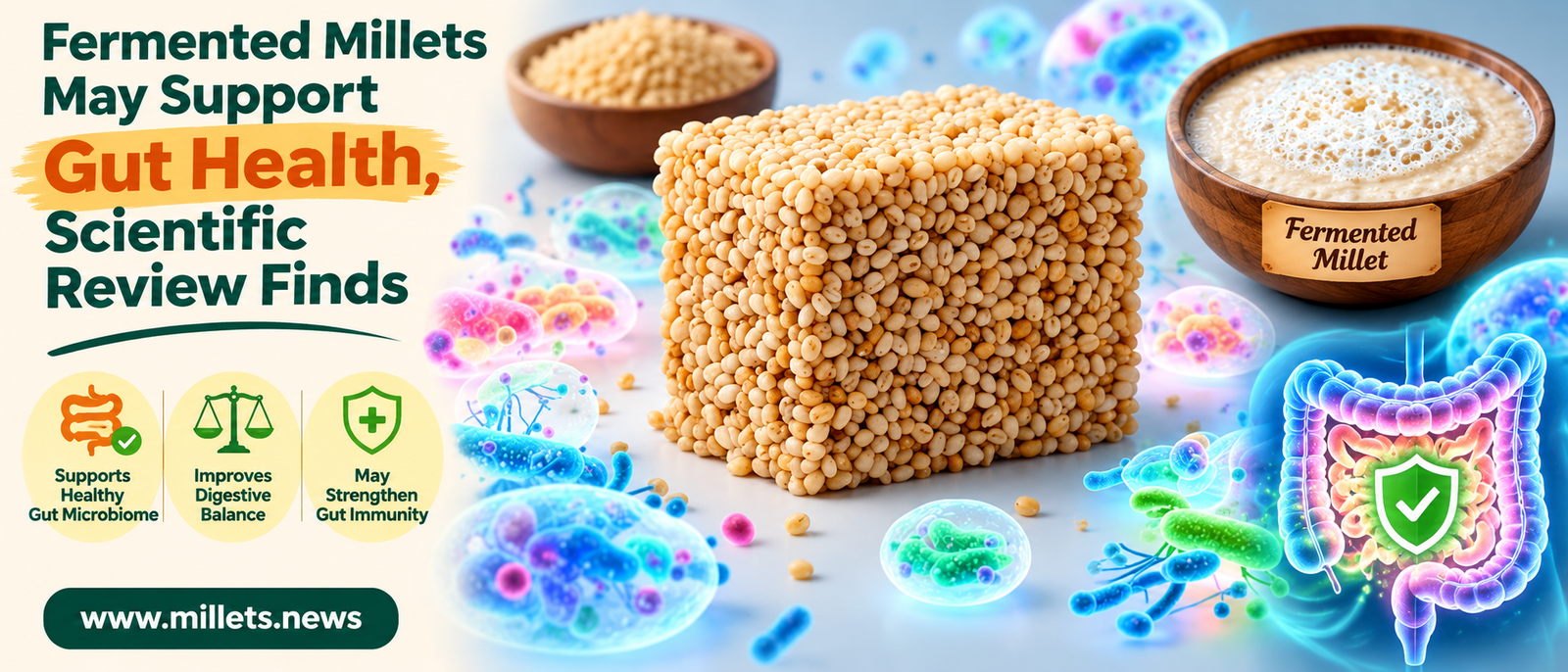
Fermented Millets May Support Gut Health, Scientific Review Finds
Fermented millet-based foods are gaining scientific attention for their potential to support digestive health, improve nutrient availability and influence the microorganisms living in the human gastrointestinal tract.
A 2026 review published in Food Production, Processing and Nutrition examines the relationship between millet fermentation, gut microbiota and gastrointestinal health.
The researchers evaluated existing evidence on traditional fermented millet foods, microbial fermentation processes and the nutritional changes that occur during food preparation.
How Fermentation Changes Millets
Fermentation is a biological process in which microorganisms, including lactic acid bacteria and yeasts, transform food components.
In millet-based foods, fermentation can reduce certain antinutritional substances, including phytates and tannins, which may otherwise limit mineral absorption.
The process can also modify proteins, carbohydrates and bioactive compounds, potentially improving digestibility and nutrient accessibility.
However, the extent of these changes depends on the millet variety, microorganisms, fermentation conditions and subsequent food processing.
Potential Benefits for Gut Microbiota
Millets contain dietary fibre and resistant starch, which can serve as substrates for intestinal microorganisms.
When gut bacteria ferment these carbohydrates, they may produce short-chain fatty acids such as acetate, propionate and butyrate.
These compounds are involved in intestinal barrier function, energy metabolism and immune regulation.
The review discusses how fermented millet products may help create favourable conditions for beneficial microorganisms.
Traditional fermented foods examined include millet-based porridges, batters and beverages prepared across Asia and Africa.
Some fermented products contain lactic acid bacteria, although their presence alone does not establish that a food provides clinically proven probiotic benefits.
Evidence from Experimental Studies
The review describes laboratory and animal investigations suggesting that millet-derived components may influence gut microbial populations and inflammatory pathways.
Some animal studies reported changes in intestinal inflammation, microbial composition and metabolic indicators after dietary interventions involving millet products.
These findings provide useful directions for future research but cannot be assumed to produce identical results in humans.
Human clinical evidence remains comparatively limited, particularly for individual fermented millet products and their long-term effects on gastrointestinal health.
Opportunities for Functional Food Development
The researchers also highlight opportunities to develop fermented millet foods using controlled processing methods.
Such products could include fermented millet beverages, porridges, batters and other convenient food formats.
Standardising fermentation conditions is important for ensuring product quality, microbial safety, consistency and shelf life.
Further research using microbiome analysis, metabolomics and controlled human trials could help establish which fermented millet preparations provide measurable health benefits.
A Promising Area of Nutrition Research
The review suggests that fermented millets could contribute to the development of nutritious, culturally familiar and potentially beneficial foods.
Their value extends beyond possible gut health effects because millet crops are also recognised for their role in diversified agricultural and food systems.
Nevertheless, fermented millet foods should be considered components of a balanced diet rather than treatments for digestive or metabolic disorders.
The findings support continued investigation into how traditional fermentation practices can inform modern food science and nutrition.