 By Admin
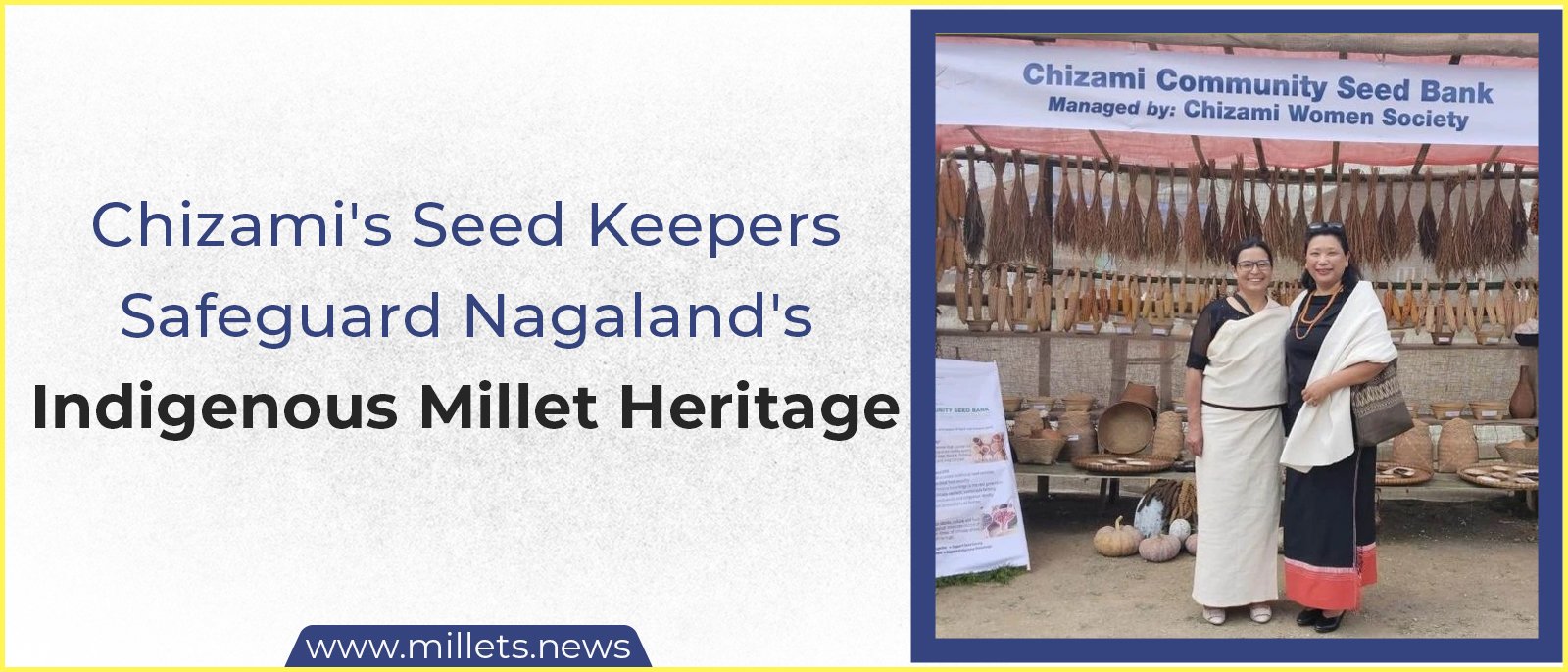
The village of Chizami in Nagaland has emerged as a model for conserving indigenous seeds and protecting traditional farming practices that have sustained local communities for generations. At the heart of this effort are community seed keepers, many of them women, who carefully preserve native crop varieties and pass on agricultural knowledge to younger generations.
Among the crops being conserved are traditional millet varieties that are well adapted to local climatic conditions. These resilient grains form an important part of the region's food culture while supporting biodiversity and reducing dependence on commercial seed systems. Community-led seed preservation also helps farmers maintain crop diversity, which is essential for adapting to changing weather patterns.
The initiative demonstrates how indigenous knowledge contributes to sustainable agriculture by promoting locally adapted crops, ecological farming methods, and food sovereignty. Seed banks and community exchanges ensure that valuable genetic resources remain available for future generations while strengthening rural livelihoods.
As interest in climate-resilient agriculture grows, the work of Chizami's seed keepers highlights the importance of conserving traditional millet varieties alongside indigenous farming practices. Their efforts provide a valuable example of how biodiversity conservation and community participation can strengthen food security and agricultural resilience