 By Admin
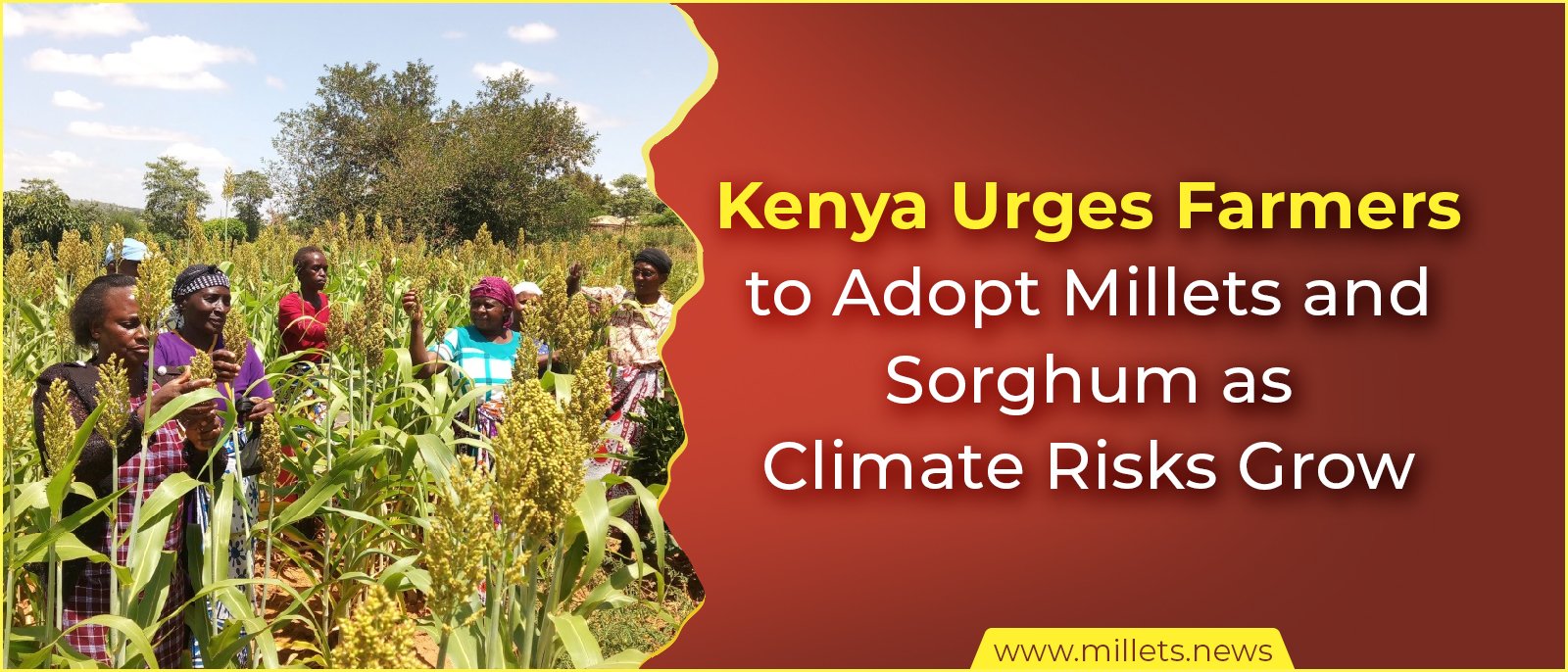
Kenya is encouraging farmers to adopt more diversified and climate-resilient farming systems as changing weather patterns continue to threaten maize production. During the 3rd Agroecology Symposium in Nairobi, Agriculture Secretary Peter Owoko emphasized that relying heavily on maize is becoming increasingly risky due to erratic rainfall, desertification, pest outbreaks, and unstable market conditions.
He advised farmers, particularly those in arid and semi-arid regions, to cultivate drought-tolerant crops such as sorghum, finger millet, and other small grains, along with root crops like cassava and sweet potatoes. These crops are better adapted to dry conditions, offer more stable harvests, and can improve household food security and nutrition.
Owoko also highlighted the need for a shift in consumer food preferences, noting that Kenya's strong dependence on maize influences farming decisions. Promoting a wider variety of cereals and root crops would help create stronger markets for diversified agricultural production while supporting healthier diets.
The symposium underscored the importance of agroecological practices, including crop diversification, organic soil management, water conservation, and integrated pest management. These approaches can reduce production costs, improve soil health, conserve biodiversity, and strengthen resilience to climate-related challenges.
The Kenyan government reaffirmed its commitment to sustainable agriculture through continued investment in research, farmer capacity building, and implementation of the National Agroecology Strategy for Food Systems Transformation, which aims to build more resilient, environmentally sustainable, and nutrition-sensitive food systems.