 By Admin
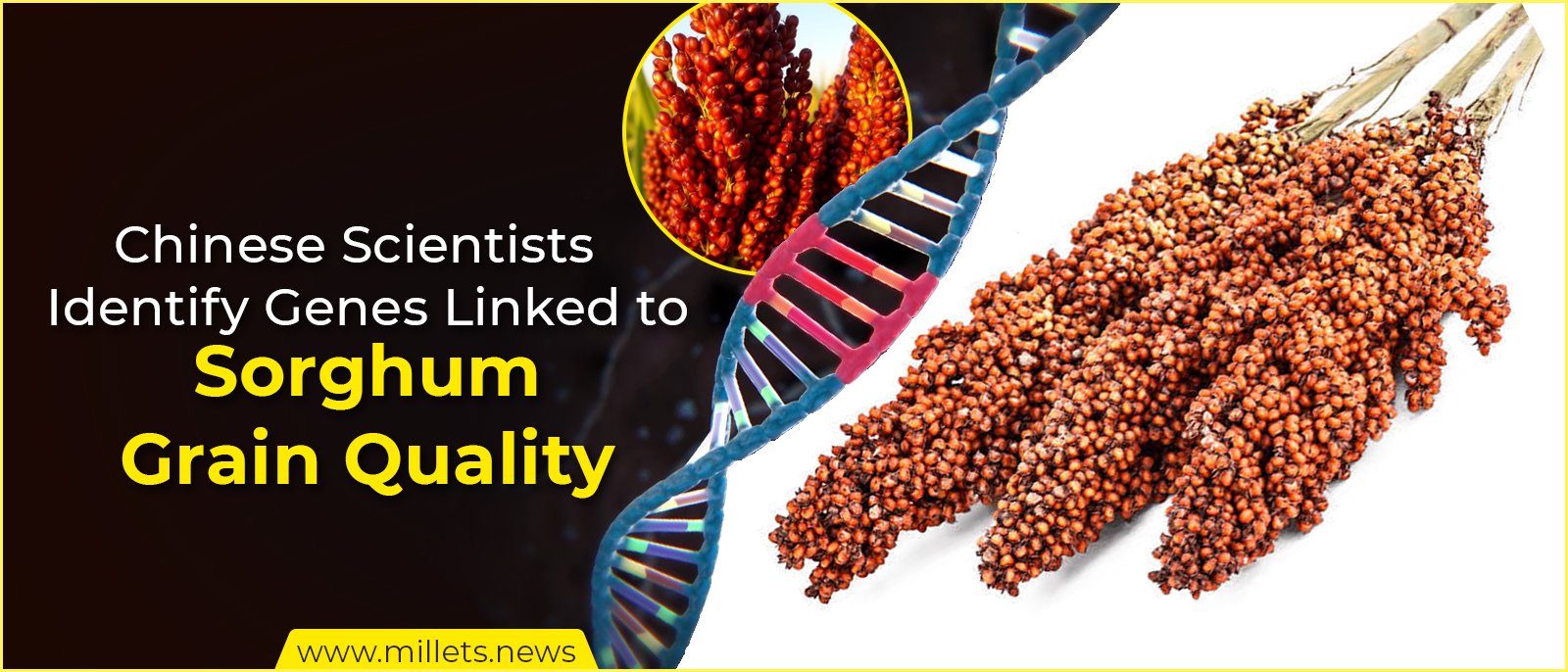
A new genomic study has identified genetic regions associated with grain quality in Chinese waxy red sorghum, providing valuable information for future crop breeding and grain improvement research.
The study, published in BMC Plant Biology, examines the genetic characteristics of sorghum varieties used for different agricultural and processing purposes.
Researchers focused on GJH1, an elite waxy red sorghum cultivar traditionally used in the production of baijiu, a Chinese distilled beverage.
Waxy sorghum differs from conventional grain sorghum primarily in its starch composition. It generally contains a lower proportion of amylose and a higher proportion of amylopectin, characteristics that can influence grain processing and fermentation.
Despite the economic importance of waxy sorghum in China, the genetic differences separating these cultivars from other sorghum types have not been fully understood.
To investigate these differences, scientists developed a chromosome-level genome assembly for GJH1.
The assembly provides a detailed genetic reference that can be used to examine gene organisation, structural variation and genetic characteristics associated with grain quality.
Researchers compared the GJH1 genome with two established sorghum reference genomes: BTx623, representing grain sorghum, and Rio, representing sweet sorghum.
These comparisons revealed extensive genetic variation, including single-nucleotide polymorphisms, insertions, deletions and structural changes affecting genes.
The researchers also investigated the presence or absence of particular genes and differences in genome organisation.
To understand the broader genetic diversity of sorghum, the team conducted population genomic analysis using 443 sorghum accessions.
The analysis identified six genetic subpopulations broadly associated with geographic origins, breeding histories and agricultural uses.
These findings indicate that sorghum varieties developed for different purposes possess distinguishable genetic characteristics.
The researchers subsequently examined genomic regions showing evidence of historical selection during crop breeding.
Such regions, commonly called selective sweeps, can help scientists identify parts of the genome that may have been favoured during the development of particular crop characteristics.
The analysis revealed differences in genetic regions associated with starch composition and tannin content.
Waxy sorghum accessions showed enrichment of genetic variants associated with reduced amylose content.
Meanwhile, non-waxy grain sorghum and sweet sorghum accessions more frequently carried loss-of-function variants of Tannin1 and Tannin2, genes associated with grain tannin characteristics.
Tannins are naturally occurring plant compounds that can influence grain colour, processing properties and nutritional characteristics.
Their effects depend on concentration, chemical composition and the intended use of the grain.
The researchers concluded that the genetic differences observed among sorghum groups provide useful clues about how grain quality traits have changed through breeding and selection.
The GJH1 genome assembly and associated population data offer a resource for future studies investigating the genetic basis of sorghum grain composition.
Such information may eventually support breeding programmes targeting specific starch characteristics, tannin profiles and processing requirements.
However, the study primarily identifies candidate genetic regions and associations.
It does not establish that every identified gene directly controls a particular grain quality characteristic.
Further experimental validation will be required to determine the biological functions of these candidate genes and assess their influence on grain processing performance.
For the wider sorghum industry, the research demonstrates the growing importance of genomic technologies in understanding crop diversity.
Different sorghum varieties are used for food, animal feed, industrial processing and fermentation, creating demand for grain characteristics suited to particular applications.
Identifying the genetic basis of these characteristics may help researchers develop more targeted breeding strategies.
The study contributes to this effort by providing a detailed genomic resource for Chinese waxy red sorghum and highlighting genetic variation associated with important grain quality traits.
Its findings could support future research into sorghum breeding, grain processing and the development of varieties suited to different agricultural and industrial applications.