 By Admin
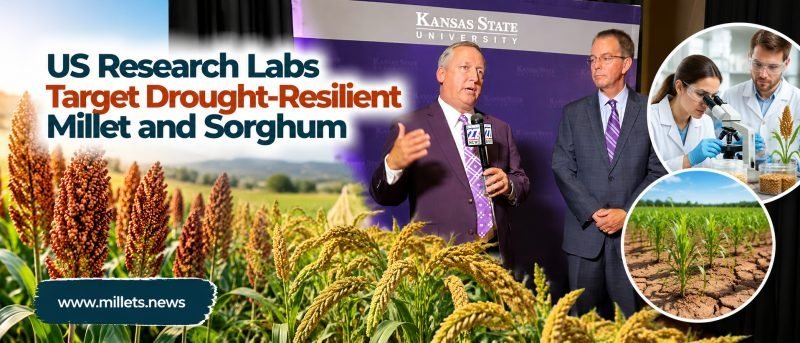
Agricultural experts are warning livestock producers that prolonged heat and drought can significantly increase the risk of prussic acid (hydrogen cyanide) and nitrate accumulation in sorghum forage. These naturally occurring compounds can become toxic under environmental stress, posing serious health risks to cattle if affected forage is grazed or harvested without proper precautions.
The risk is highest in young regrowth, after drought-breaking rainfall, or when sorghum has experienced stress from drought, frost, or excessive nitrogen fertilization. Specialists recommend testing forage before grazing or harvesting, delaying grazing until plants recover, and considering ensiling, which can help reduce toxin levels.
The advisory also notes that while pearl millet does not produce prussic acid, it can still accumulate nitrates under drought conditions. As climate variability increases, careful forage management and routine testing are becoming increasingly important for protecting livestock and maintaining safe use of sorghum-based forage systems.