 By Admin
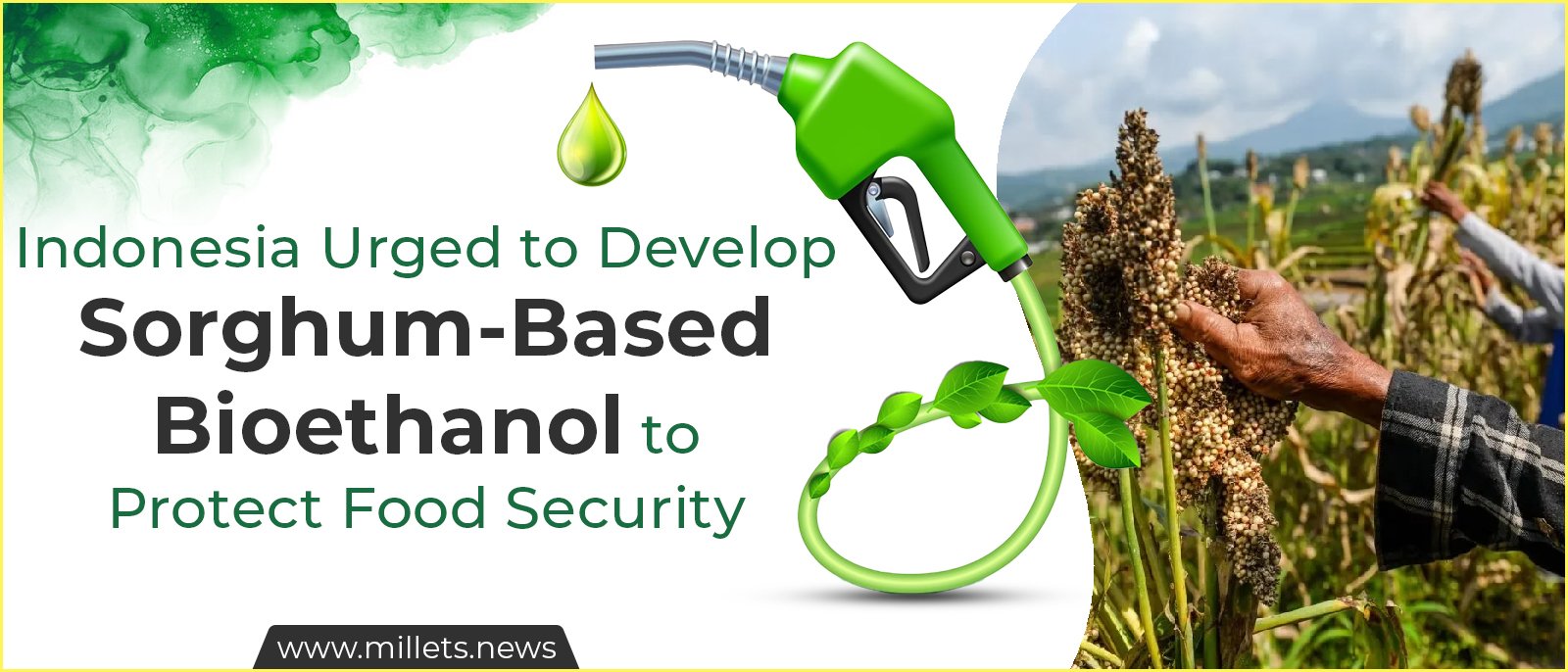
Indonesia should accelerate the development of sorghum-based bioethanol as part of its renewable energy strategy, according to energy expert Ali Ahmudi Achyak from the University of Indonesia. He argues that sorghum offers a practical alternative to feedstocks such as sugarcane and corn, which are more closely tied to national food supplies.
The recommendation comes as Indonesia prepares to introduce an E10 gasoline blend in 2027. Sorghum's ability to thrive on marginal and drought-prone land makes it well suited for biofuel production without placing additional pressure on land used for staple food crops. This approach could help the country strengthen both energy security and food security simultaneously.
Beyond renewable fuel production, expanding sorghum cultivation could create new income opportunities for farmers while increasing demand for climate-resilient crops. The proposal reinforces sorghum's growing importance not only as a food and feed crop but also as a strategic raw material for the emerging bioeconomy.