 By Admin
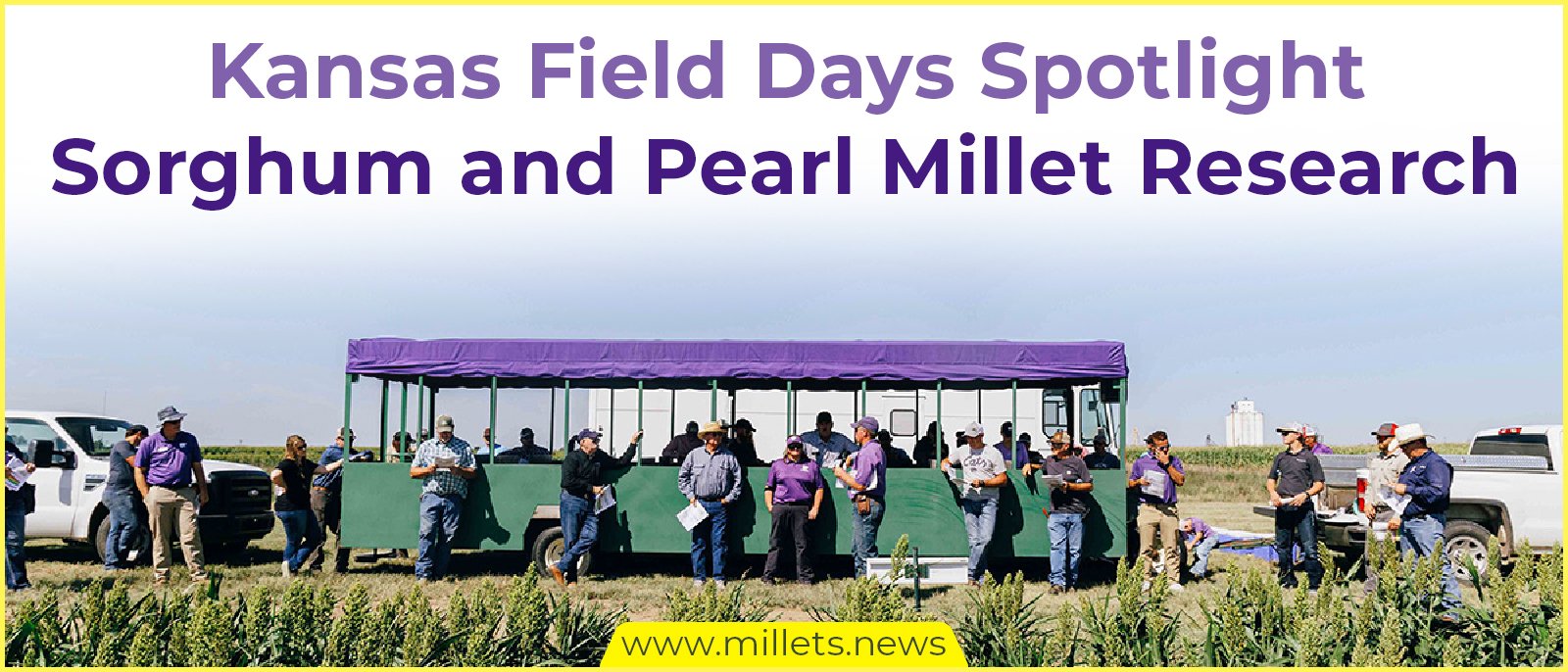
Kansas farmers and agricultural professionals will have several opportunities in late August to explore emerging research involving sorghum and pearl millet. Kansas State University’s Western Kansas Research-Extension Centers are preparing field programmes across Garden City, Hays and Tribune, combining crop research with practical demonstrations designed for producers operating in water-constrained environments.
The first programme will take place in Garden City on August 25, where researchers will address weed management in corn and grain sorghum alongside alternative summer legumes and irrigation strategies. Participants will also hear about insects affecting corn and sorghum, bringing crop protection into the wider discussion around resilient production systems in western Kansas.
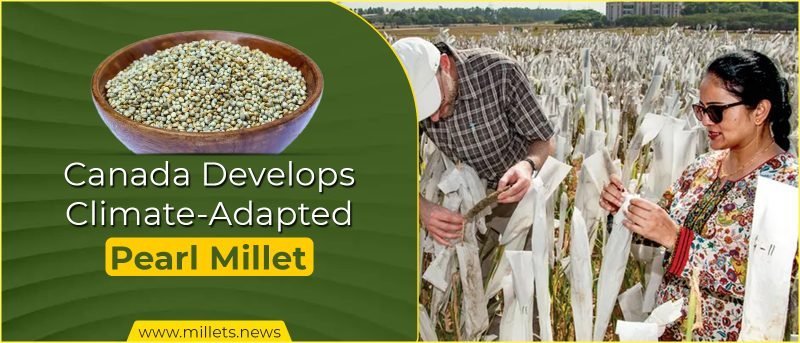
Attention will turn directly to pearl millet during the Agricultural Research Center-Hays field day on August 26. The programme will include research on pearl millet's value as a forage crop, alongside nitrogen management, biostimulants in grain sorghum and finishing-beef-cattle research. This combination highlights the importance of small grains within integrated crop-livestock systems.
At Tribune on August 27, researchers will focus on nitrogen management in dryland sorghum, micronutrients in forage sorghum and limited irrigation. These subjects are particularly significant for agricultural regions where producers must maintain productivity while managing increasingly constrained water resources and variable growing conditions.
A separate series of Sorghum Connection Field Days will run from August 26–28 across central and western Kansas. Organised by the Kansas Grain Sorghum Commission with Kansas State University Research and Extension and K-State’s Department of Plant Pathology, the events will bring university and industry expertise directly to working agricultural landscapes.
On-farm research plots will allow participants to examine agronomic innovations and crop-management practices under practical production conditions. Demonstrations will also cover drone-based mapping and spraying applications, illustrating how precision technologies are increasingly being incorporated into sorghum management and agricultural decision-making.
The wider Farm Progress report also highlights Kansas's continuing focus on water conservation and agricultural sustainability. The newly authorised Rattlesnake Creek Watershed Project aims to preserve most irrigated agricultural production while reducing water use and improving groundwater and streamflow sustainability around the Quivira National Wildlife Refuge.
For the millet and sorghum sector, the upcoming field programmes demonstrate how crop resilience must be supported by equally sophisticated agronomic management. Research into forage value, nutrient efficiency, water management, crop protection and precision agriculture can help farmers extract greater value from sorghum and pearl millet while adapting production systems to increasingly demanding environmental conditions.