 By Admin
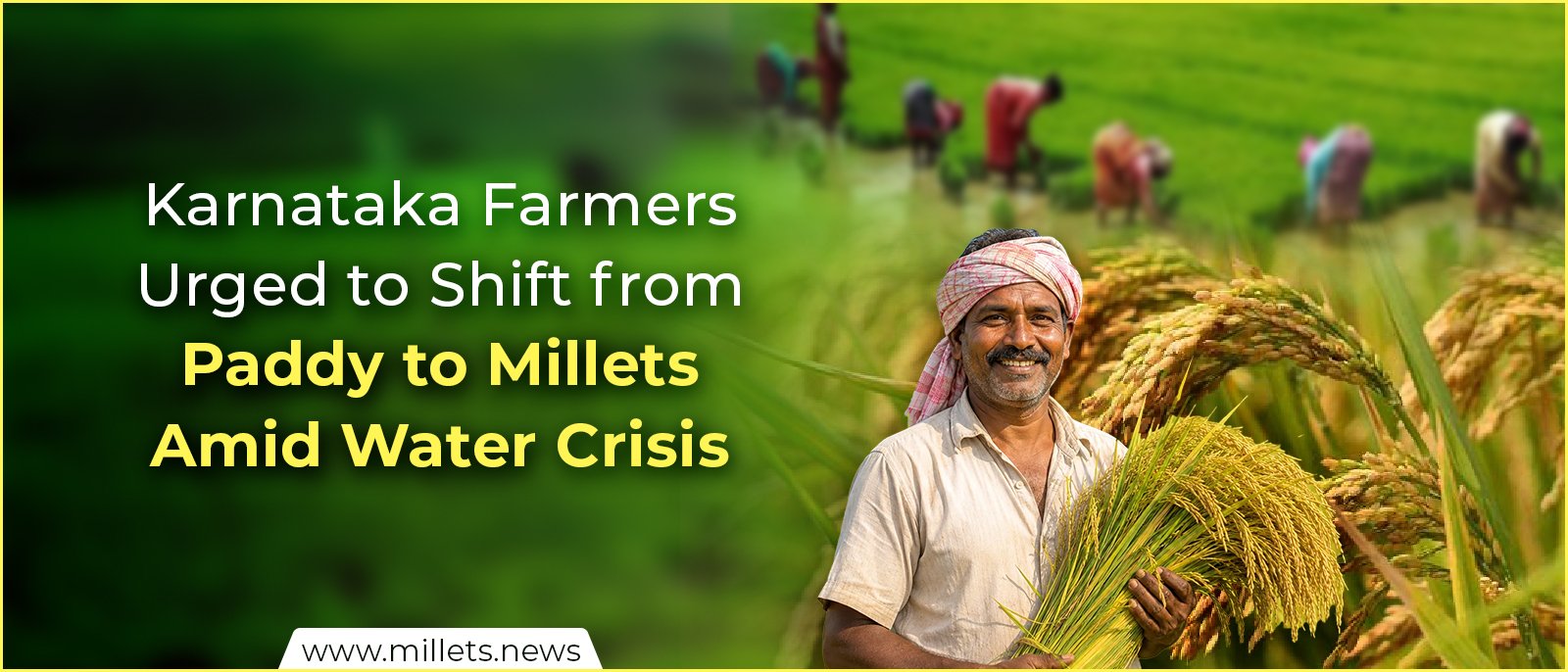
Farmers in Karnataka's Tungabhadra command area, widely known as the state's "Rice Bowl," are being encouraged to switch from paddy cultivation to drought-resilient crops as severe water shortages threaten the ongoing kharif season.
The Tungabhadra dam, a crucial irrigation source for the region, currently holds only a fraction of its full storage capacity, making canal water availability uncertain. Agricultural experts warn that transplanting over-aged paddy seedlings under these conditions could result in poor crop performance, lower yields and increased cultivation costs.
Scientists from the Agricultural Research Station in Gangavati have recommended that farmers cultivate less water-intensive crops, including finger millet (ragi), foxtail millet, jowar (sorghum), maize, sunflower, mustard and horse gram. These crops are better suited to limited water availability and can help reduce production risks during drought conditions.
Agriculture department officials have intensified awareness campaigns across Koppal, Ballari, Raichur and Vijayanagar districts, advising farmers to diversify their cropping patterns. Officials noted that if irrigation water is not released from the dam, rain-fed cultivation of millets and other resilient crops offers a more practical and sustainable alternative.
Experts also highlighted that millet cultivation not only conserves water but also provides valuable fodder for livestock, making it an important option for maintaining farm resilience. Farmer representatives have supported the advisory, noting that delayed paddy transplantation would increase production costs while reducing yields due to winter weather conditions.
The recommendation reflects Karnataka's broader efforts to promote climate-resilient agriculture by encouraging farmers to adopt crops that require less water while ensuring stable incomes under changing weather conditions.