 By Admin
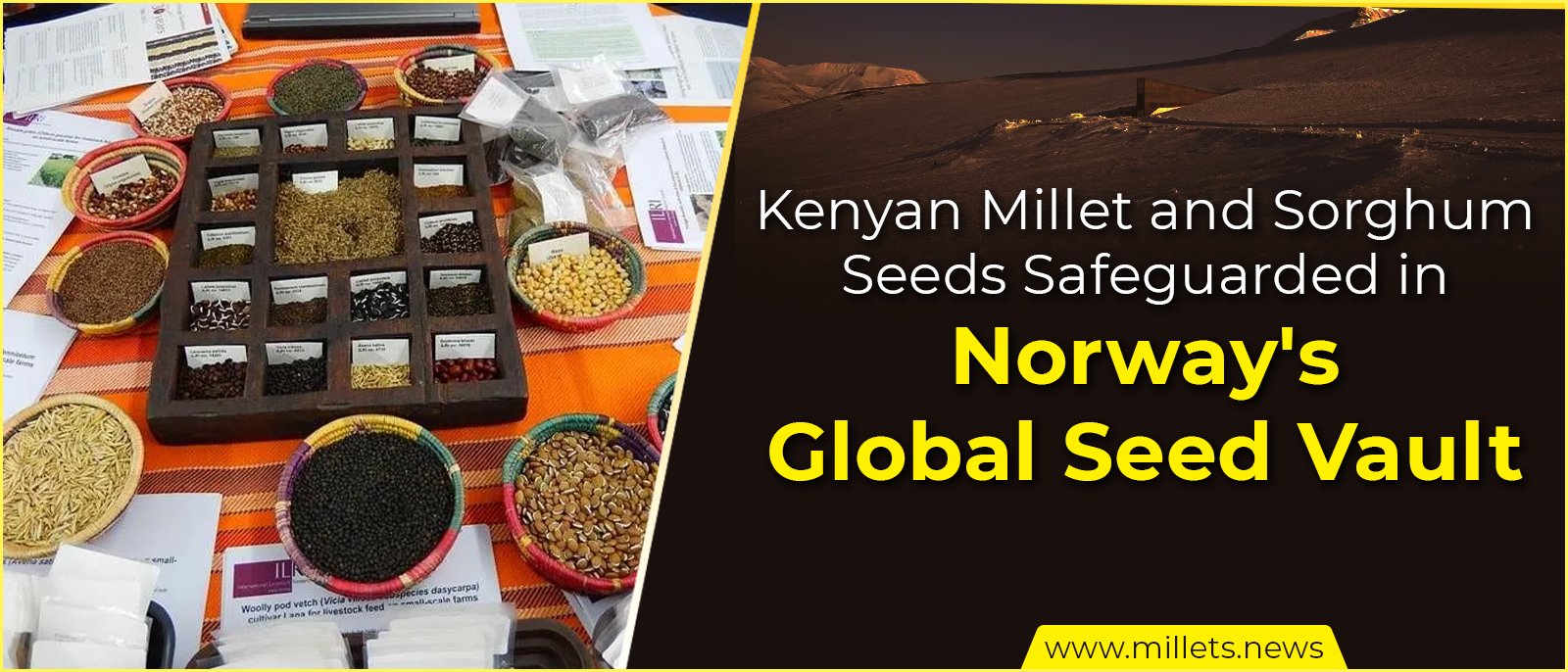
Kenya's valuable millet and sorghum seed varieties are being preserved in the Svalbard Global Seed Vault in Norway, often referred to as the world's "doomsday vault." Stored nearly 8,000 kilometres from Kenya, these duplicate seed samples serve as a secure backup to protect the country's agricultural biodiversity against threats such as climate change, natural disasters, conflicts, and the loss of local seed collections.
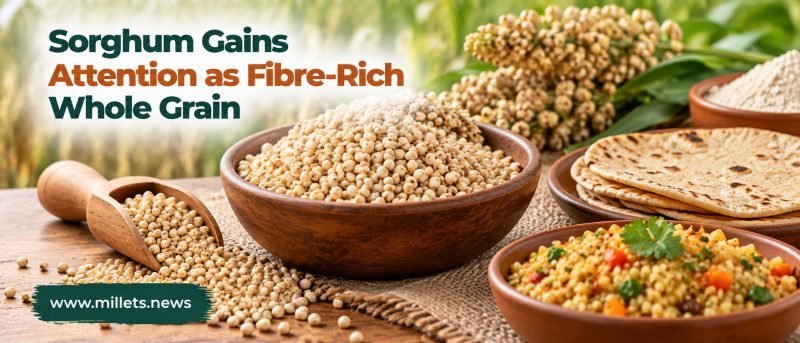
The seed vault safeguards the genetic diversity of important food crops, ensuring that traditional and climate-resilient varieties remain available for future generations. For Kenya, conserving millet and sorghum is particularly significant because these drought-tolerant cereals play a vital role in food security, sustainable agriculture, and climate adaptation across arid and semi-arid regions.
As climate variability continues to challenge agricultural production, preserving indigenous millet and sorghum varieties provides an important resource for future crop improvement and resilience. The initiative demonstrates the global importance of conserving traditional grains while strengthening long-term food security through international collaboration.