 By Admin
Dietary fibre is becoming an increasingly prominent part of nutrition conversations, creating renewed interest in whole grains that can naturally contribute more fibre to everyday diets. Sorghum is among the traditional grains benefiting from this shift.
Sorghum is naturally gluten-free and provides a combination of dietary fibre and protein along with nutrients such as magnesium, iron and B vitamins. It also contains naturally occurring antioxidant compounds, adding to its appeal as a nutrient-dense whole grain.
One notable component of whole-grain sorghum is resistant starch, a type of starch that behaves differently from rapidly digested carbohydrates. Research cited in the source associates resistant starch with potential benefits related to metabolic health, although individual health outcomes depend on the overall diet and other lifestyle factors.
The grain also offers an advantage for consumers seeking gluten-free foods. While some refined gluten-free products can contain relatively little fibre, whole-grain sorghum provides a naturally gluten-free way to incorporate a whole grain into meals.
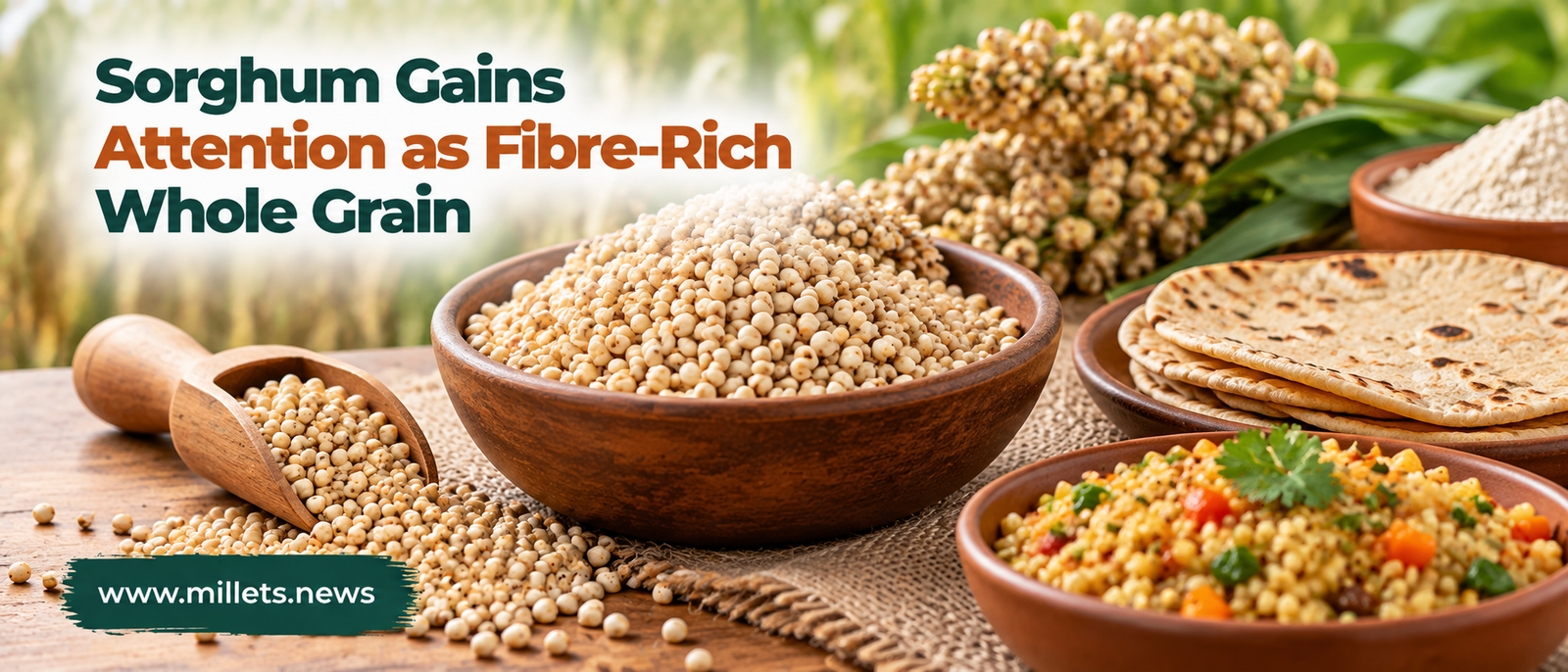
Versatility is another factor supporting sorghum's growing food appeal. Cooked whole-grain or pearled sorghum can be incorporated into salads, grain bowls, soups and breakfast dishes. Sorghum flour can also be used in foods such as pancakes, muffins and quick breads, while popped sorghum provides another snack-oriented format.
The renewed focus on fibre illustrates how traditional grains can find new relevance as consumer nutrition priorities evolve. Rather than being limited to traditional preparations, sorghum is increasingly positioned as a flexible ingredient suited to contemporary diets.
For the millet sector, the trend also creates an opportunity to communicate sorghum's nutritional qualities alongside its culinary versatility. As consumers seek more whole grains and naturally nutrient-rich foods, sorghum could gain greater visibility across health-focused food categories.