 By Admin
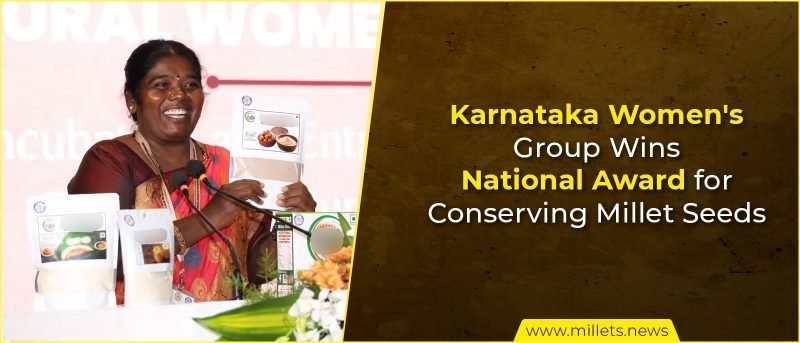
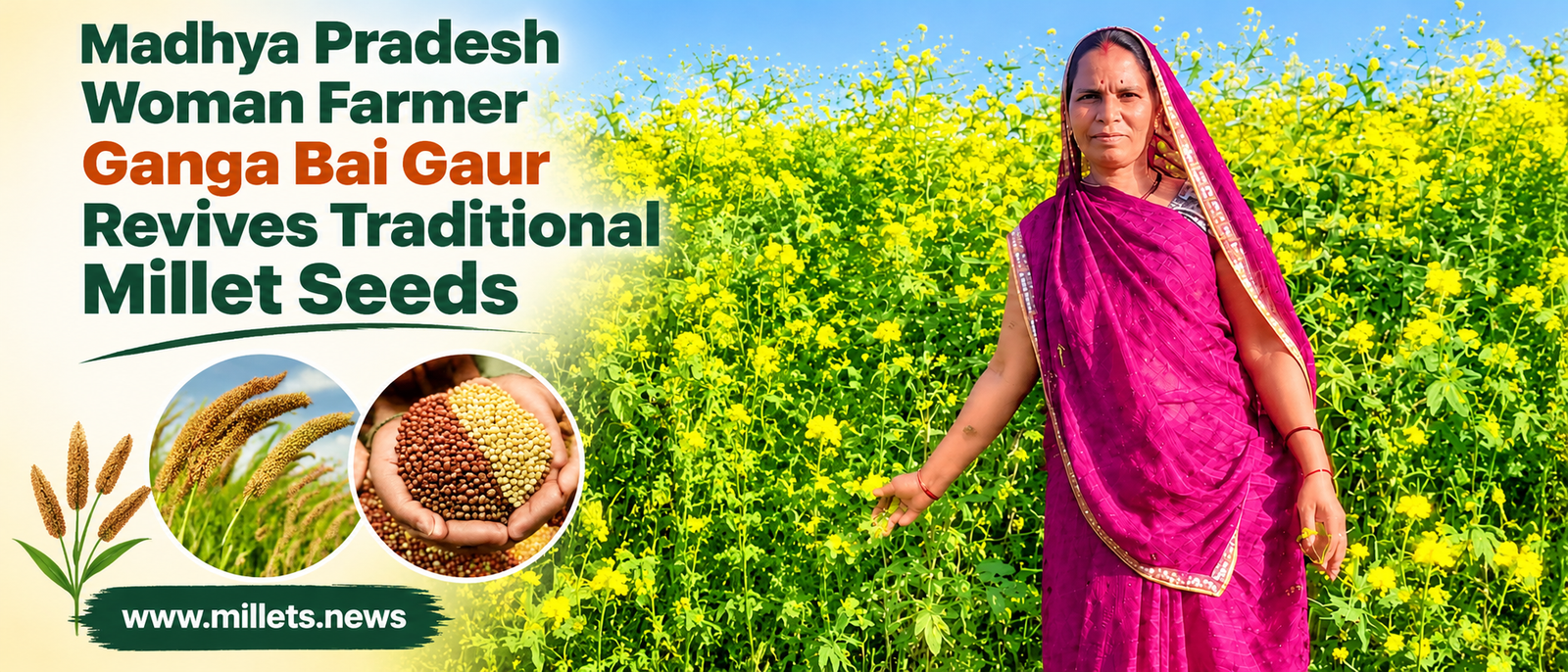
A woman farmer from Madhya Pradesh is working to preserve traditional millet varieties and indigenous agricultural knowledge by encouraging communities to return to crops that were once part of everyday rural life.
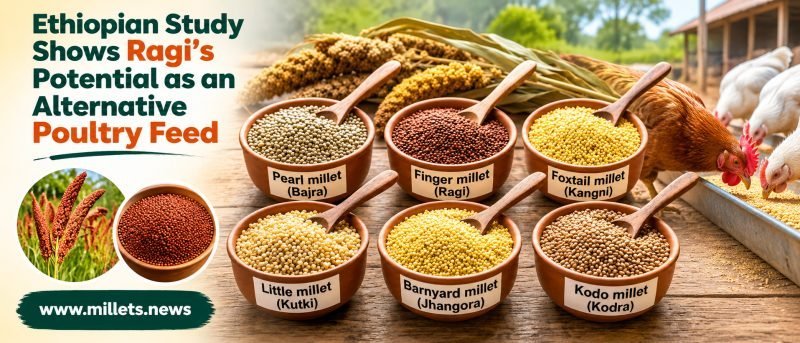
Ganga Bai Gaur, from Kalumar village in the Jabera development block of Damoh district, is involved in conserving seeds of traditional grains, including kodo millet, kutki or little millet, finger millet, pearl millet and foxtail millet.
Her work reflects growing concern about the disappearance of locally cultivated crop varieties as agricultural practices and food preferences change.
According to a report by Indian Masterminds, Gaur's interest in traditional grains developed through her understanding of the farming and food practices followed by earlier generations.
She observed that many younger people are no longer familiar with the crops once cultivated and consumed in their communities.
This loss of familiarity can affect both the continued cultivation of traditional grains and the knowledge required to preserve their seeds.
One of the challenges Gaur encountered was finding planting material for older crop varieties.
She recalled obtaining approximately 500 grams of seed from an old variety, which became an important starting point in her conservation efforts.
Her experience illustrates how difficult it can become to restore traditional crops when their seeds are no longer readily available.
Rather than preserving seeds only for her own farm, Gaur hopes to encourage other farmers to cultivate these grains and increase their availability within the community.
Her approach connects seed conservation with practical cultivation and household food use.
By encouraging farmers to grow indigenous grains again, she aims to maintain the agricultural knowledge associated with these crops and pass it to younger generations.
Traditional millets can contribute to dietary diversity and provide farmers with additional cropping options.
However, their continued cultivation depends on the availability of viable seeds, appropriate local farming knowledge and sustained interest among growers.
Gaur receives guidance and support from Manav Jeevan Vikas Samiti, based in Katni, which is associated with her initiative.
Her efforts also highlight the contribution of rural women to agricultural biodiversity conservation.
Women frequently participate in seed selection, storage, food preparation and the transmission of traditional knowledge within farming households.
These activities can be important for maintaining local crop diversity, particularly where traditional varieties are cultivated on a small scale.
For the millet sector, Gaur's work demonstrates that conservation involves more than storing seeds.
It also requires bringing traditional varieties back into cultivation and ensuring that farming communities continue to recognise their value.
The initiative offers an example of how individual farmers can contribute to protecting agricultural heritage through seed preservation, community participation and renewed cultivation of indigenous grains.
While the report does not provide verified figures for the total number of seed varieties conserved or farmers reached, it highlights a grassroots effort to prevent traditional millets from disappearing from local agriculture.
Ganga Bai Gaur's story reinforces the importance of maintaining indigenous crop diversity and preserving farming knowledge for future generations.