 By Admin
A women-led millet-processing initiative in Odisha's Jagatsinghpur district is demonstrating how agricultural training, appropriate machinery and community entrepreneurship can create new opportunities for rural livelihoods.
At the centre of the initiative is Tilottama Majhi, a member of the Maa Taratarini Women Self Help Group in Nunukua village, Kujang block.
Majhi's experience has been documented in a collection of women farmers' success stories, highlighting the contribution of small-scale food processing to agricultural value addition.
The enterprise received institutional support during 2022–23 from the ICAR-Central Institute for Women in Agriculture (ICAR-CIWA), Bhubaneswar, under a programme designed to strengthen livelihood opportunities.
The 11-member self-help group, led by president Pranati Tarai and secretary Tilottama Majhi, received technical assistance and processing equipment through the establishment of a Custom Hiring Centre.
The equipment included two mini rice mill-cum-pulverisers and two wet grinders, helping members undertake food-processing activities with reduced dependence on manual labour.
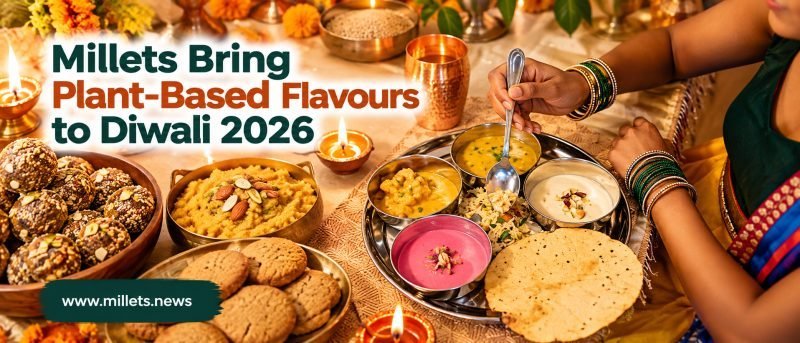
The group developed several millet-based products, including ragi mixture, cookies, aarisha, rose cake, sev and multigrain chhatu.
These foods combine traditional culinary practices with opportunities for processing and marketing value-added grain products.
According to the case study, the group sources raw materials from millet-producing districts of Odisha.
ICAR-CIWA also provided practical training in processing, packaging, branding and business management to improve product quality and market readiness.
Beyond millet products, the women have diversified their activities into small-scale rice milling and the preparation of other traditional foods.
Their livelihood activities also include crop cultivation, fisheries and dried-fish processing.
The enterprise illustrates the importance of providing rural women with access to machinery and technical knowledge.
Processing can be a major constraint in millet value chains because cleaning, grinding and preparing grain products often require considerable time and labour.
Appropriate equipment can help small enterprises expand the range of products they offer while improving consistency and reducing physical workload.
Odisha has also supported women's participation in millet entrepreneurship through its wider Shree Anna Abhiyan and Millet Shakti initiatives.
These programmes encourage self-help groups to participate in processing, food preparation, retailing and other activities across the millet value chain.
However, the achievements of Tilottama Majhi's enterprise should be distinguished from statewide programme outcomes.
The available case study does not establish a verified annual turnover, profit figure or number of permanent jobs created by her individual enterprise.
For the millet sector, the initiative demonstrates how women-led processing groups can contribute to rural enterprise development while introducing traditional grains into a wider range of food products.
The experience also highlights the value of combining institutional support with community participation, food-processing skills and locally relevant business opportunities.