 By Admin
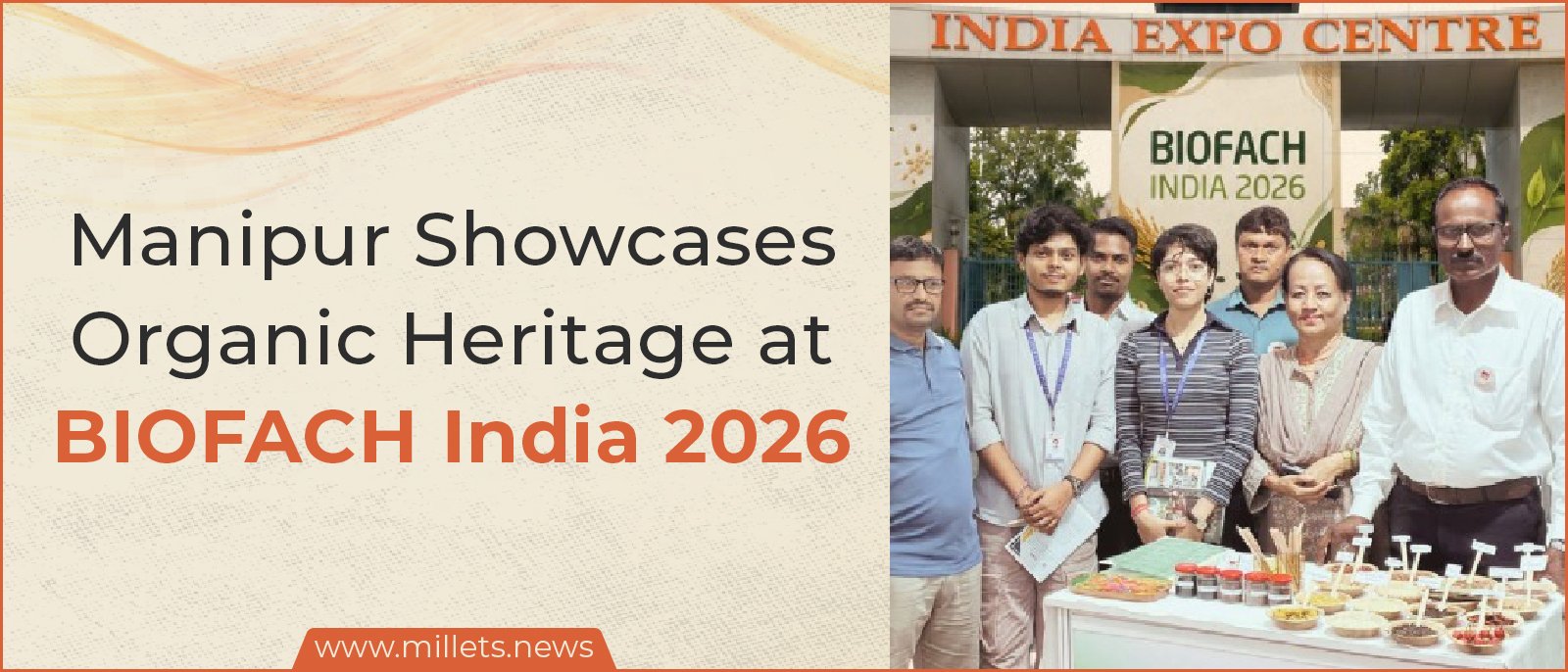
Manipur is bringing its rich agricultural heritage to a wider marketplace through its participation in BIOFACH India 2026 at Greater Noida. The Manipur Organic Mission Agency (MOMA) has established a dedicated state pavilion showcasing produce rooted in traditional farming systems. The participation highlights Manipur's potential to build stronger commercial opportunities around organic and indigenous foods.
The three-day exhibition, running from August 6 to 8, brings together stakeholders from India's expanding organic and sustainable food sectors. BIOFACH India is being organised alongside Natural Expo India and Millets India, creating a common platform for organic products, millets and sustainable agriculture. Around 150 stalls representing several Indian states are participating in the event.
Manipur's pavilion features distinctive agricultural products including GI-tagged Chakhao Black Rice and Sirarakhong Hathei Chilli. King chilli, ginger, turmeric, passionfruit, pineapple and Kachai lemon are among the other products being presented to visitors and potential buyers. Together, these products demonstrate the biodiversity and commercial possibilities associated with the state's traditional agricultural landscape.
The exhibition is also providing visibility to value-added foods developed by Self-Help Groups and Farmer Producer Organisations. Moving from raw agricultural commodities to processed and branded products can help rural enterprises capture greater value from locally grown produce. Such platforms can also introduce smaller producers to emerging consumer markets for traditional, natural and sustainably produced foods.
For Manipur's farmers and entrepreneurs, participation provides an opportunity to establish relationships with buyers, exporters and organised retail businesses beyond the state. Stronger market connections could help indigenous products reach larger domestic and potentially international markets. This is particularly important for smaller producers seeking reliable demand and better returns from speciality agricultural products.
The parallel presence of Millets India adds relevance for the broader millet sector by bringing organic farming, sustainable foods and traditional grains into the same commercial ecosystem. Such exhibitions can encourage collaboration between producers, processors, entrepreneurs and buyers while creating opportunities for millet-based businesses. They also demonstrate how indigenous crops can become part of modern sustainable food markets without losing their regional identity.