 By Admin
Namibia has introduced the Strategy for the Transformation of the Agri-food Sector (STAS) 2025/26–2030/31, an ambitious roadmap designed to increase agricultural growth by at least 6% annually and double the sector's contribution to the national economy by 2030.
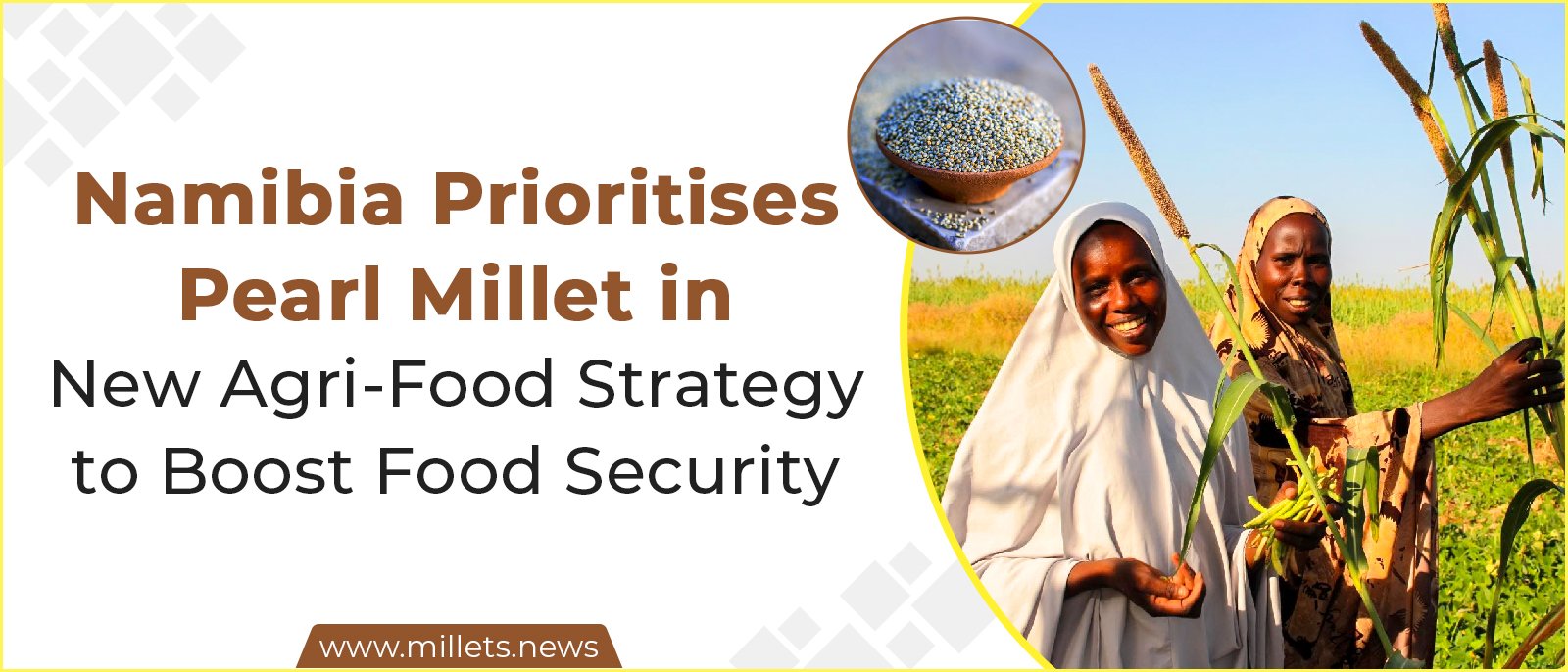
A major highlight of the strategy is the recognition of pearl millet (mahangu) as Namibia's priority agricultural commodity under the Food and Agriculture Organization's (FAO) One Country, One Priority Commodity (OCOP) initiative. The government plans to strengthen the entire mahangu value chain by increasing production, expanding processing capacity, promoting value-added products, and improving both domestic and international market access.
The strategy also aims to reduce Namibia's reliance on imported food by increasing local production to meet 60% of national food consumption by 2030. To achieve this, the government plans to expand irrigation infrastructure, improve agricultural productivity, encourage private sector investment, and modernize farming through technologies such as artificial intelligence, drones, precision agriculture, and automated irrigation systems.
In addition, the roadmap focuses on developing agribusinesses, improving livestock markets, supporting value addition, and creating employment opportunities. By placing pearl millet at the center of its agricultural transformation, Namibia is reinforcing the crop's importance for food security, climate resilience, rural livelihoods, and sustainable economic growth.