 By Admin
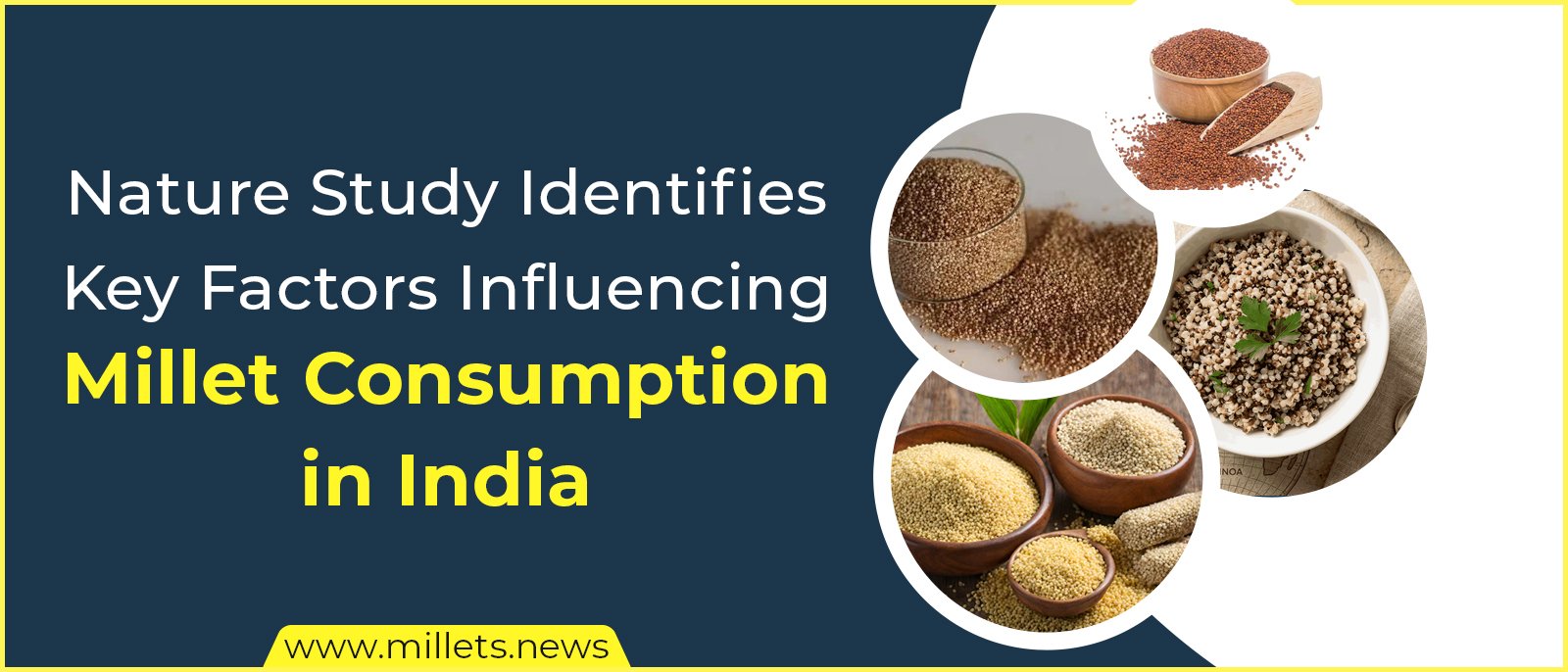
A new study published in Humanities and Social Sciences Communications, part of the Nature Portfolio, examines the factors that encourage or discourage millet consumption among Indian consumers. Using the Theory of Planned Behavior (TPB), researchers surveyed 500 millet consumers across India to better understand purchasing and consumption decisions.
The findings reveal that positive consumer attitudes, social acceptance, and the perceived ease of preparing and obtaining millet-based foods significantly influence people's intention to consume millets. These intentions, in turn, translate into higher levels of actual millet consumption.
The study also identifies important barriers to wider adoption. Consumers are less likely to embrace millets when they perceive difficulties in preparation, availability, affordability, or when they believe millet consumption is not socially familiar. These functional and social concerns reduce confidence in choosing millet-based foods.
Based on these insights, the researchers recommend targeted marketing and awareness campaigns that highlight the simplicity of cooking millets, improve product accessibility, and normalize millet consumption through stronger community engagement. The study suggests that addressing these behavioral factors could play an important role in expanding millet consumption and supporting India's nutrition and sustainability goals.