 By Admin
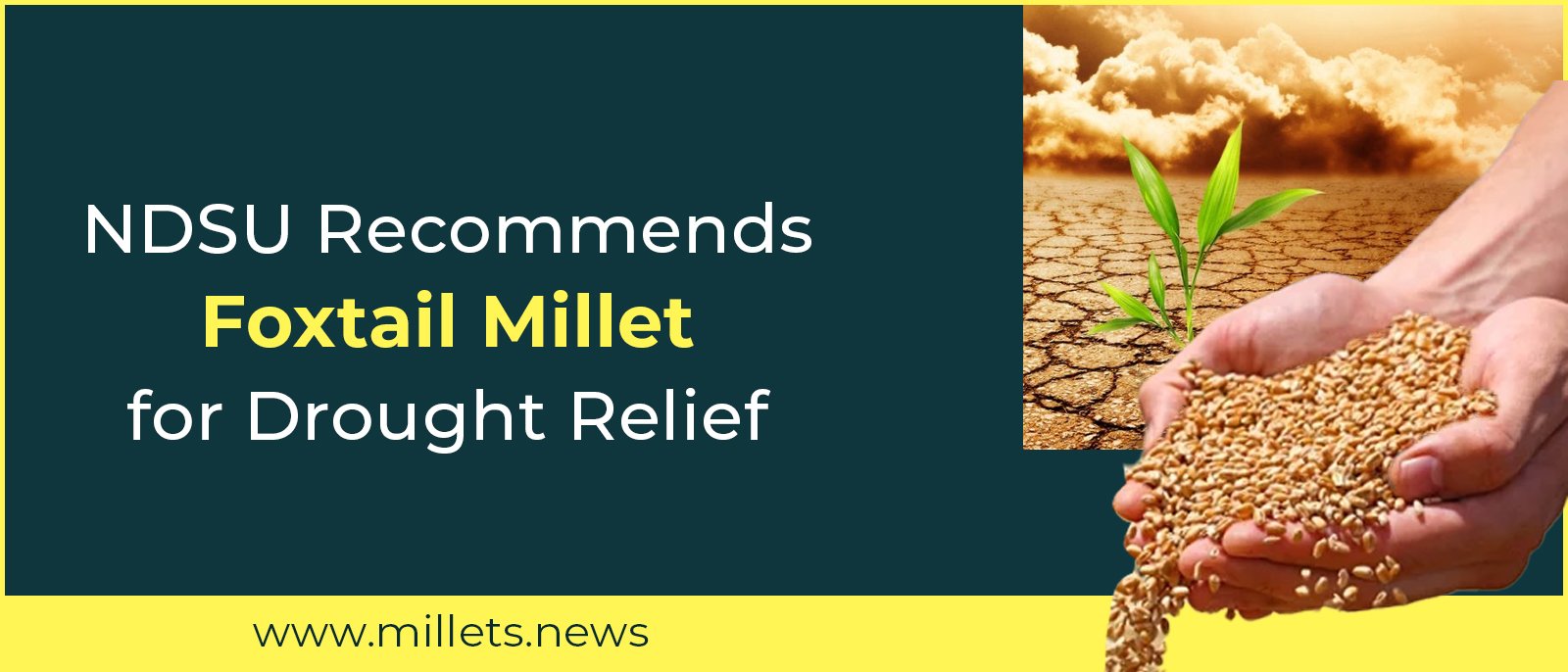
Livestock producers in North Dakota are being advised to consider foxtail millet as a supplemental forage option as drought and below-average spring precipitation have reduced forage availability across the state. According to North Dakota State University (NDSU) Extension specialists, many ranchers are facing shorter grazing seasons and lower pasture productivity due to drought stress.
To address the forage shortage, NDSU recommends foxtail millet as the preferred annual hay crop, with Siberian millet suggested for western North Dakota and German millet for central and eastern regions. These millet varieties are valued for their ability to produce forage under limited moisture conditions and can help maintain livestock feed supplies during dry periods.
The specialists also recommend planting diverse cover crop mixes for grazing to improve establishment success and forage quality while reducing the risk of crop failure. Ranchers are encouraged to carefully manage drought-stressed crops due to the potential risk of nitrate and prussic acid toxicity.
The recommendations highlight the important role of millets as drought-tolerant forage crops, helping livestock producers improve resilience and maintain feed availability during challenging weather conditions.