 By Admin
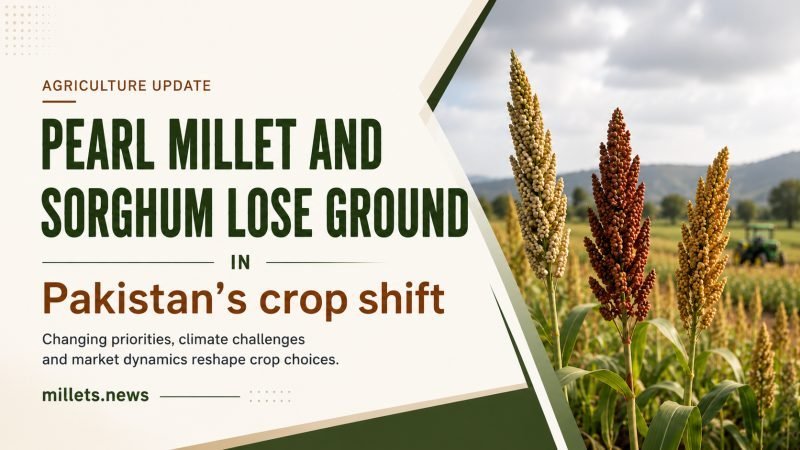
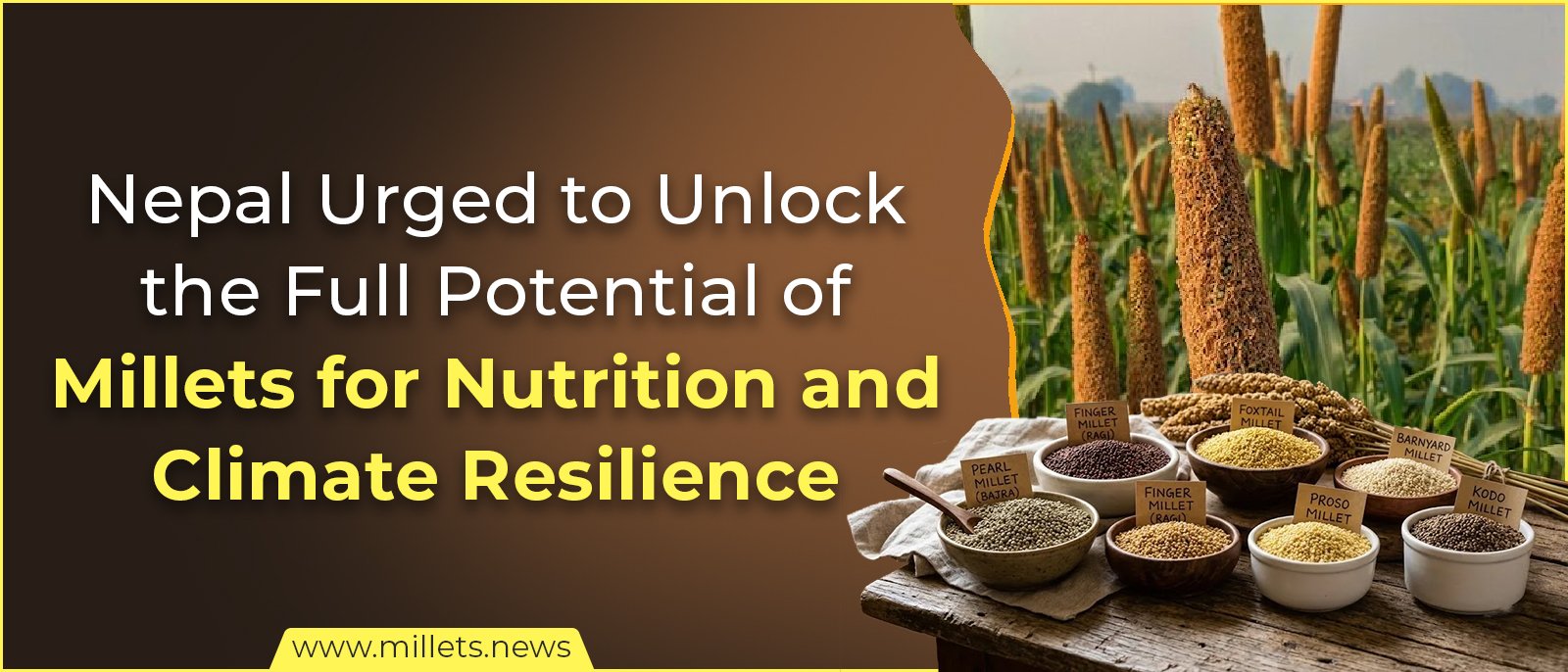
Millets are increasingly being recognised as nutrient-rich, climate-resilient crops that can strengthen food security and support sustainable agriculture. However, despite their many advantages, these traditional grains continue to receive limited attention in Nepal's agricultural and food systems.
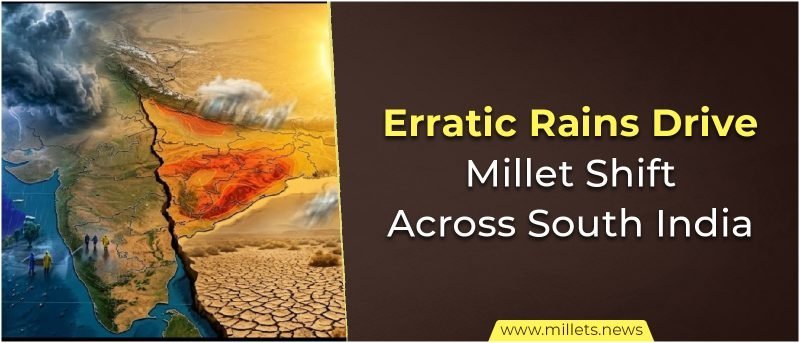
Experts point out that millets provide essential nutrients, require fewer agricultural inputs than many conventional cereals, and perform well under drought and changing climatic conditions. Their ability to grow in marginal environments makes them particularly valuable for strengthening the resilience of smallholder farming communities.
Although awareness of healthy and sustainable diets is increasing, millet cultivation has gradually declined due to changing food preferences, limited market access, inadequate policy support, and a stronger focus on rice and wheat production. Researchers believe that improving value addition, processing, consumer awareness, and market linkages could help revive millet production while creating better income opportunities for farmers.
Promoting millet-based foods, investing in processing technologies, and integrating millets into national food and nutrition programmes could help preserve traditional agricultural knowledge while supporting healthier diets and more climate-resilient food systems for future generations.