 By Admin
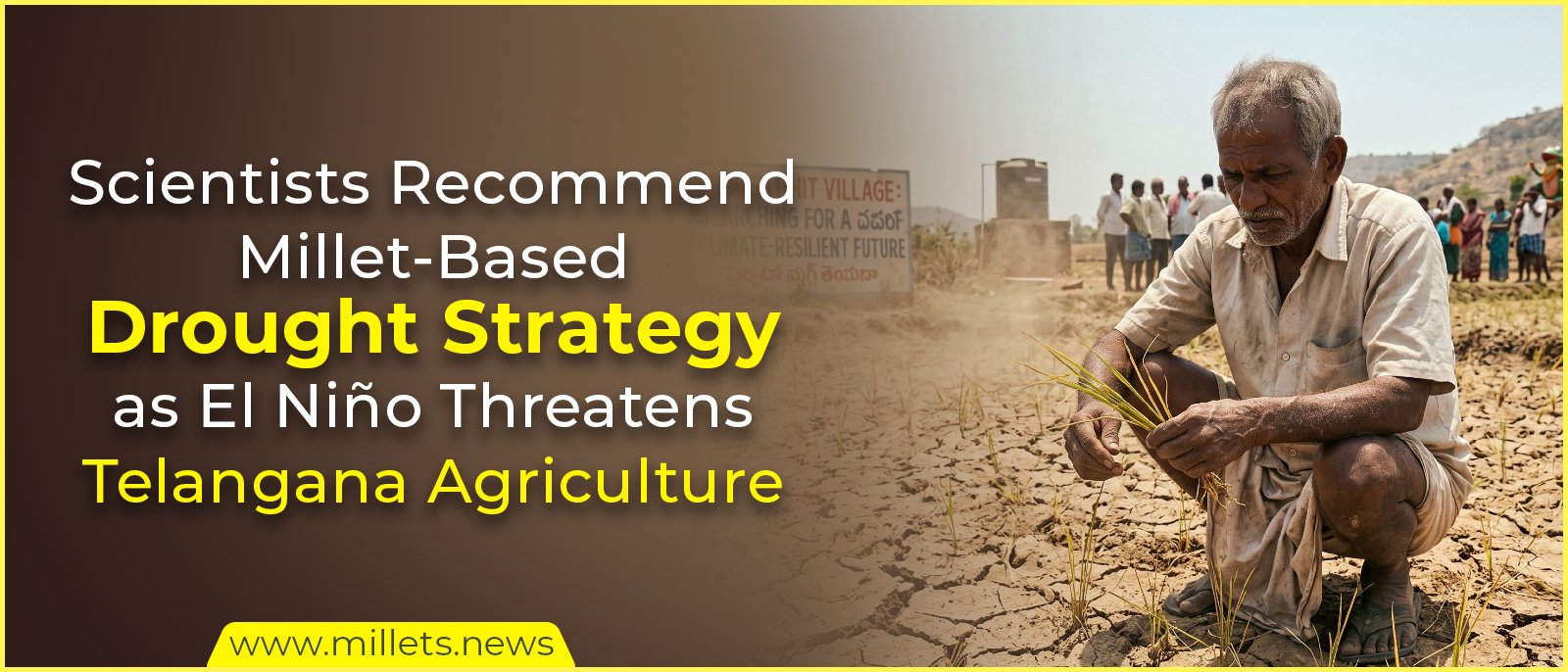
As Telangana prepares for the possible impacts of El Niño during the 2026 agricultural season, agricultural scientists are encouraging farmers to adopt drought-resilient cropping strategies that prioritize water conservation and climate adaptation. The recommendations are aimed at minimizing crop losses caused by delayed or below-normal rainfall.
Experts advise farmers to begin sowing only after sufficient soil moisture has accumulated rather than planting immediately after isolated rainfall events. They also recommend field preparation techniques such as Broad Bed and Furrow (BBF) or Ridge and Furrow systems to improve water retention, drainage, and crop establishment under uncertain weather conditions.
The advisory emphasizes reducing dependence on water-intensive crops in drought-prone areas and increasing the cultivation of climate-resilient alternatives. Millets, known for their low water requirements and adaptability to dry environments, are among the crops promoted for sustainable farming during erratic monsoon seasons. Alongside millets, farmers are encouraged to consider other short-duration crops suited to changing climatic conditions.
Scientists further recommend delaying fertilizer application until adequate soil moisture is available, ensuring nutrients are effectively utilized by crops. Regular intercultural operations, including weed management and soil moisture conservation practices, are also advised to improve crop survival during prolonged dry spells.
Climate experts warn that El Niño may lead to uneven rainfall distribution and extended dry periods across Telangana, making proactive crop planning essential. By promoting drought-tolerant crops such as millets and adopting improved agronomic practices, farmers can strengthen resilience against climate variability while protecting productivity and livelihoods.
As climate challenges become more frequent, the adoption of resilient cropping systems will play a key role in ensuring sustainable agriculture, food security, and long-term farm profitability across semi-arid regions.