 By Admin
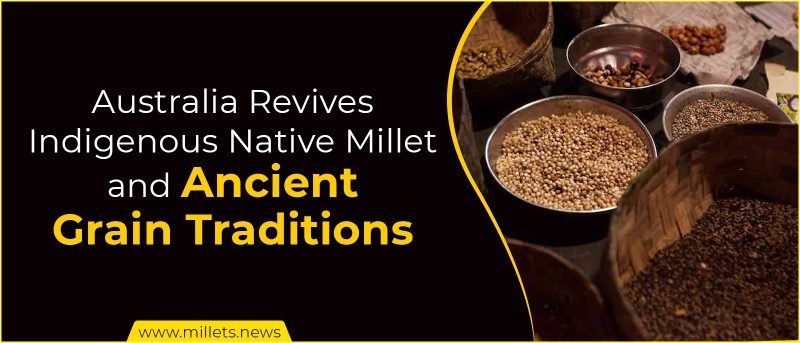
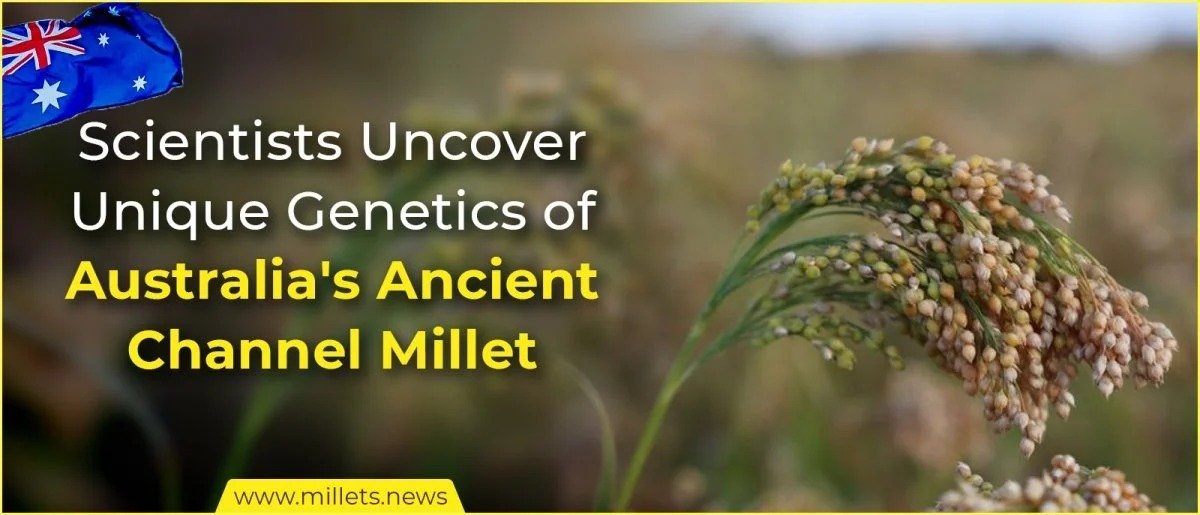
A new scientific study has revealed that channel millet, an ancient native grain traditionally harvested by the Mithaka people of Australia's Channel Country, possesses an exceptionally complex genome with 12 copies of each chromosome. Researchers believe this rare genetic characteristic may contribute to the plant's remarkable ability to survive extreme desert conditions and seasonal flooding.
For thousands of years, Aboriginal communities have relied on channel millet as a valuable food source, harvesting the grain from naturally occurring grasslands rather than cultivated farms. The research highlights how Indigenous knowledge has long recognized the importance of native grains in sustaining communities across Australia's challenging landscapes.
Scientists say the plant displays several traits commonly associated with domesticated crops despite never undergoing formal agricultural domestication. Its unique genetic makeup could provide important clues for breeding future cereal crops that are more resilient to drought, flooding, and climate variability.
The findings reinforce the growing global interest in native grains and millets as sustainable food sources. By combining modern genomic research with traditional ecological knowledge, researchers hope to unlock new opportunities for developing climate-resilient agriculture while preserving Indigenous food heritage.