 By Admin
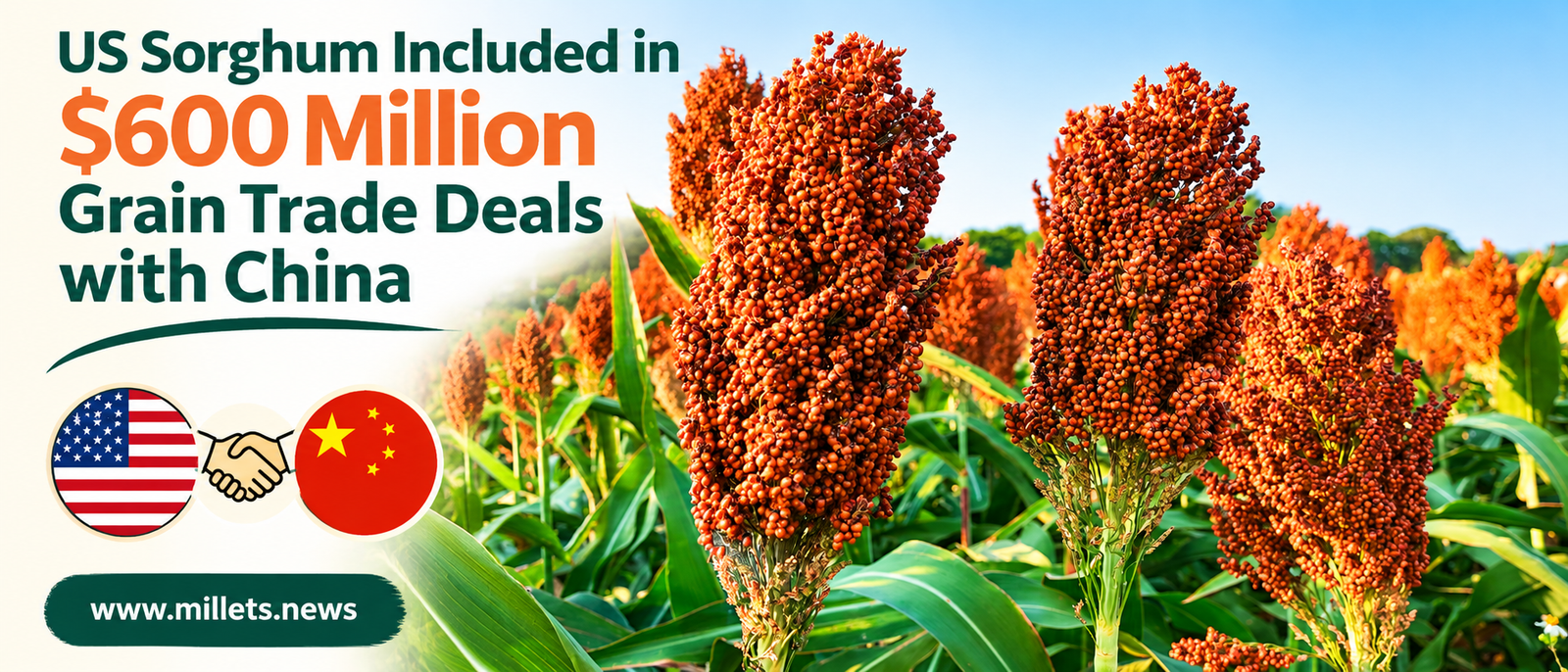
A new series of grain sales agreements between American exporters and Chinese buyers has brought renewed attention to the international sorghum market, offering a potential boost to US farmers facing uncertain export demand.
On November 6, 2026, Illinois-based trading company Hang Tung Resources signed agreements worth approximately US$600 million for the sale of American sorghum and wheat to Chinese buyers.
The agreements were signed during the China International Import Expo in Shanghai, an event bringing together international suppliers and Chinese importers.
According to Reuters, the participating Chinese buyers include Xiamen C&D Commodities, Shanghai Shouyu Commercial Management and Xiamen Mingsui Grains & Oils Trading.
The announcement represents a potentially important development for American sorghum growers, who have faced fluctuating demand from China and increasing competition from other grain-exporting countries.
China has historically been one of the most important international destinations for US sorghum, which is used in animal feed and other industrial and food applications.
However, trade tensions, tariff policies and changing market conditions have created uncertainty for American exporters.
The latest agreements come amid broader concerns about China's agricultural purchases from the United States.
A Reuters analysis published earlier in November indicated that Chinese purchases of American agricultural goods other than soybeans remained below levels anticipated under previously announced trade commitments.
For the US sorghum industry, the new agreements offer a possible opportunity to strengthen export activity.
The National Sorghum Producers, an industry organisation representing American growers, welcomed the announcement while emphasising the need for actual purchases and completed shipments.
The organisation has been advocating for more dependable market access to China and stronger long-term trade commitments.
Its representatives have engaged with policymakers, agricultural trade organisations and Chinese buyers to encourage renewed demand for American sorghum.
The association has also raised concerns about growing competition from Brazil, which has expanded its presence in China's sorghum import market.
Brazil's increasing participation creates additional pressure on US exporters to maintain competitive prices and reliable supply arrangements.
Although the announced agreements have a combined value of US$600 million, the figure covers both sorghum and wheat.
The companies have not publicly disclosed how much of the total agreement relates specifically to sorghum.
Similarly, the quantity of sorghum involved and the expected shipment schedule remain unknown.
These distinctions are important because announced agreements do not necessarily establish the value of completed exports or the timing of physical grain deliveries.
For farmers, the commercial significance will depend on how the agreements translate into confirmed orders, shipments and sustained demand.
The development also highlights the importance of international trade relationships for the sorghum industry.
Export demand can influence grain marketing opportunities, farm revenues and decisions about future crop production.
For China, imported sorghum provides an additional feed-grain option alongside corn and other cereals.
The November 6 agreements therefore represent a potentially encouraging development for the US sorghum sector, but their long-term impact remains uncertain.
For the global millet and sorghum industry, the announcement illustrates how international trade policies, competition and grain-buying decisions can shape markets for traditional and climate-resilient cereal crops.
The next important indicators will be the disclosure of sorghum-specific purchase volumes and evidence that the agreements result in actual shipments.