 By Admin
Sudan's prolonged conflict and deteriorating agricultural conditions are putting increasing pressure on the country's millet and sorghum supplies, contributing to exceptionally high staple-food prices and worsening food insecurity.
According to an FAO assessment reported by People Daily, 19.5 million people were projected to experience Crisis-level or worse acute food insecurity between February and May 2026. Around 5 million were classified at Emergency level, while 135,000 were in the Catastrophe category.
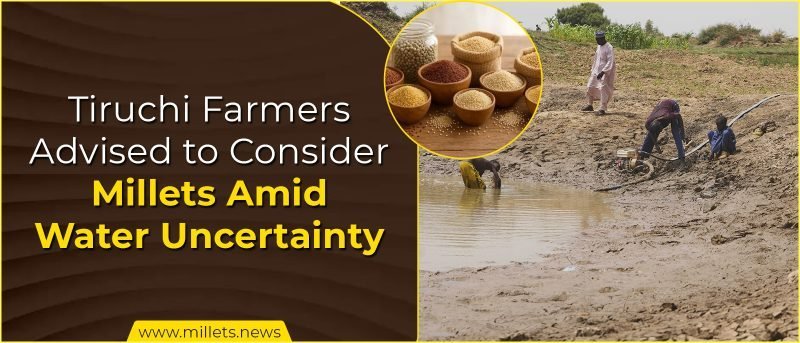
Agricultural conditions have become particularly concerning ahead of Sudan's 2026 cereal harvest. Below-average rainfall during the June–September rainy season affected crop establishment across important production regions.
Sennar and Gedaref, which together normally account for approximately 25% of Sudan's sorghum production, recorded significant rainfall shortages. FAO's Agricultural Stress Index indicated severe drought conditions affecting as much as 55% of cropland in Sennar and 70% in Gedaref as of September.
These pressures follow an already difficult 2025 season. Sudan produced an estimated 5.2 million tonnes of sorghum, millet and wheat, 22% below 2024 production and 19% below the previous five-year average.
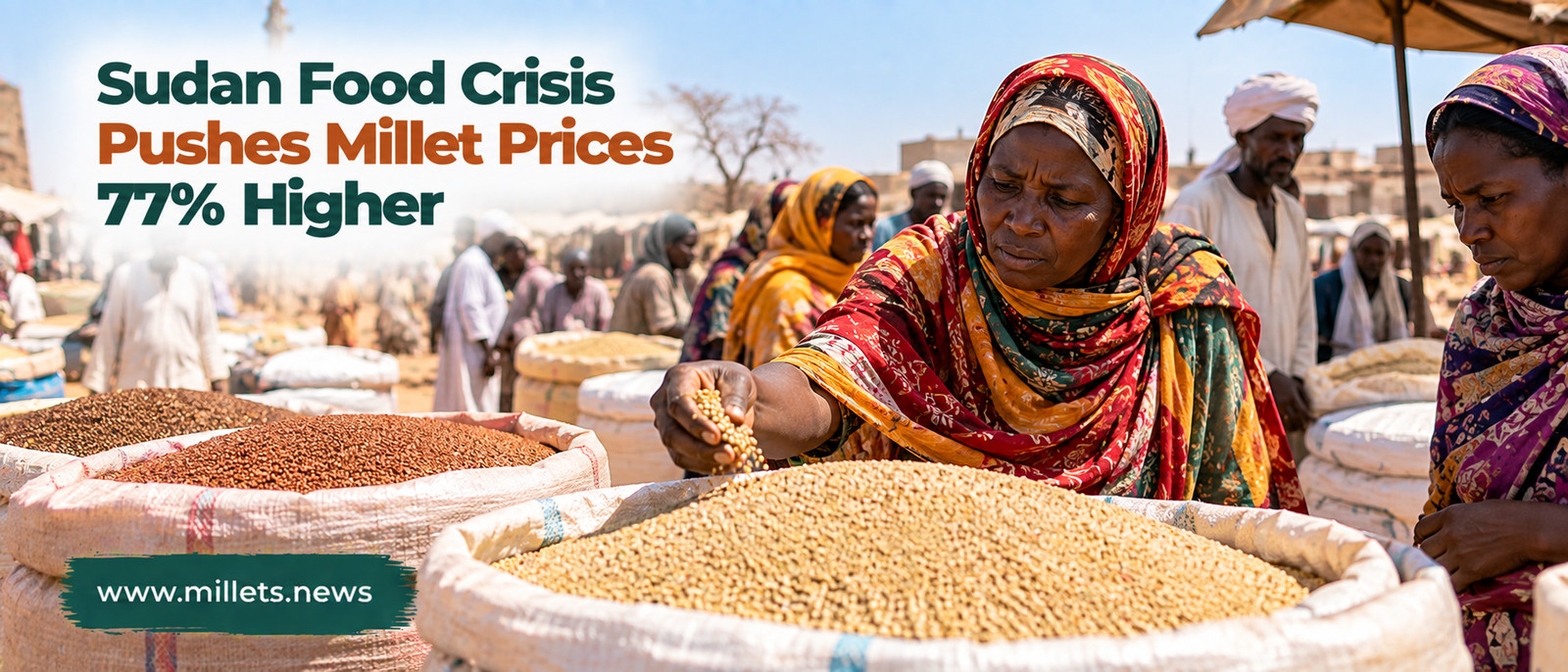
Consumers are also confronting rapidly increasing grain prices. Between January and August 2026, millet prices increased by an average of 77%, while sorghum prices more than doubled in most monitored markets. In August, millet prices were 68% above their level a year earlier.
Conflict has compounded the agricultural challenges by restricting farmers' access to fields, disrupting trade and increasing the costs of fuel and other essential inputs. Millions of displaced people are particularly vulnerable to these pressures.
For Sudan, where millet and sorghum remain important staple cereals, falling production combined with higher prices illustrates how even relatively drought-adapted crops can come under severe pressure when climatic stress coincides with conflict and disruption to agricultural markets.