 By Admin
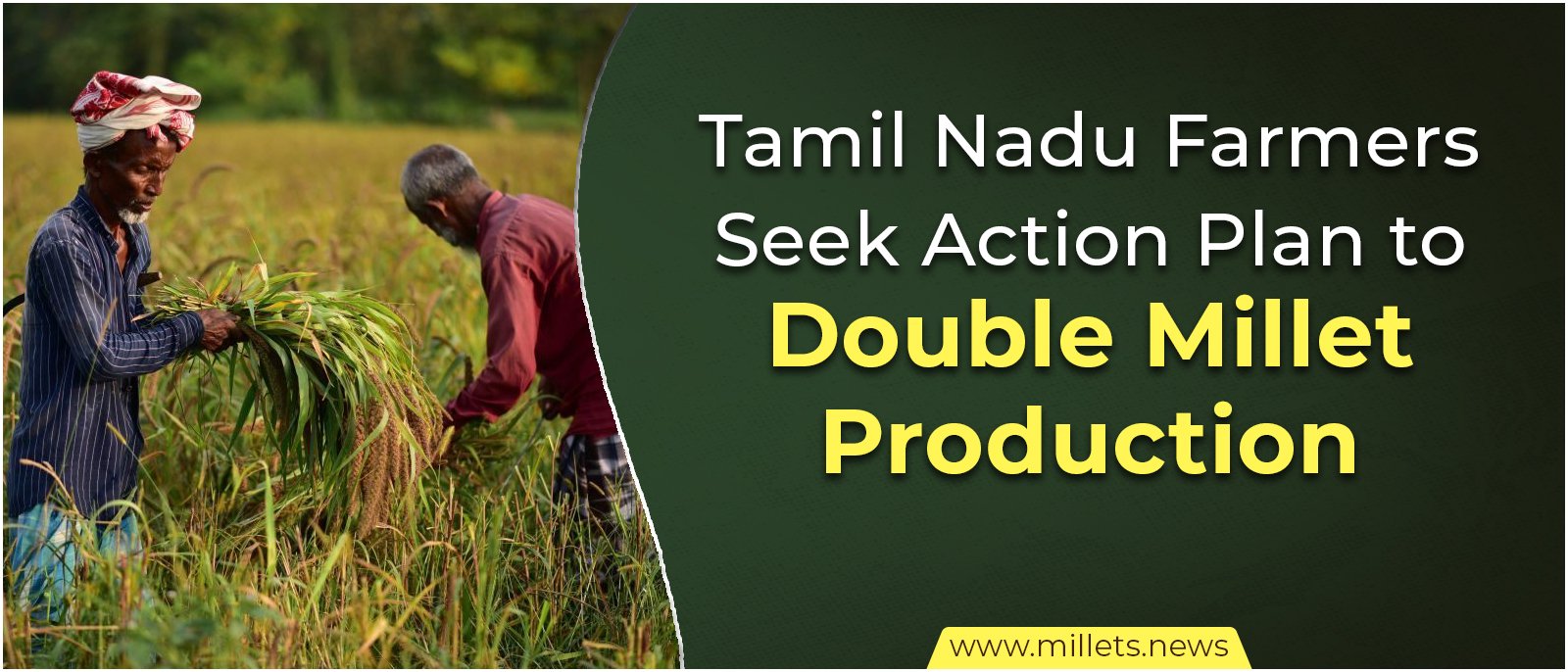
Farmers in Tamil Nadu are calling for a comprehensive strategy to accompany the state government's plans to expand millet and minor-millet cultivation. While welcoming greater attention to these climate-resilient grains, growers say production cannot increase substantially without reliable markets and adequate infrastructure. They believe stronger support across the value chain is essential to make millet farming economically attractive.
The concerns follow a state agriculture budget proposal to expand cultivation under millet and minor-millet missions, with ₹71.42 crore earmarked for the initiatives. Farmers argue that investment should also address practical difficulties after harvesting. Processing facilities capable of handling threshing, husking and grading at scale remain particularly important for improving efficiency and reducing dependence on manual operations.
Market access is another major concern for producers. Farmers point out that paddy benefits from established government procurement mechanisms, while millet growers often have fewer dependable channels through which to sell their harvest. Without assured buyers, producers may have to rely on private traders and accept prices that do not adequately compensate for labour and production expenses.
Farmers also highlighted the financial and environmental challenges surrounding millet cultivation. Although millets generally require less water than paddy, growers may still need supplementary irrigation depending on local conditions. Falling groundwater levels have already discouraged some farmers from cultivating millets, demonstrating that drought resilience does not completely eliminate the need for effective water management.
One proposed solution is to strengthen institutional demand for millet. Farmers suggested direct government procurement followed by supplying millet foods through hospitals, school nutrition programmes and fair-price shops. Such arrangements could provide growers with more predictable markets while simultaneously expanding public access to nutritious millet-based foods.
Tamil Nadu's experience highlights an important challenge for millet expansion across India: increasing cultivation must be accompanied by market development. Processing infrastructure, procurement systems, credit access and reliable demand can give farmers greater confidence to allocate land to millets. Connecting production targets with these measures could help turn millet promotion into a sustainable long-term opportunity for farmers.