 By Admin
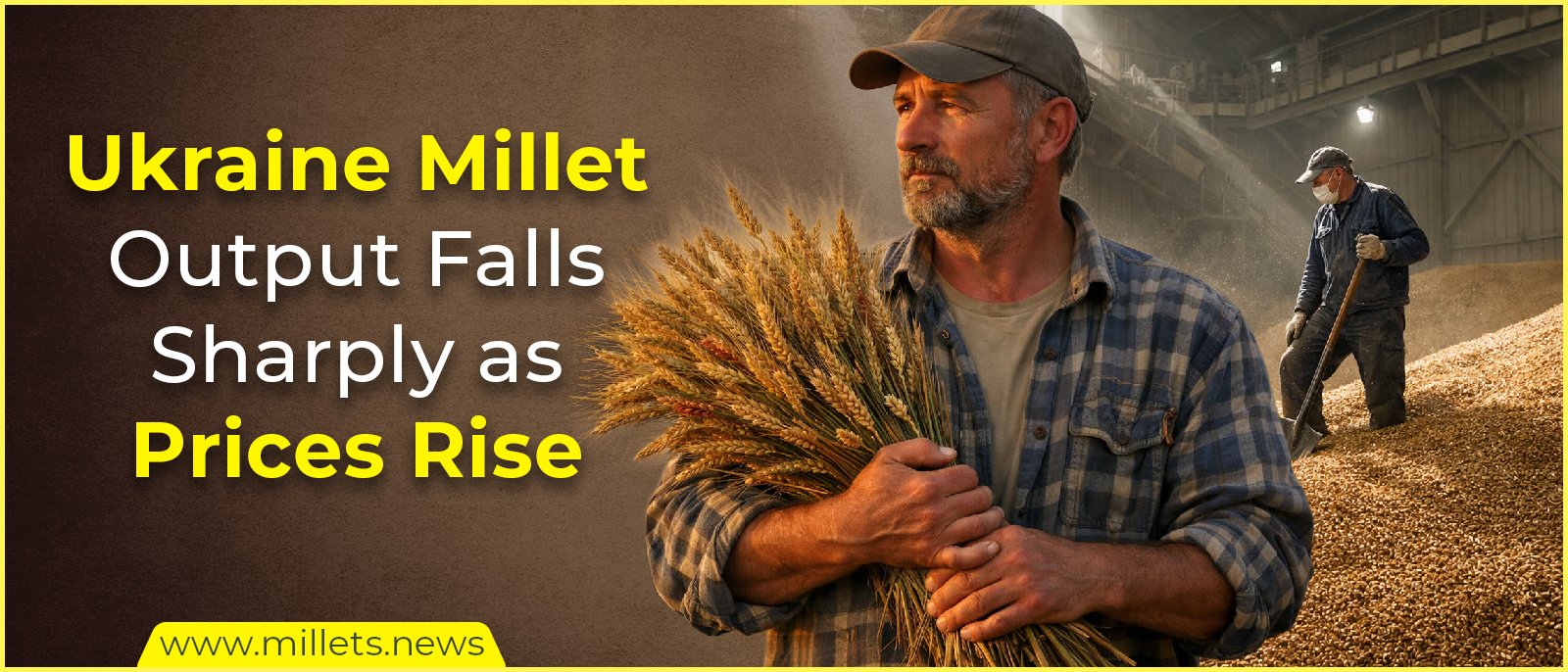
Ukraine’s millet market is facing increasing pressure following a substantial contraction in domestic production. Industry analysis presented at the Grain Processing Forum 2026 indicates that millet output has declined almost threefold and is now estimated at approximately 60,000 tonnes. The reduction is beginning to influence market availability and pricing across the country.
Despite the steep decline, current millet volumes are considered adequate to meet the requirements of Ukraine’s food-processing industry. However, analysts are already observing indications of tighter availability. If production remains constrained, the balance between domestic processing demand and available grain could become increasingly important for the market.
The decline in production has also translated into higher millet prices. According to Andriy Kupchenko, the average selling price reached a record of nearly UAH 8,800 per tonne based on 2025 results. The upward movement demonstrates how reduced agricultural output can quickly influence the economics of millet processing and consumption.
Millet is not the only cereal experiencing supply pressure in Ukraine. Buckwheat production has fallen to 70,800 tonnes, down 37.7% from the previous season, while barley production has also been gradually declining. These developments are contributing to broader concerns over the availability and affordability of commonly consumed cereal products.
The situation is particularly noteworthy because earlier forecasts had already anticipated additional increases in Ukrainian cereal prices during 2026. Production costs, energy expenses, logistics, weather conditions and crop yields have all been identified as factors capable of influencing domestic food prices.
For Ukraine’s millet sector, the sharp production decline underlines the importance of maintaining sufficient cultivation to support both processors and consumers. Stronger production incentives, efficient processing and stable market channels could become increasingly important if farmers are to maintain millet acreage while responding to changing economic conditions.
From an international perspective, Ukraine’s experience also demonstrates the importance of millet supply resilience. Although the grain is frequently promoted for its agronomic adaptability, sustainable millet value chains depend on farmers having adequate economic incentives to continue production alongside competing crops.
The coming production cycles will therefore be important for determining whether Ukraine’s millet supply stabilises or continues contracting. A sustained decline could create additional upward price pressure, while renewed production would help strengthen availability for processors and preserve millet’s place within the country’s cereal market.