 By Admin
Zimbabwe's agriculture sector is projected to grow by 6.9% in 2026, supported by favourable weather conditions, expanded government investment, and improved agricultural support programmes. The country's mid-term budget review highlights continued efforts to strengthen crop production, irrigation, extension services, and climate-resilient farming systems.
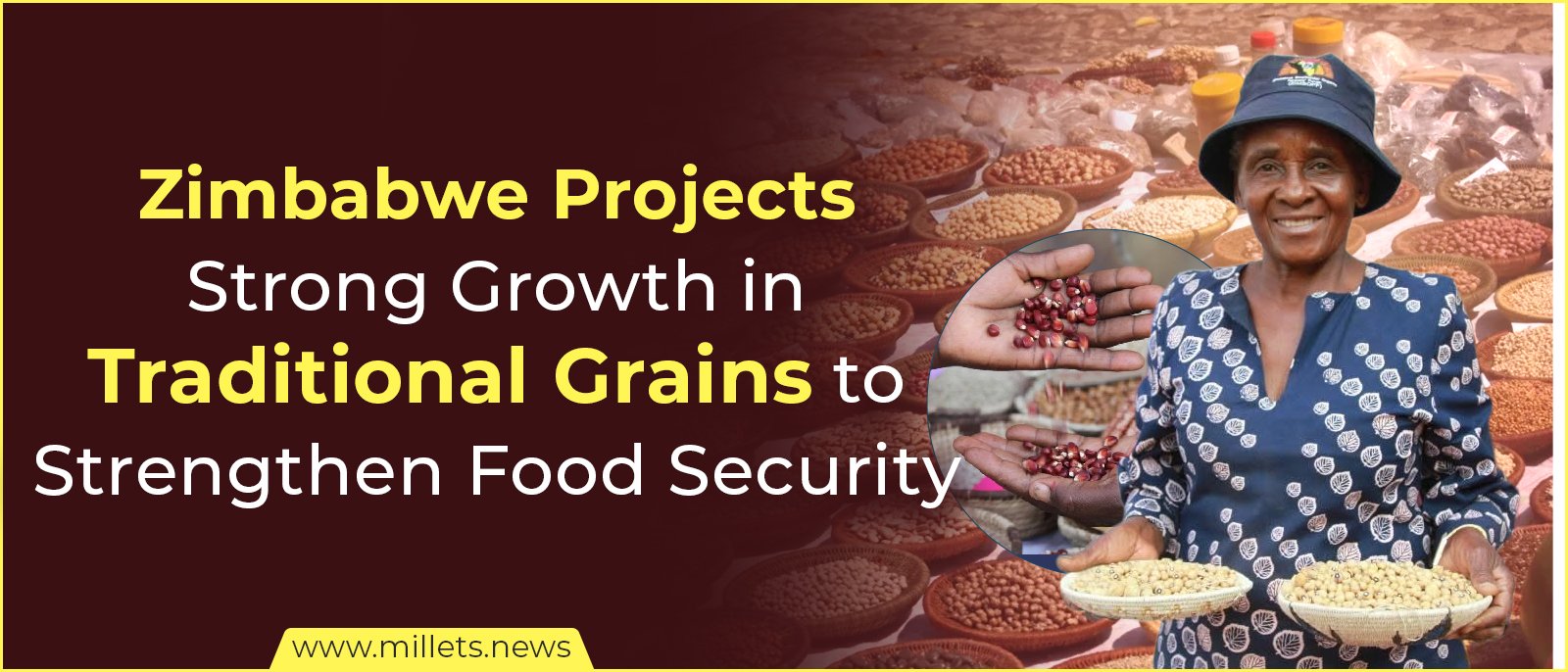
Traditional grains are expected to play an increasingly important role in this growth. Production is forecast to reach more than 390,000 metric tonnes, including significant output of sorghum, pearl millet and finger millet. The government considers these crops essential for improving food security, particularly in drought-prone regions where they perform better than many conventional cereals.
The report also notes that investments in farmer support programmes, improved seed distribution, veterinary services, and agricultural extension are helping strengthen the resilience of the farming sector. Together with adequate rainfall, these measures are expected to enhance crop productivity and increase national cereal availability.
By promoting climate-resilient traditional grains alongside broader agricultural development, Zimbabwe aims to improve food security while reducing vulnerability to climate variability and strengthening rural livelihoods.