 By Admin
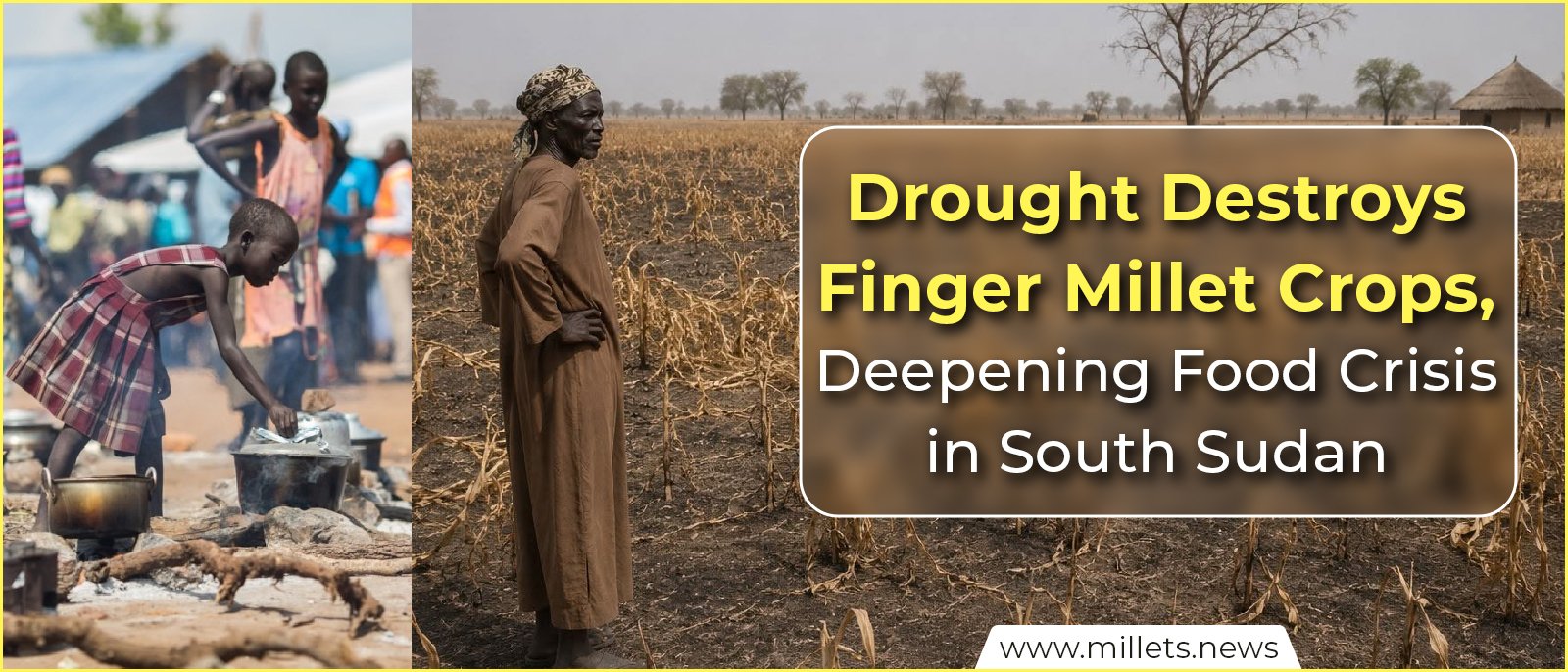
A prolonged drought has severely affected farming communities in Lafon and the Imehejek Administrative Area of South Sudan's Eastern Equatoria State, destroying crops and worsening food insecurity. Farmers report that months of inadequate rainfall have devastated fields just before harvest, leaving many households without sufficient food or income.
Among the crops hardest hit is finger millet, a vital staple for many rural families. Sorghum, maize, and sweet potatoes have also suffered extensive losses, reducing food availability and increasing concerns over hunger across affected villages. The destruction of these climate-dependent crops has forced some families to leave their homes in search of food and assistance.
Local farmers and community leaders have appealed for urgent government and humanitarian support, warning that continued drought could deepen the crisis. They are calling for emergency food assistance, agricultural recovery programmes, and measures to help farmers prepare for future planting seasons.
The situation highlights the growing challenges climate variability poses to millet-producing regions across Africa. While finger millet is generally considered a resilient crop, prolonged and severe drought can still lead to significant production losses, threatening livelihoods and regional food security.