 By Admin
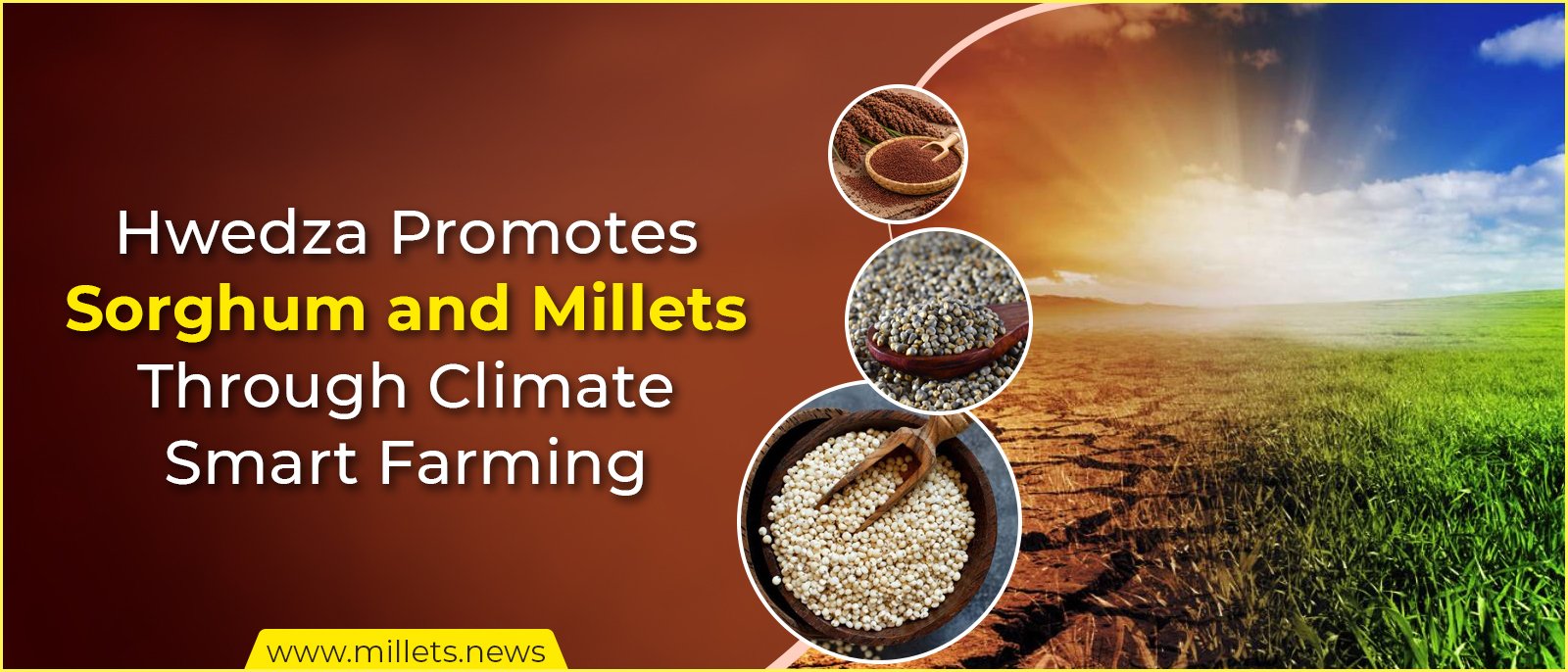
Farmers in Zimbabwe's Hwedza district are strengthening preparations for the 2026–27 agricultural season by adopting conservation farming practices and incorporating traditional grains into their cropping systems.
The initiative comes amid concerns about possible El Niño-related drought conditions that could affect agricultural production and household food supplies.
According to The Herald, the district launched its Presidential Pfumvudza/Intwasa Programme for the new agricultural season in Pfende Village.
The programme encourages farmers to use carefully managed plots, early land preparation, mulching and other soil conservation practices to improve agricultural resilience.
A major component of Hwedza's local strategy is the promotion of traditional small grains alongside maize.
District agricultural business advisory officer Tetiwe Mupakwe explained that the target is for every household to establish at least three Pfumvudza maize plots and one plot dedicated to sorghum, pearl millet or finger millet.
This approach aims to diversify household grain production and reduce reliance on a single staple crop.
Sorghum and millets are particularly relevant in agricultural regions experiencing irregular rainfall because suitable varieties can tolerate relatively dry growing conditions.
However, their performance depends on local soil conditions, crop management, rainfall patterns and the varieties selected.
The programme launch took place at the home of farmer Gladis Ndlebe, whose property operates as a Farmer Field School.
The site includes eight demonstration plots, allowing farmers to observe conservation farming techniques, including infiltration pits.
AFC Commercial Bank manager and farmer Kufa Kufakunesu encouraged households to follow recommended agricultural practices and maximise production from relatively small areas of land.
He highlighted the importance of preserving grass for mulching rather than burning it.
Mulching helps protect the soil surface, reduce moisture loss and contribute organic material as plant residues decompose.
Farmers were also encouraged to begin preparing their plots before the arrival of seasonal rains.
Village lead farmer Lynah Chifamba described how she had started collecting and preparing mulching grass months ahead of the planting season.
Her experience illustrates the importance placed on early preparation within the Pfumvudza system.
Officials from Zimbabwe's Grain Marketing Board also encouraged farmers to market surplus grain through established channels and contribute to national food reserves.
The district initiative forms part of Zimbabwe's broader preparations for anticipated climate-related agricultural challenges.
In October, the government announced a national drought-response plan incorporating climate-smart production, strategic grain reserves, agricultural financing and other measures.
For the millet sector, Hwedza's programme demonstrates how traditional grains can be incorporated into local agricultural planning rather than promoted only through awareness campaigns.
The inclusion of sorghum, pearl millet and finger millet in household cropping targets creates an opportunity to strengthen crop diversification.
Nevertheless, the programme's effectiveness will depend on actual adoption, seasonal rainfall, crop yields and access to appropriate agricultural inputs.
The reported targets should not be interpreted as completed plantings or evidence of increased millet production.
Hwedza's preparations illustrate the growing importance of integrating traditional grains with practical conservation agriculture strategies to support rural food security.