 By Admin
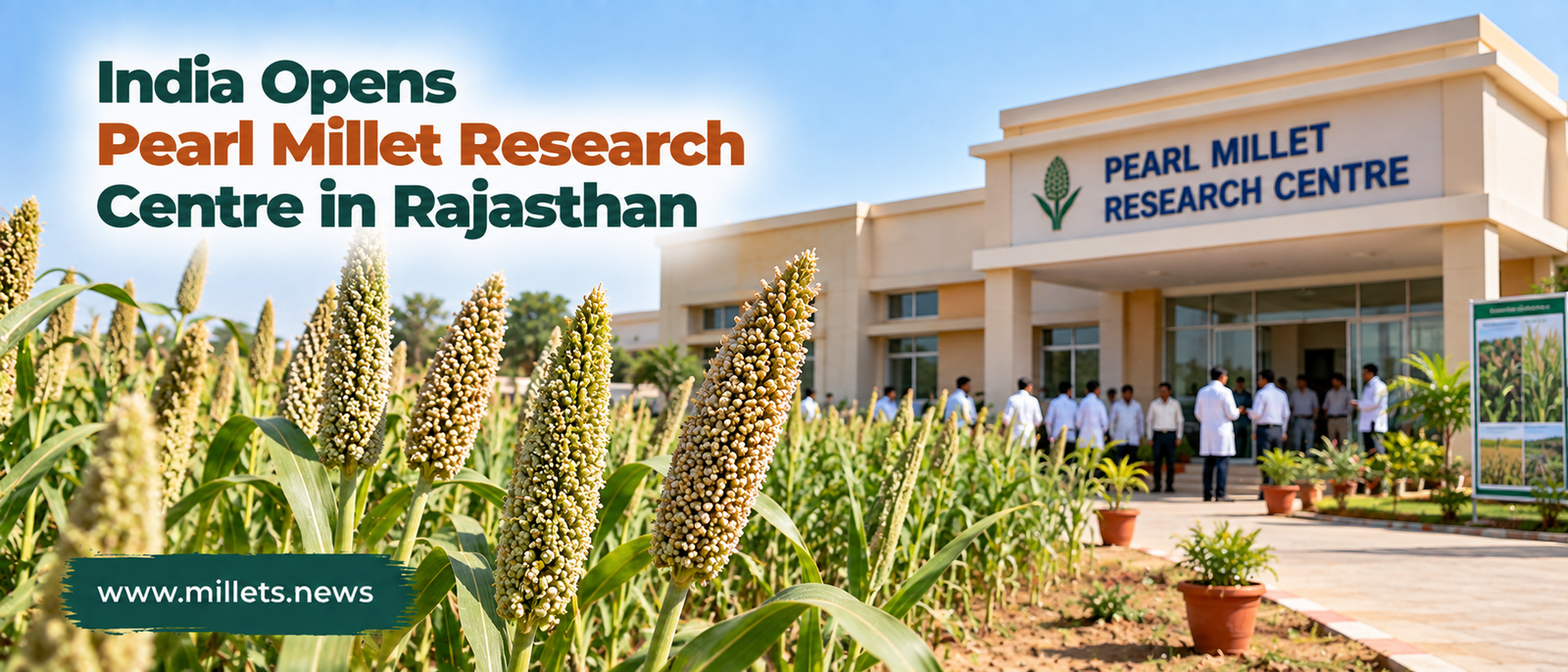
India has expanded its research infrastructure for pearl millet with the inauguration of the Regional Pearl Millet Research Centre at Gudamalani in Rajasthan's Balotra district.
Union Minister of State for Agriculture and Farmers' Welfare Bhagirath Choudhary inaugurated the administrative and laboratory building on September 27. Senior representatives from ICAR, the Indian Institute of Millets Research, agricultural institutions and the farming community participated in the programme.
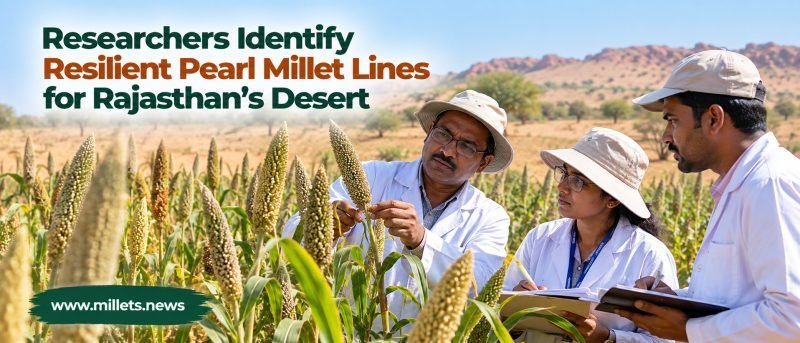
The centre is designed to advance research specifically suited to the dry climatic conditions of western Rajasthan. Its work will include developing drought-resistant pearl millet varieties, improved hybrids, quality seed and better crop-management practices for arid farming systems.
Rajasthan provides an important setting for such research because it is India's largest pearl millet-producing state. According to figures reported during the inauguration, the state produces about 3.75 million tonnes, accounting for roughly 42% of India's pearl millet production. National cultivation covers approximately 9.8 million hectares, with production of around 9.4 million tonnes.
The facility includes laboratories and research farm areas where different pearl millet hybrids developed across India are being cultivated. This will allow scientists to evaluate their performance under local conditions and give farmers opportunities to observe varieties that may be appropriate for their farms.
The research centre currently has a team of five scientists. It is also expected to strengthen direct interaction between researchers and farmers, helping agricultural technologies and improved cultivation practices reach producers more effectively.
The inauguration was accompanied by the Pearl Millet Farmers' Conference 2026 and an agricultural exhibition. Farmers interacted with scientists and agricultural institutions on issues related to cultivation, improved varieties and production technologies.
The centre could be particularly important for pearl millet growers in Barmer, Balotra, Jalore and surrounding districts, where high temperatures, limited rainfall and arid conditions make climate-resilient crop research especially relevant.
By bringing dedicated pearl millet research closer to one of India's largest production regions, the Gudamalani facility could support the development and field adoption of varieties and farming practices better suited to increasingly challenging dryland conditions.