 By Admin
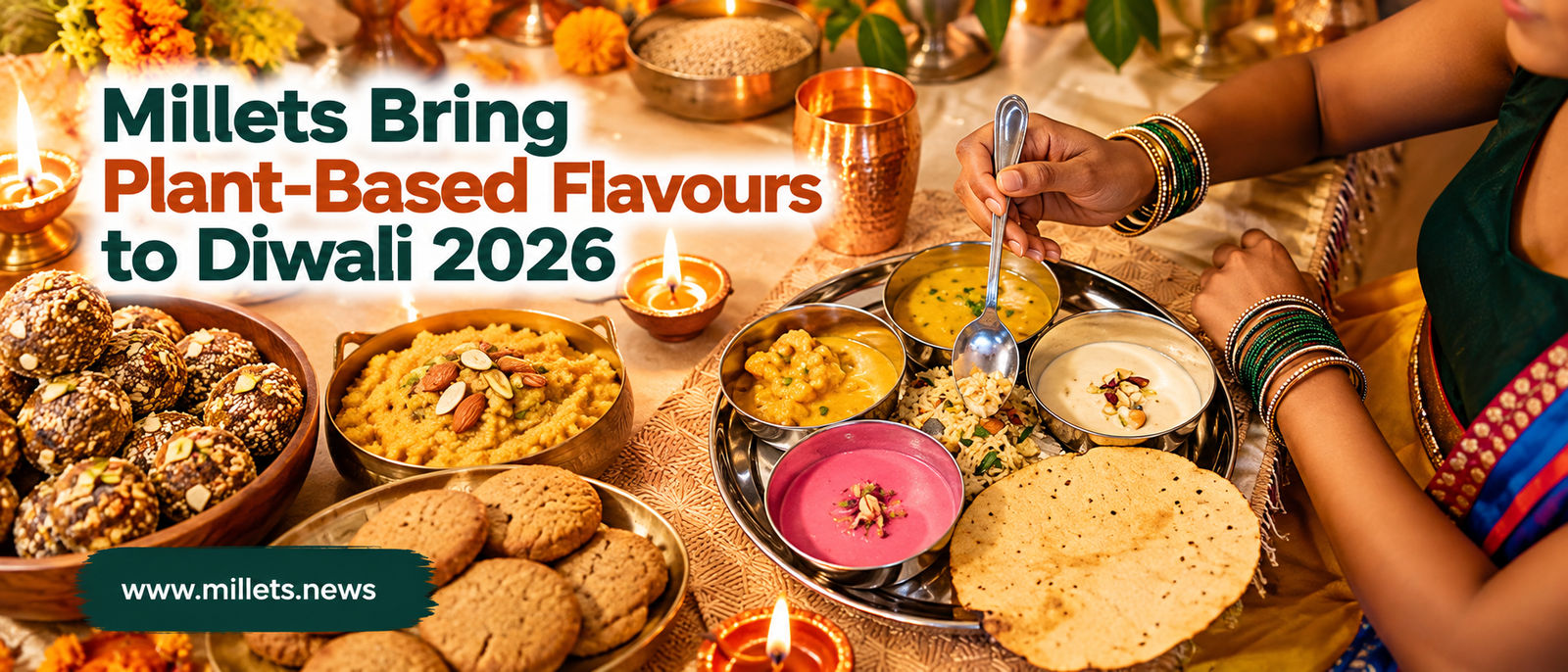
As Diwali approaches, traditional Indian grains are gaining renewed attention for their versatility in festive cooking. Finger millet, barnyard millet and foxtail millet are among the heritage ingredients being explored for plant-based recipes that combine familiar flavours with contemporary food preferences.
The discussion comes ahead of World Vegan Day on November 1, highlighting how India's long-established food traditions offer a variety of naturally plant-based ingredients.
Traditional Millets in Festive Cooking
Millets have been cultivated and consumed across India for generations. Their distinctive flavours and textures make them suitable for a wide range of preparations, from savoury dishes to festive sweets.
Foxtail millet can be used to prepare traditional halwa, while finger millet flour is suitable for dishes such as ragi manni. Millet-based laddoos, cookies and puddings also provide opportunities to experiment with different ingredients and cooking methods.
These preparations can be adapted for vegan diets by replacing dairy products with suitable plant-based alternatives.
Nutrition and Culinary Versatility
Millets contribute dietary fibre and various nutrients to everyday meals. Finger millet is particularly recognised for its calcium content, although nutritional composition varies by variety and processing method.
Their versatility allows households to incorporate traditional grains into familiar festive recipes without abandoning regional culinary preferences.
However, the nutritional quality of a finished dish also depends on ingredients such as added sugar, oils and portion sizes.
Combining Millets with Traditional Ingredients
Alongside millets, Indian festive cooking draws on ingredients such as indigenous pulses, sesame seeds, coconut, nuts and aromatic spices.
These ingredients can complement millet-based recipes by adding flavour, texture and nutritional variety. Coconut milk, nut-based preparations and plant-derived oils can also help create dairy-free versions of traditional sweets.
Preserving Food Heritage
The renewed interest in millets reflects a broader appreciation for India's traditional food diversity.
By introducing millet-based dishes into festive menus, home cooks and food businesses can help maintain awareness of indigenous grains while exploring new culinary possibilities.
Millets also offer agricultural advantages in suitable growing conditions, with several varieties adapted to relatively dry environments.
As families prepare for Diwali, millet-based festive foods provide an opportunity to celebrate traditional ingredients through creative, plant-based cooking.