 By Admin
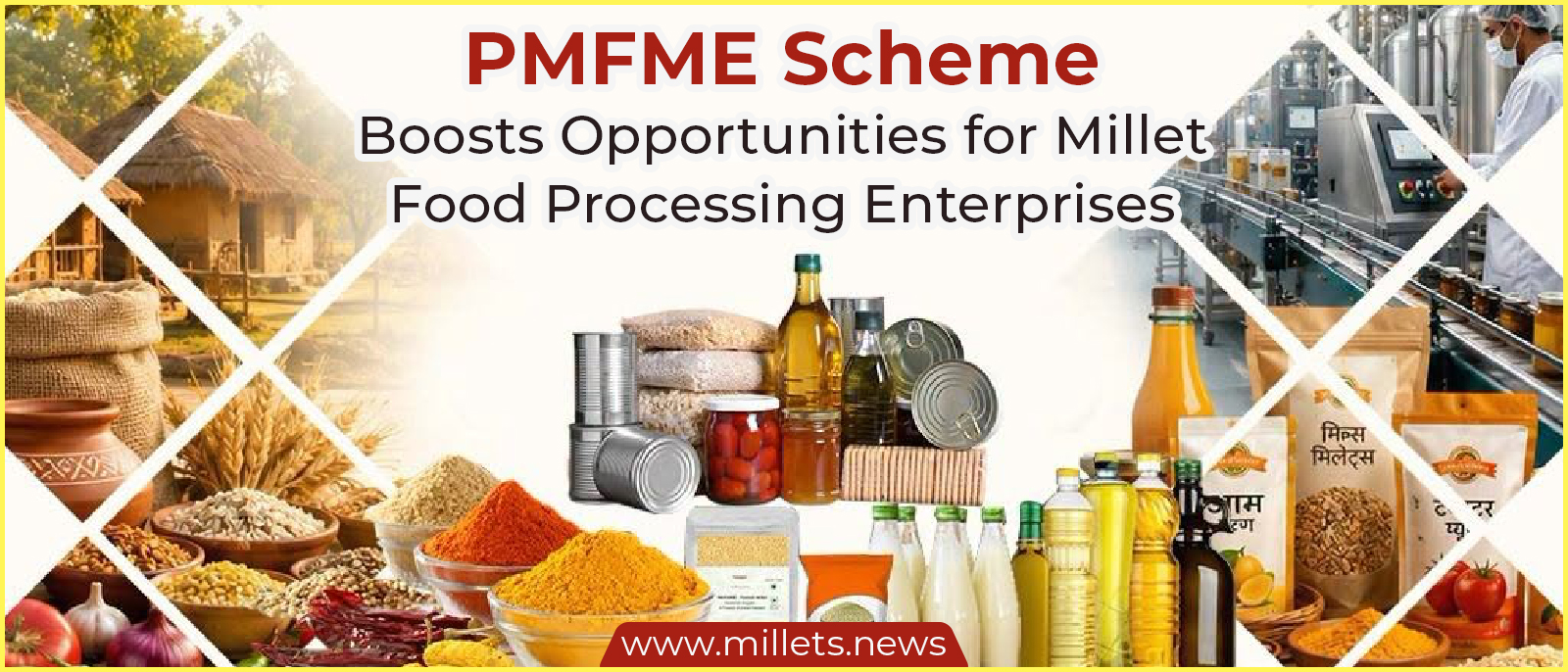
India's Pradhan Mantri Formalisation of Micro Food Processing Enterprises (PMFME) Scheme has crossed the milestone of supporting more than 2 lakh credit-linked beneficiaries, strengthening the country's micro food processing sector and creating fresh opportunities for millet-based enterprises. The programme has also leveraged investments exceeding ₹20,300 crore, reflecting growing confidence in India's food processing ecosystem.
Launched to modernize and formalize small food processing businesses, the PMFME Scheme provides financial assistance, technical support, branding, marketing, and skill development for micro enterprises. Individual entrepreneurs can receive a 35% credit-linked capital subsidy (up to ₹10 lakh), while FPOs, SHGs, cooperatives, and producer companies are eligible for support to establish common processing infrastructure.
The scheme has been particularly successful in encouraging first-generation entrepreneurs. According to official information, nearly 90% of beneficiaries are first-time entrepreneurs, around 44% are women, and thousands of enterprises have entered the formal economy through registrations such as Udyam, FSSAI, and GST.
For the millet sector, the programme offers significant potential. Small processors can establish or expand units producing millet flour, ready-to-cook mixes, breakfast cereals, snacks, bakery products, beverages, and other value-added foods. Financial assistance also helps improve packaging, branding, food safety standards, and market access, enabling local businesses to compete in domestic and international markets.
The scheme's One District One Product (ODOP) approach encourages districts to develop products based on local agricultural strengths. In millet-growing regions, this creates opportunities to build localized value chains, increase demand for locally produced grains, and generate higher incomes for farmers through processing and branding.
As consumer demand for nutritious and sustainable foods continues to rise, investment in millet processing can contribute to healthier diets while supporting rural employment and entrepreneurship. Strengthening processing capacity also reduces post-harvest losses and enables farmers to capture greater value from their produce.
The continued expansion of the PMFME Scheme demonstrates the growing importance of micro food processing in India's agricultural economy. By supporting innovation, formalization, and value addition, the programme is helping build a stronger ecosystem for millet entrepreneurs and positioning India to meet increasing demand for healthy, climate-resilient food products.