 By Admin
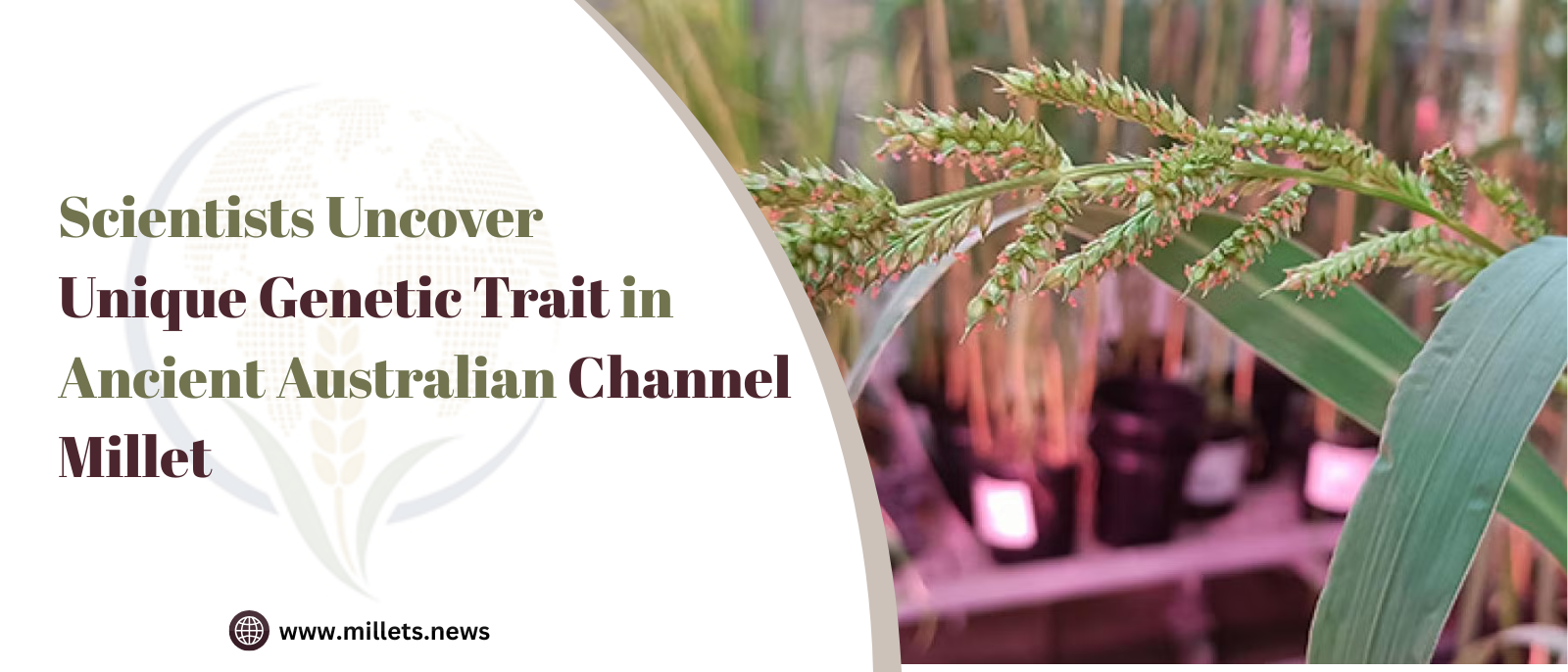
Researchers have identified an unusual genetic characteristic in channel millet (Echinochloa turneriana), a native Australian grain traditionally harvested by the Mithaka people for thousands of years. Genome analysis revealed that the plant possesses 12 copies of each chromosome, a rare form of polyploidy often associated with domesticated crops such as wheat and rice.
The findings suggest that this complex genetic structure may help the plant survive the extreme cycles of flooding and drought common in Australia's Channel Country. Scientists believe the additional chromosome sets contribute to the crop's vigour and resilience, enabling it to recover quickly after floods and persist through prolonged dry periods.
The research also points to the possibility that thousands of years of Aboriginal harvesting, storage, and management influenced the plant's evolution. Channel millet exhibits traits such as reduced seed shattering—commonly associated with domesticated crops—even though it was never formally cultivated using conventional farming methods.
The study highlights the value of combining Indigenous knowledge with modern genomics to better understand native food plants. Researchers believe these insights could support future crop improvement programmes aimed at developing climate-resilient grains for sustainable agriculture.