 By Admin
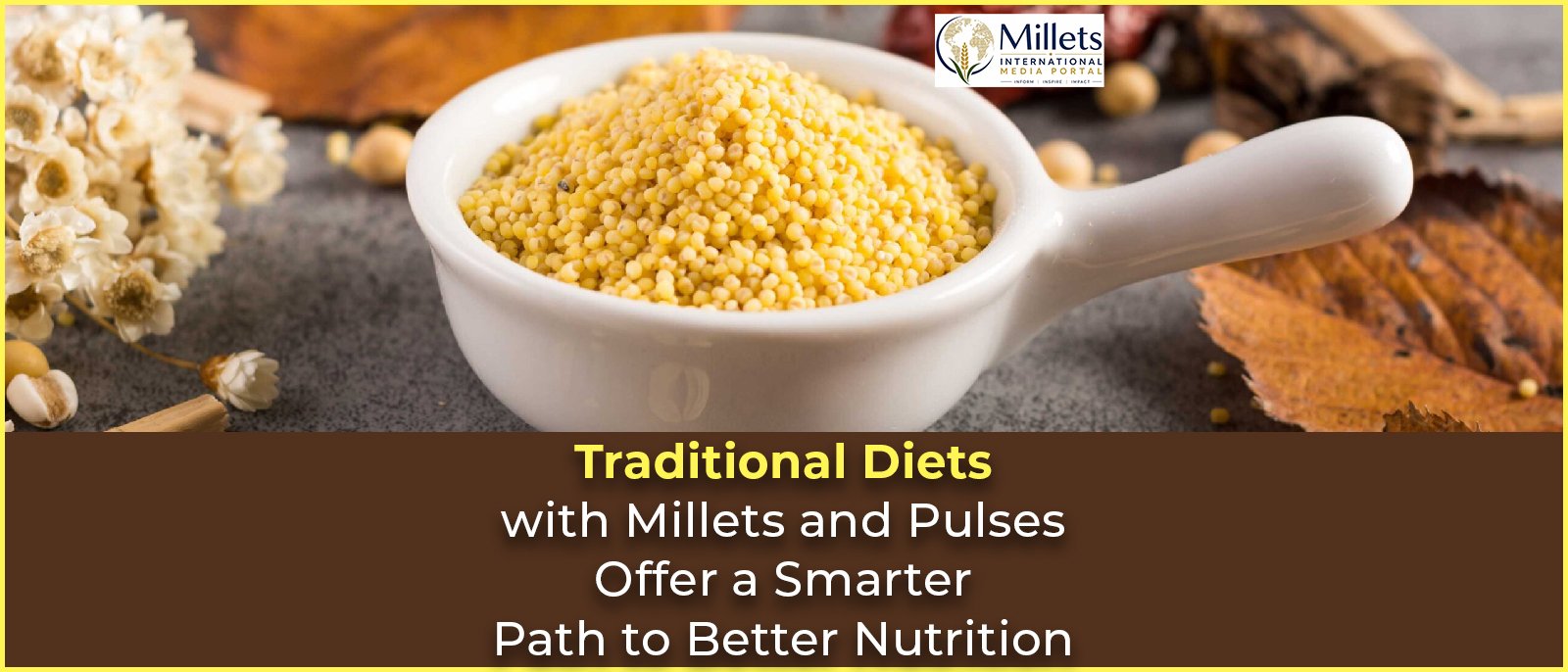
India's traditional food culture is receiving fresh recognition as nutrition experts encourage greater consumption of wholesome staples such as pulses and millets. These foods have long been valued for their rich nutrient content, affordability, and ability to support balanced diets.
Pulses provide an excellent source of plant-based protein, dietary fiber, vitamins, and minerals, making them an essential component of everyday meals. When paired with nutrient-dense grains like millets, they offer a balanced combination of protein, complex carbohydrates, and essential micronutrients that support overall health.
Millets, including finger millet, pearl millet, foxtail millet, and sorghum, are naturally rich in fiber, antioxidants, calcium, iron, and other nutrients. Their resilience to drought and lower water requirements also make them environmentally sustainable crops, helping farmers adapt to changing climate conditions.
Experts believe that encouraging people to return to traditional food habits can improve nutrition while supporting sustainable agriculture. Increasing the consumption of locally grown crops such as pulses and millets can strengthen food security, diversify farming systems, and reduce dependence on highly processed foods.
As awareness of healthy eating continues to grow, the combination of millets and pulses presents an opportunity to promote nutritious, affordable, and climate-friendly diets for consumers worldwide.