 By Admin
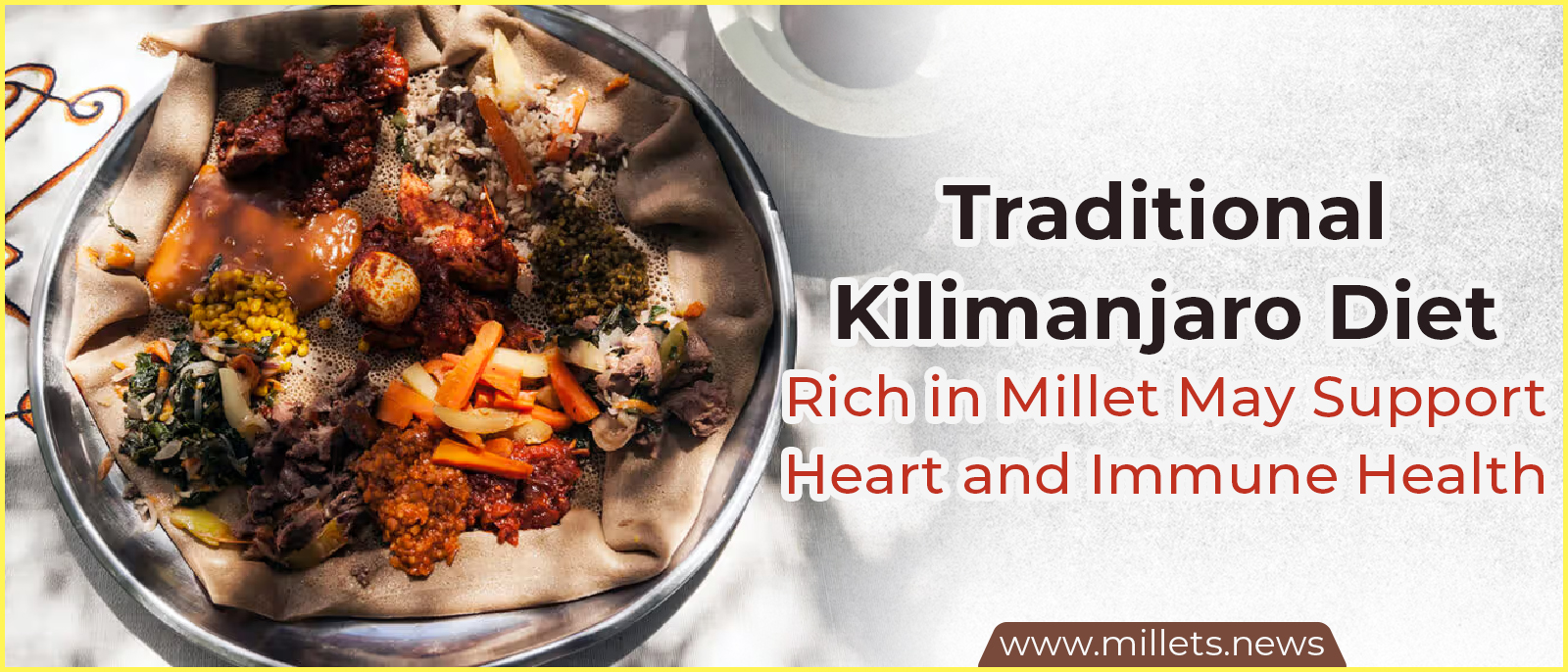
A traditional diet from Tanzania's Kilimanjaro region is drawing international interest for its potential health benefits. Recent research suggests that replacing a typical Western diet with a heritage-style eating pattern rich in whole, unprocessed foods can help reduce inflammation and improve metabolic health.
The Kilimanjaro diet includes nutrient-rich foods such as finger millet, sorghum, beans, plantains, vegetables, fruits, and fermented products. One notable traditional beverage, Mbege, is prepared using fermented bananas and finger millet. Researchers observed that participants who switched to this diet experienced healthier immune responses and lower levels of inflammation within a short period.
The study also found that participants who adopted a Western-style diet high in processed foods showed increased inflammatory markers and less favorable metabolic changes. These findings highlight the value of traditional African food systems, which are naturally high in dietary fiber, polyphenols, and minimally processed ingredients.
For the millet industry, the research reinforces the growing recognition of finger millet as part of healthy, sustainable diets. As consumers increasingly seek nutritious and functional foods, traditional millet-based diets could play an important role in supporting public health while preserving indigenous food cultures. However, researchers note that additional long-term studies are needed to further confirm these health benefits across broader populations.